![Gossip Lanka News [English]](https://blogger.googleusercontent.com/img/a/AVvXsEhYm2aFFq-bIW1nWX-RrqnPFoIsVos6_VCVz8BpLt0QJi55GNXHXC2fugeRvL0qUStEuCfs7Sfu6ZiSlhrkldxfGuE_wzy5gitY6rMZ2KSi8VBbGvkgXLks37RwZV-4-HKbWiNLRxB8C_r1e4z3mpxFTMPDJPEADoG8E-bZteWFipeD5KNGbjvCfqEfKw=s300 "Gossip Lanka News [English]")
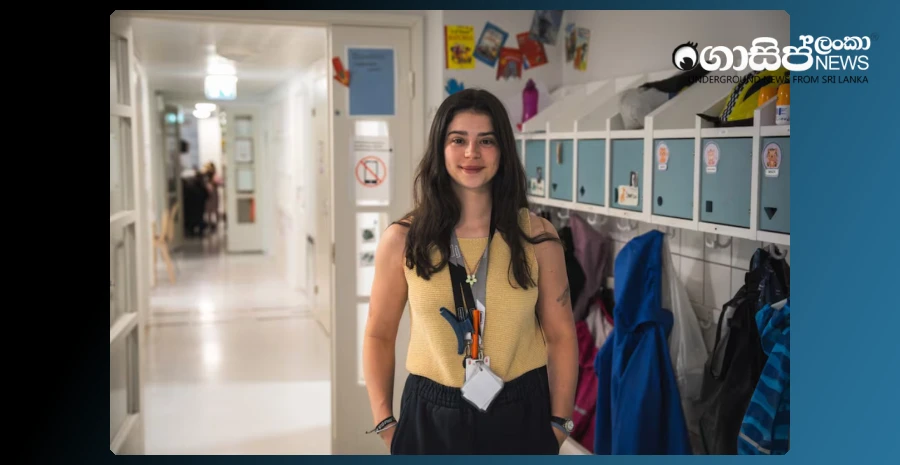
Finland, considered a pioneer in European education for the past few decades, has now launched a special program to recruit Spanish teachers for its preschool sector. The Helsinki City Council in Finland has expedited this recruitment process amidst a backdrop of Spanish preschool teachers engaging in union actions and strikes against their working conditions.
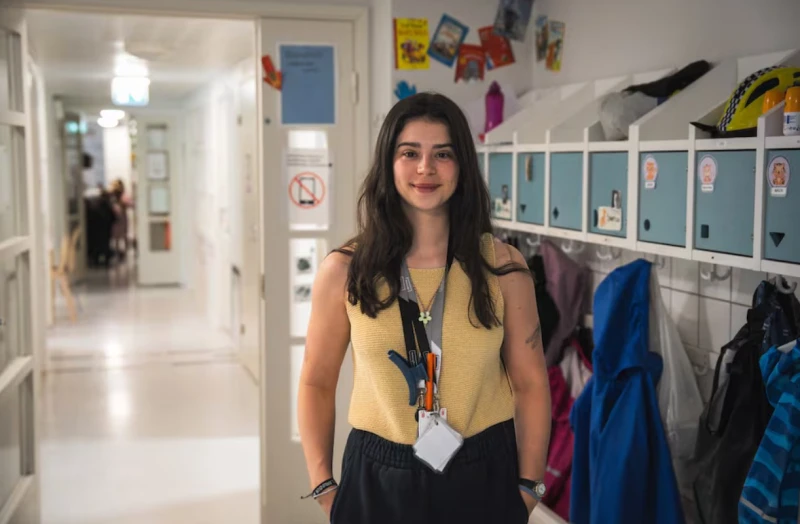
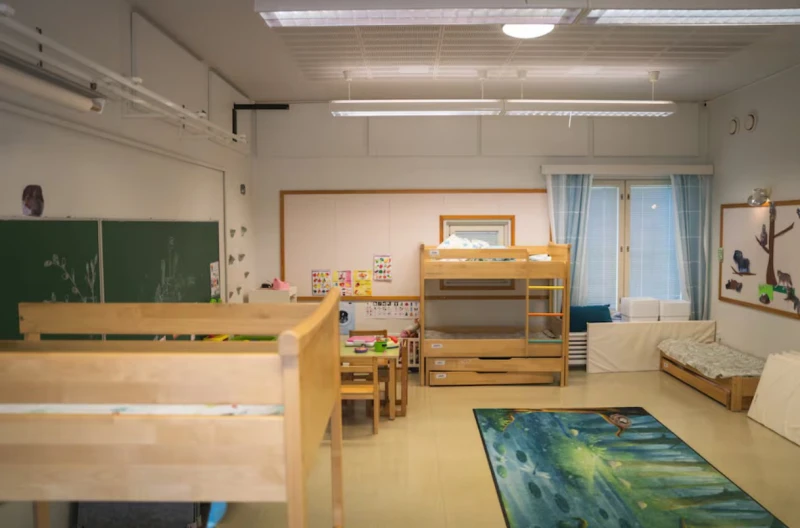
Accordingly, teachers coming there are offered permanent employment contracts, a gross monthly salary of 3,200 Euros, an additional monthly allowance of 550 Euros for cultural, sports, and welfare activities, as well as cafeteria concessions and housing facilities at a reasonable price. As the Helsinki City Council is the country's main housing provider, there is no severe housing crisis like in cities such as Madrid, Dublin, or Amsterdam, and a young teacher can obtain a house in the city center for between 700 and 800 Euros, states Marius Knight, spokesperson for the program.What has most surprised the Spanish teachers working there is the high-quality working environment in the classrooms. Mirari Chamorro, a 26-year-old who arrived in Helsinki from Bilbao last January, says that in every class at the public preschool where she works, there are three teachers for 14 children. She states that even though there is one main teacher and two assistants, they work very amicably without any bureaucratic or status gaps between them. Furthermore, since there are two children with special educational needs in her class, she also receives support from a special education teacher and a social worker. In some instances, there are up to five teachers in a class, which allows for much higher quality and personalized attention to children compared to Spain, and enables planned teaching activities.
Authorities admit that Finland, with a population of 5.6 million, does not have enough local teachers to meet the high demand for education. Accordingly, it is estimated that in Helsinki alone, with a population of nearly 700,000, there could be a shortage of 6,000 preschool teachers by 2030. The main reason for choosing Spain for these recruitments is that the educational curricula in Spanish universities mean that teachers from Spain do not need to meet additional educational qualifications to teach in Finland. Teachers coming from countries like France or Germany would have to complete additional educational units to work in Finland.
The Finnish education system shows several clear differences from the Spanish system. In Finland, preschool education operates as a single integrated stage from ages 0 to 6, whereas in Spain, it is divided into two stages (0-3 and 3-6) and managed by different institutions. The monthly salary of a private sector preschool teacher in Spain is at a minimum of 1,200 Euros, and there isn't much difference in the public sector either. Despite holding advanced university degrees, many teachers in Spain suffer from economic difficulties, and the Helsinki City Council is specifically looking for Spanish teachers with such advanced university degrees.
The main challenge of working here is learning the Finnish language. Although learning this language, which belongs to the Uralic language family and differs from Indo-European languages, is somewhat difficult, the Helsinki City Council provides free intensive language courses up to B1 level for teachers before they arrive in the country. While working, they must develop their language skills to B2 level. Pamela Valtonen, principal of the Päiväkoti Viikko public preschool, states that mastering this language requires great dedication and time, but Spanish teachers are a well-trained and highly motivated group.
Álvaro Perales, a 25-year-old teacher from Toledo, says he came here due to the good working conditions, housing facilities, and the reputation of Finnish education. However, he states that in addition to the language, adapting to the changes in daylight hours and the cultural behaviors of people there was difficult for him. When he first arrived, the sun rose at 9 AM and set at 3 PM, but now there is daylight from 3 AM until midnight. Furthermore, Finns tend not to greet when entering a room, aiming not to disturb others, which is somewhat surprising for those accustomed to Spanish culture.
Despite these experiences, Perales says he would like to settle permanently in Finland under certain conditions, but Mirari Chamorro says she cannot endure the long winter there and will return to her hometown in Spain. However, she states that this professional experience has been a great strength for her, and she will try to implement the good practices found in Finland, such as taking children to natural environments or libraries at least once a week regardless of rain or snow, and teaching without rushing, according to the children's rhythm, back in her home country.