![Gossip Lanka News [English]](https://blogger.googleusercontent.com/img/a/AVvXsEhYm2aFFq-bIW1nWX-RrqnPFoIsVos6_VCVz8BpLt0QJi55GNXHXC2fugeRvL0qUStEuCfs7Sfu6ZiSlhrkldxfGuE_wzy5gitY6rMZ2KSi8VBbGvkgXLks37RwZV-4-HKbWiNLRxB8C_r1e4z3mpxFTMPDJPEADoG8E-bZteWFipeD5KNGbjvCfqEfKw=s300 "Gossip Lanka News [English]")
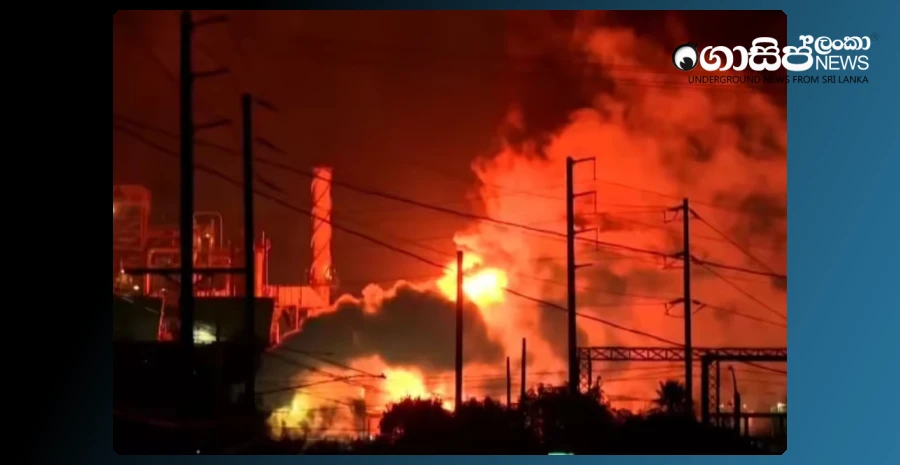
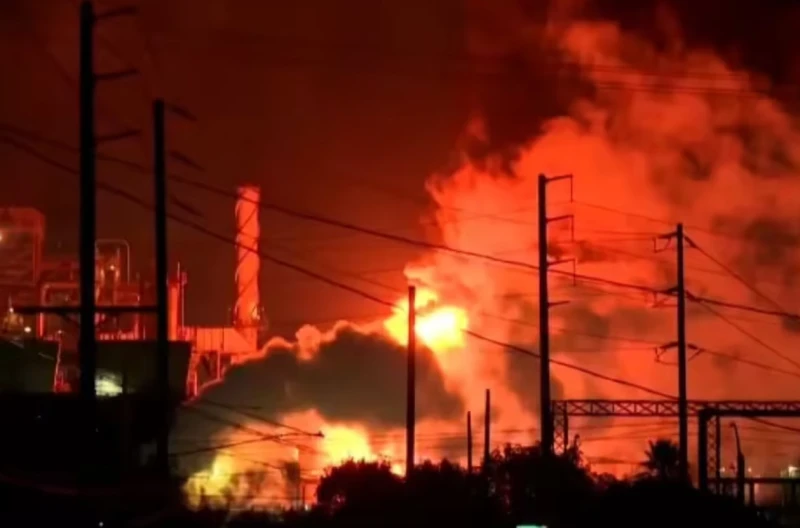
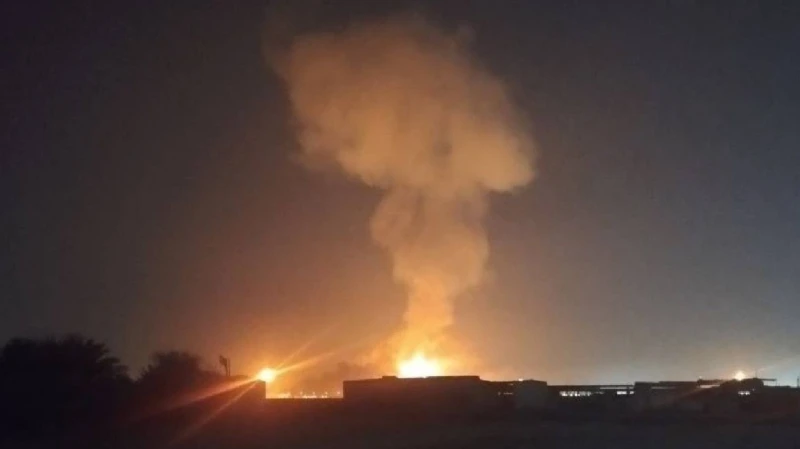
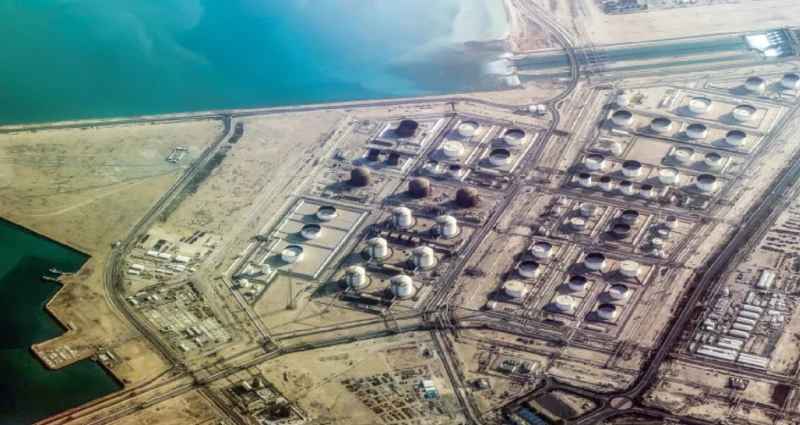
54 people were injured and 18 others went missing following a severe explosion and subsequent fire that occurred last night, Sunday the 21st, at the Barzan domestic gas supply center located in the Ras Laffan Industrial City in the State of Qatar. The incident took place around 10:00 PM local time at this facility, which is the heart of the world's largest liquefied natural gas (LNG) complex.
The intensity of the explosion was such that its shockwaves were felt not only in the capital, Doha, but also as far as the neighboring Kingdom of Bahrain. Footage showing a massive fireball and thick black smoke rising, illuminating the night sky, has also been released on social media.Qatari authorities and QatarEnergy company state that this incident was not an act of sabotage, but rather a technical or operational error that occurred during an attempt to restart a system that had been shut down. However, no gas leaks posing a threat to public safety have been reported, and security forces were able to bring the fire under control very quickly. Relief teams, including elite units of Qatar's Internal Security Force (Lekhwiya), are continuously conducting extensive search and rescue operations to find the currently missing employees.
The attempt to restart this plant comes after repairing severe damage caused by Iranian missile and drone attacks on the Ras Laffan region during widespread conflicts between Iran, America, and Israel in March 2026. Iran had severely damaged the 4th and 6th gas production systems at this Ras Laffan facility, which is part of the North Dome region shared with the State of Qatar, in retaliation for Israeli attacks on Iran's South Pars gas field. These attacks disrupted global energy supplies, forcing QatarEnergy to declare force majeure on some gas contracts.
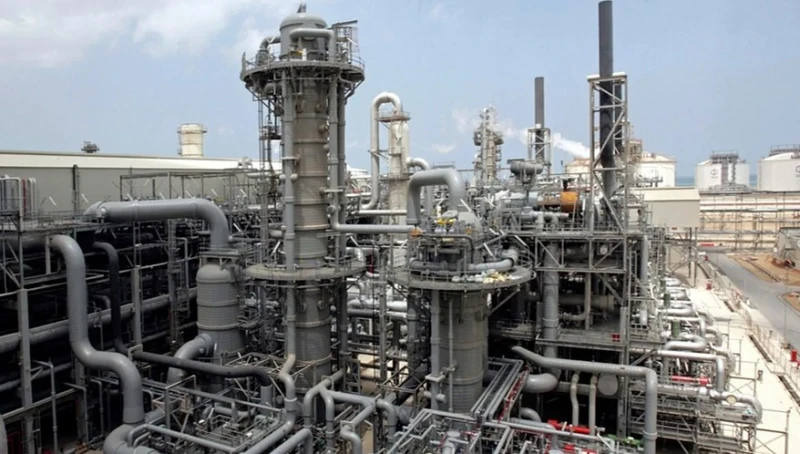
The Barzan gas plant, with a capacity of 1.4 billion standard cubic feet of gas per day, is a primary gas supplier for Qatar's domestic industries, power generation, and water desalination activities, also producing by-products such as ethane, LPG, and sulfur. As the world's second-largest exporter of liquefied natural gas, Qatar supplies approximately 20% of the global supply, meaning that such disruptions in Ras Laffan directly impact European and Asian energy markets. Although no immediate significant impact on global exports has been reported from the June 21st incident, there is a high risk of further increases in world energy prices amidst the ongoing unrest in the Strait of Hormuz if the plant's restoration is further delayed.
This latest incident has raised serious questions about worker safety in high-risk industrial zones, the efficiency of emergency response, and the procedures to be followed when restarting plants after attacks. Since the majority of the injured and missing employees are likely foreign workers, this is a matter that will severely impact the State of Qatar both humanely and economically. Ensuring the security of such critical energy infrastructure and constantly monitoring environmental emissions in the face of geopolitical instability in the Middle East will be extremely crucial for the stability of Qatar's economy in the future.