![Gossip Lanka News [English]](https://blogger.googleusercontent.com/img/a/AVvXsEhYm2aFFq-bIW1nWX-RrqnPFoIsVos6_VCVz8BpLt0QJi55GNXHXC2fugeRvL0qUStEuCfs7Sfu6ZiSlhrkldxfGuE_wzy5gitY6rMZ2KSi8VBbGvkgXLks37RwZV-4-HKbWiNLRxB8C_r1e4z3mpxFTMPDJPEADoG8E-bZteWFipeD5KNGbjvCfqEfKw=s300 "Gossip Lanka News [English]")
The diplomatic conflict that has arisen among world powers in the face of the Iran-American and Israeli war, which began on February 28, 2026, has now created a severe crisis within the United Nations Security Council. A series of proposals put forward to take security measures to minimize the impact on world trade following Iran's decision to close the Strait of Hormuz has been blocked by Russia, China, and France, either by using their veto power or by expressing their opposition.
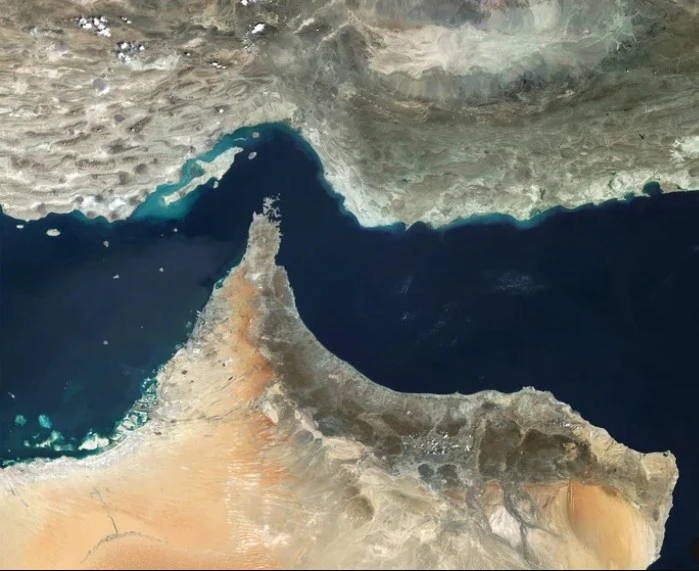
Although Bahrain, holding the rotating presidency of the United Nations Security Council, presented this series of proposals with the support of Gulf Arab countries and America, with the aim of protecting international shipping lanes, the effort has failed due to disagreements among the five permanent members of the Security Council.The closure of the Strait of Hormuz, through which over 20 percent of the world's oil and petroleum products are transported, has put the global energy sector in grave danger, and satellite data confirms that maritime traffic in the region has fallen by approximately 86 percent since late February. The Iranian military blocked this strait in response to attacks launched by America and Israel against Iran, which has led to crude oil prices increasing more than tenfold and rising maritime insurance costs, severely impacting the entire global economy. In retaliation, Iran launched counter-attacks against states in the Gulf region where American bases are located, resulting in the deaths of 18 civilians and damage to numerous infrastructure facilities, including airports and ports.
To alleviate this crisis, Bahrain presented various proposals from early March, and Russia and China abstained from voting on the resolution passed on March 11, condemning Iran's actions. However, Russia, China, and France expressed strong opposition to the latest draft resolution, which sought authorization to take "all necessary security measures" to secure maritime navigation, stating that such actions could further escalate the war. Foreign media reports indicate that the military situation in the Middle East continues to become more complex as these countries did not change their stance leading up to the crucial vote scheduled for April 7, 2026.
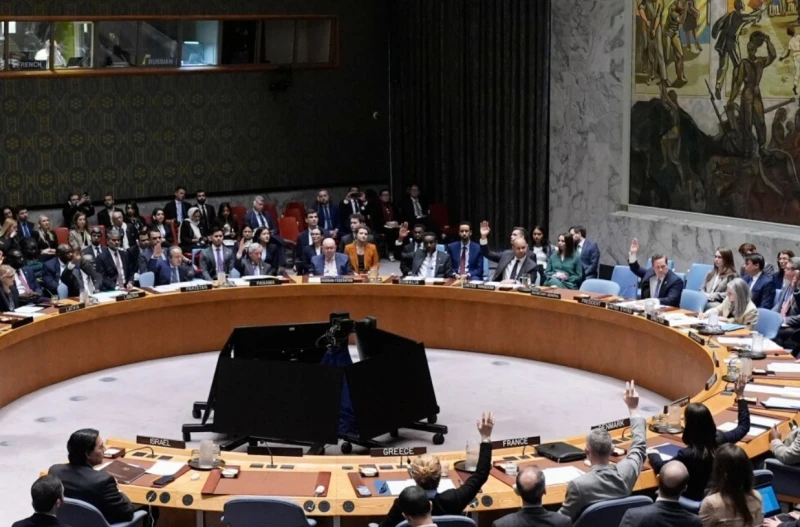
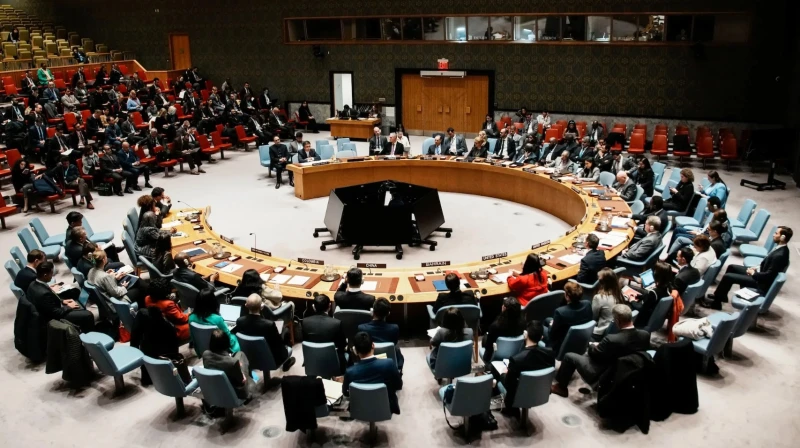
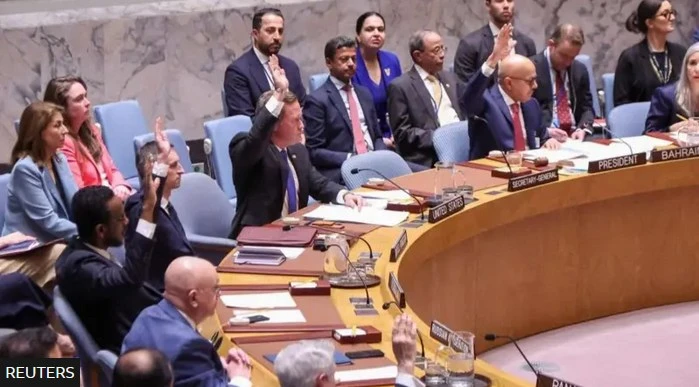
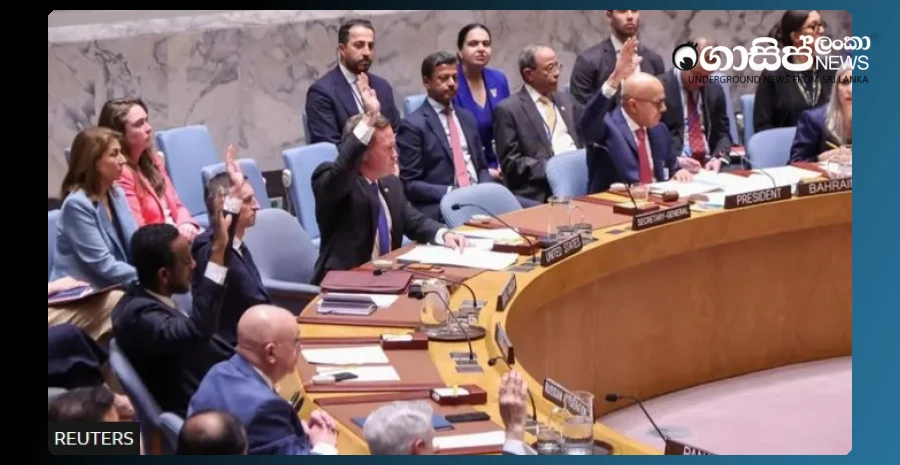
On April 7, amidst the ongoing military situation between America, Israel, and Iran, Russia and China vetoed the United Nations Security Council resolution initiated by Bahrain, which sought authorization for "security measures" and the deployment of a multinational naval force to reopen the Strait of Hormuz. This "double veto," occurring amidst France's opposition, led to the rejection of the draft resolution, clearly demonstrating the deep division among the five permanent members of the Security Council.
Among the main reasons officially put forward by Russia and China for opposing this resolution were their principled objection to authorizing the use of force and the necessity of an immediate ceasefire. Both countries pointed out that their decision was not merely a show of support for Iran but rather a defense of the principles of the United Nations Charter against the arbitrary use of force without full consensus. Furthermore, they indicated that the attacks launched by America and Israel against Iran since February 28 were the root cause of the situation, warning that ignoring this fundamental issue through the resolution would further escalate the crisis.
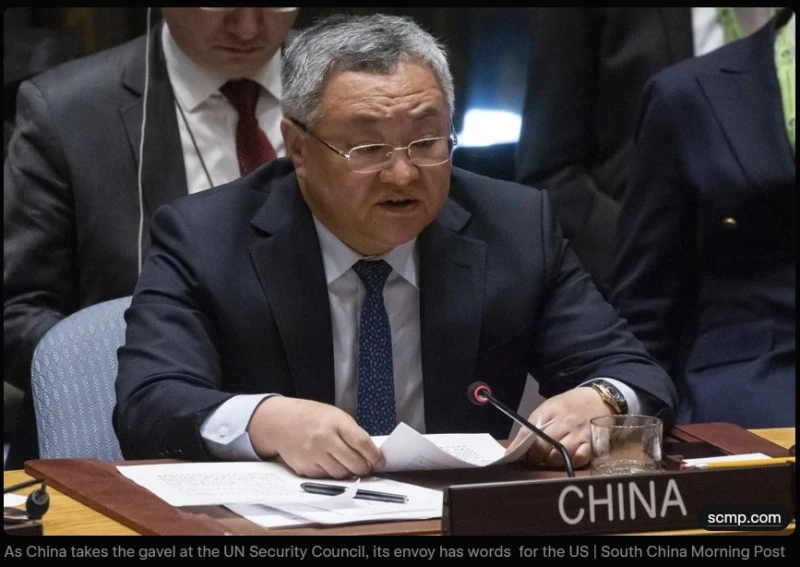
Commenting on the situation, Chinese Ambassador to the United Nations Fu Cong stated before the vote that authorizing member states to use force would legitimize the illegal and arbitrary use of force. He pointed out that this would inevitably lead to further escalation of the situation and serious consequences. Although China does not approve of Iran's attacks against Gulf Cooperation Council (GCC) countries and civilians, the Chinese Ambassador emphasized that the security of shipping lanes should not be forcibly disrupted, and that the root cause of the crisis in this strait is the attacks launched by America and Israel against Iran. Therefore, he further stated that the Security Council must act very cautiously, and that an immediate ceasefire and a political solution are fundamental necessities.
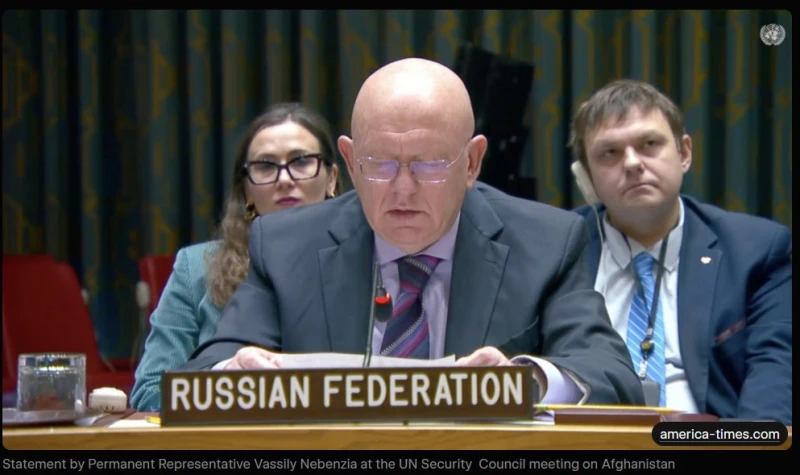
Russian Ambassador Vassily Nebenzia commented on this, stating that the proposed naval operations would not solve the problem, and the only way forward is to end hostilities. As Russia sees it, the closure of the Strait of Hormuz is a "direct consequence" of the Iran war, and therefore, military actions must be immediately stopped, and "politics and diplomacy" must be revisited to resolve the fundamental issues. Further confirming this stance, during a phone conversation on April 5 between Russian Foreign Minister Sergei Lavrov and Chinese Foreign Minister Wang Yi, both countries agreed to uphold fairness on principled matters and adopt an objective and balanced approach within the Security Council. China pledged to continue cooperating with Russia within the United Nations to de-escalate the situation in the Middle East, and the joint conclusion of both foreign ministers was that a ceasefire is the "fundamental way" to resolve the Hormuz maritime traffic issue.