![Gossip Lanka News [English]](https://blogger.googleusercontent.com/img/a/AVvXsEhYm2aFFq-bIW1nWX-RrqnPFoIsVos6_VCVz8BpLt0QJi55GNXHXC2fugeRvL0qUStEuCfs7Sfu6ZiSlhrkldxfGuE_wzy5gitY6rMZ2KSi8VBbGvkgXLks37RwZV-4-HKbWiNLRxB8C_r1e4z3mpxFTMPDJPEADoG8E-bZteWFipeD5KNGbjvCfqEfKw=s300 "Gossip Lanka News [English]")
US President Donald Trump has issued a stern ultimatum to Iran, giving them until 8 PM on April 7th to fully open the Strait of Hormuz, warning of devastating attacks targeting power plants and bridges if they fail to comply. He highlighted this as the last chance to end Iran's nuclear ambitions and economic influence, stating that if an agreement is not reached, an entire civilization will die tonight.
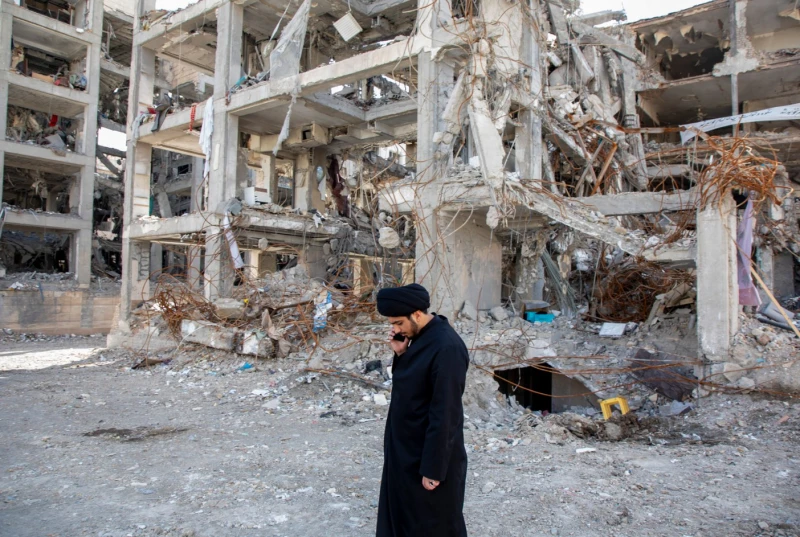
Amidst Israeli Prime Minister Benjamin Netanyahu's demand for nothing less than complete surrender, Iranian First Vice President Mohammad Reza Aref rejected these threats and pledged to stand firm on national strength. However, the American Democratic Party (Democrats) strongly condemned these statements as malicious and potential war crimes.By dawn on April 7th, Israeli forces had launched airstrikes on eight sections of bridges across the cities of Tehran, Karaj, Tabriz, Kashan, and Qom, as well as a railway bridge in Kashan, which are allegedly used by the Islamic Revolutionary Guard Corps (IRGC) for arms transportation. Concurrently, US forces also attacked military targets on Kharg Island, Iran's main oil export terminal, with the aim of forcing the opening of the Strait of Hormuz, through which 20% of the world's oil supply passes. These attacks also caused severe damage to Sharif University of Technology, the largest petrochemical laboratory in Asaluyeh, the Pardis region in northern Iran, a residential building in Tehran, and the nearby Rafi-Nia Synagogue. Former Iranian Minister Abbas Akhoundi stated that targeting civilian and educational sites is a clear war crime, and Iranian authorities urged the public to form human chains to protect power plants.
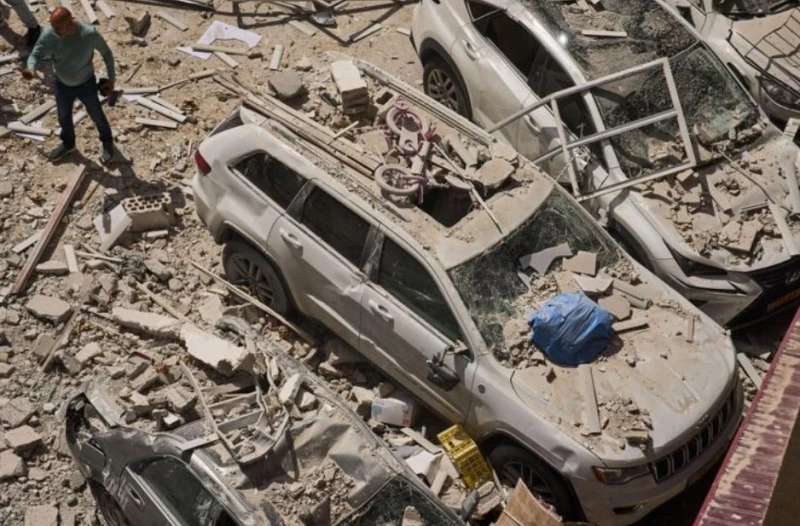
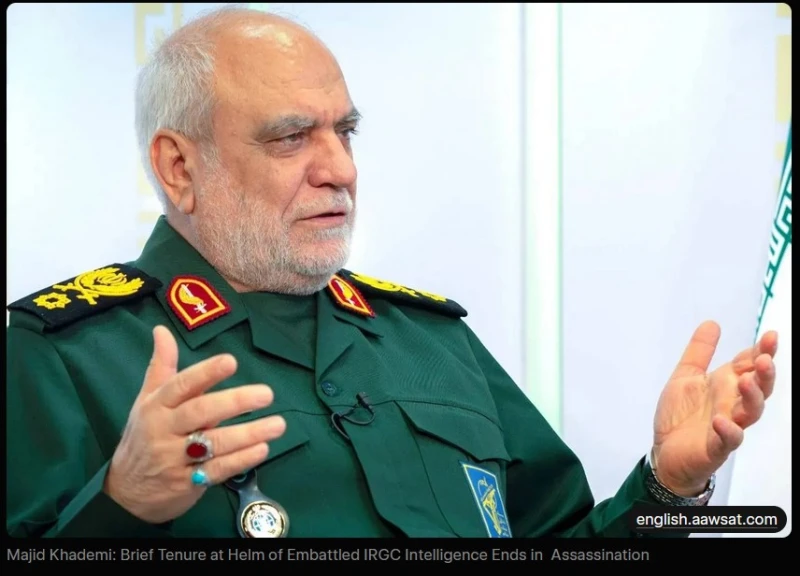
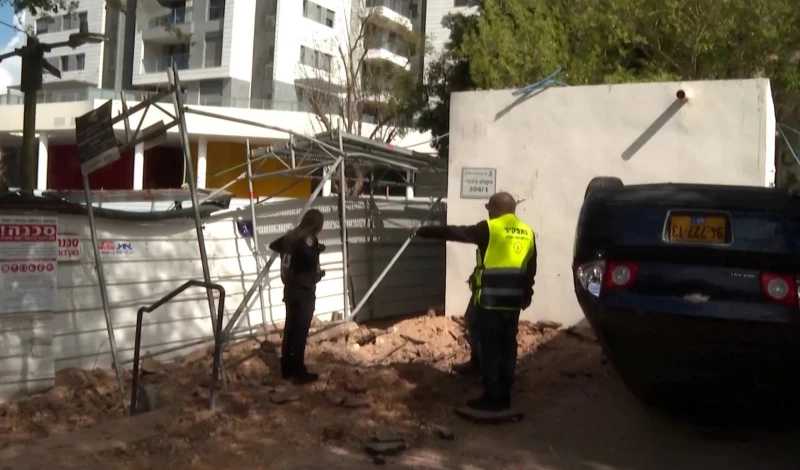
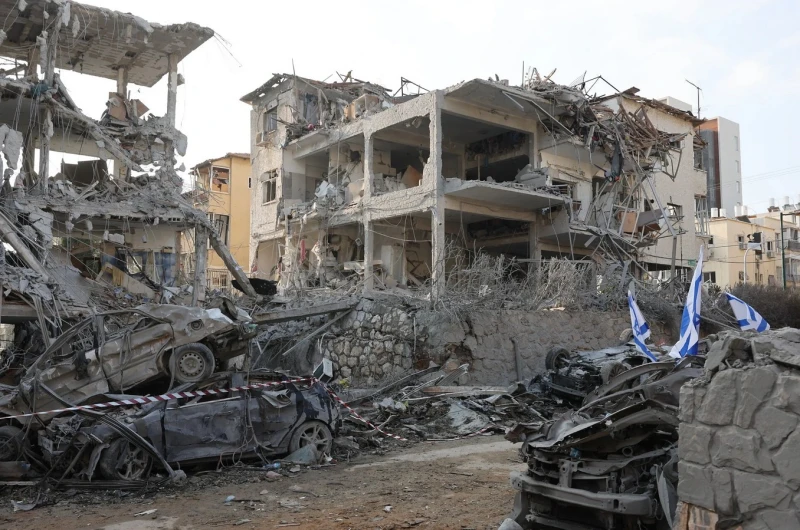
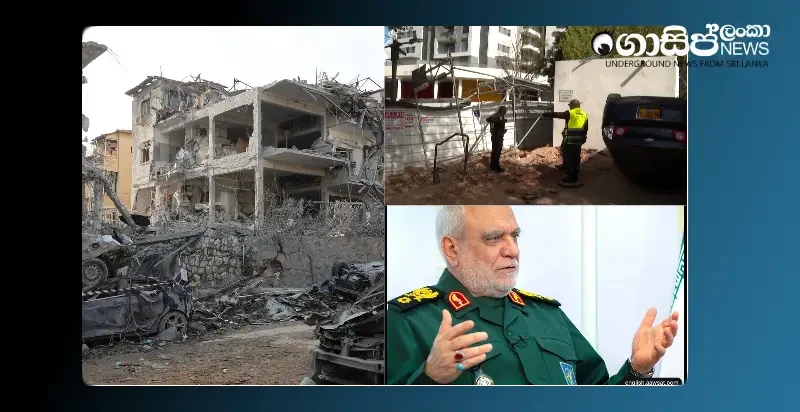
Amidst these massive airstrikes, Israel confirmed that Majid Kademi, head of intelligence for the Islamic Revolutionary Guard Corps, was killed in a targeted attack, and pledged to eliminate Iranian leaders one by one. This assassination was a massive blow to Iranian intelligence, and in response, Iran launched a wave of ballistic missile and drone attacks towards central Israel. Warning sirens sounded in areas like Ramat HaSharon in the Tel Aviv district, and Israeli media reported damage to a five-story building in Haifa, as well as numerous roads and vehicles. Although Israeli defense systems destroyed most missiles, some missiles carrying cluster munitions caused significant destruction.
This conflict is further escalating regionally through the Axis of Resistance, with Iranian drones launching 17 attacks on a government office complex in Kuwait and also targeting the Jubail petrochemical plant in Saudi Arabia. The Pakistani Prime Minister condemned the Jubail attack and praised Saudi Arabia's restraint. Meanwhile, China vetoed a UN Security Council resolution concerning the security of the Strait of Hormuz, and as Bahrain called for the strait to be opened, the US ordered its citizens there to remain in safe locations. There is a severe risk of nuclear or environmental crises and power grid collapse in areas like Bushehr, and attacks on civilian infrastructure, including residential areas, hospitals, and universities, have resulted in more than five deaths and several injuries. The war situation has created significant instability in the global energy market, especially in Brent crude oil prices (Brent backwardation), and although Iran released two French nationals and France released one Iranian national under a prisoner exchange program, there is no sign of a full ceasefire as the American ultimatum approaches.