![Gossip Lanka News [English]](https://blogger.googleusercontent.com/img/a/AVvXsEhYm2aFFq-bIW1nWX-RrqnPFoIsVos6_VCVz8BpLt0QJi55GNXHXC2fugeRvL0qUStEuCfs7Sfu6ZiSlhrkldxfGuE_wzy5gitY6rMZ2KSi8VBbGvkgXLks37RwZV-4-HKbWiNLRxB8C_r1e4z3mpxFTMPDJPEADoG8E-bZteWFipeD5KNGbjvCfqEfKw=s300 "Gossip Lanka News [English]")
Critics point out that Iran's attacks on other Muslim-majority countries are primarily driven by geopolitical and security objectives rather than simple religious hatred. Specifically, the Sunni-Shia sectarian division in the Middle East, the regional power struggle, and the confrontational situation with the United States and its Gulf allies have determined the nature of this crisis.
While the Shia-Sunni sectarian division appears to be a major factor in this situation, it is not the fundamental cause of the current crisis. Shia-majority Iran considers itself the leader of the Shia community, while Gulf countries like Saudi Arabia, the United Arab Emirates, Bahrain, and Kuwait are Sunni-ruled states. Historically, the support Iran provides to Shia groups such as Hezbollah in Lebanon, Shia armed groups in Iraq, and the Houthis in Yemen is seen by Gulf states as an attempt to expand Iranian influence in the region. However, Iran attacks these countries not merely because they are Sunni Muslims, but because it perceives them as political and military threats aligned with its adversaries.
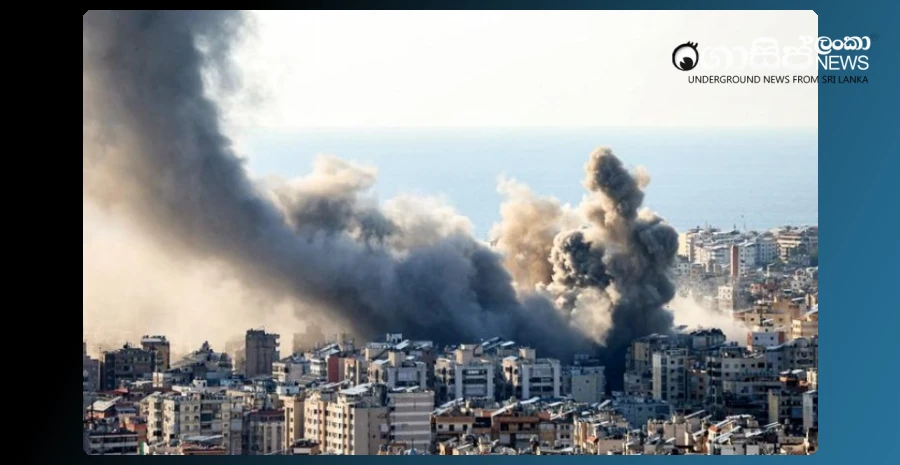
A primary reason for the current series of attacks is the strong alliance between the United States and these Gulf states. Many Gulf Arab countries host American military bases, which Iran views as a serious threat. Specifically, as a response to the war that began with the attack on Iran by the US and Israel on February 28, 2026, Iran has been launching missile and drone attacks on countries such as Saudi Arabia, the United Arab Emirates, Qatar, Bahrain, Kuwait, and Oman, where American bases are located, as well as on American targets within them.
By attacking these American allied countries, Iran aims to exert strong pressure against American and Israeli attacks. These bases are easily targetable by Iranian missiles, and Iran also seeks to increase the cost of the war by disrupting the region's economy and energy supply. Furthermore, their strategy has been to involve more countries, preventing this conflict from being solely between Iran and the US or Israel. Iran's cooperation with Sunni groups like Hamas in Palestine when necessary, as well as its attack on Sunni-majority Pakistan in 2024 due to a border issue rather than religious reasons, demonstrates that their true objective is political, not religious.
Experts point to this as purely a geopolitical power struggle. While Iran strives to become a regional power, the Gulf states and the US seek to contain Iranian influence. They use these attacks and proxy groups to demonstrate that any war with Iran would severely impact the entire Middle East region. Although the 1400-year-old Sunni and Shia sectarian ideologies are used by both sides as a propaganda tool to gain public support, it is clear that in real decision-making, the primary factors are not religion but power, oil resources, and political alliances. It is evident that without the alliance with the United States, Iran would not be attacking these Gulf states at this moment.