![Gossip Lanka News [English]](https://blogger.googleusercontent.com/img/a/AVvXsEhYm2aFFq-bIW1nWX-RrqnPFoIsVos6_VCVz8BpLt0QJi55GNXHXC2fugeRvL0qUStEuCfs7Sfu6ZiSlhrkldxfGuE_wzy5gitY6rMZ2KSi8VBbGvkgXLks37RwZV-4-HKbWiNLRxB8C_r1e4z3mpxFTMPDJPEADoG8E-bZteWFipeD5KNGbjvCfqEfKw=s300 "Gossip Lanka News [English]")
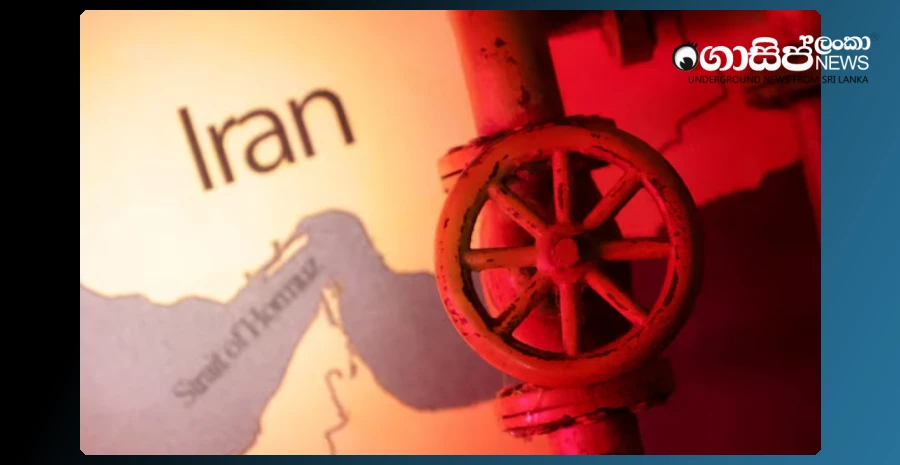
Amidst the escalating Iranian crisis and disruptions to shipping in the Strait of Hormuz, Asian governments and oil refining companies are urgently focusing on their oil reserves and alternative supply routes, Reuters reports. Global crude oil prices are expected to rise significantly when trading resumes on Monday.
Any disruption to Middle Eastern oil supplies will have the most severe impact on the Asian region. The main reason for this is that two-thirds of the crude oil required by Asia is imported from the Gulf region. China, the world's leading oil importer, obtains half of its supply from this region, and Japan obtains ninety percent of its supply from here. Approximately twenty percent of the world's daily oil consumption is transported through the Strait of Hormuz, located between Oman and Iran, on an average day, including production from countries such as Saudi Arabia, Iraq, the United Arab Emirates, Kuwait, and Qatar.
Several Japanese shipping companies have already taken steps to suspend their operations around the Strait of Hormuz. However, Japan's Chief Cabinet Secretary Minoru Kihara stated that there have been no reports of an immediate impact on Japan's oil supply so far. Meanwhile, India's state-owned oil refining companies, India being the world's second-largest oil importer, have already begun searching for alternative suppliers. Officials have confirmed that India, which had increased imports from the Middle East instead of Russian crude oil, has sufficient crude oil and liquefied petroleum gas reserves for the next twenty days.
According to market analysts, since oil infrastructure has not yet been damaged and OPEC+ countries are expected to increase production, the rise in prices will be somewhat controlled in the future. The main challenge currently facing the industry is not a blockade of the sea route, but rather the slowdown of shipping through the Strait of Hormuz due to the risky situation concerning insurance. For this reason, several major tanker owners and trading companies have temporarily suspended the transport of crude oil, fuel, and liquefied natural gas through the affected sea lane.
Following a special emergency discussion, the South Korean government also announced that it would take steps to release government oil reserves to domestic industries if supply disruptions persist long-term. The country has sufficient oil reserves for seven months, and they are also prepared to obtain emergency supplies from within the Asian region if the Strait of Hormuz is closed. Meanwhile, it is reported that China has managed to significantly increase its crude oil reserves over the past few months. Taiwan's Ministry of Economic Affairs states that as oil and gas imports from the Middle East have been reduced annually, their oil and liquefied natural gas supply operations are proceeding as planned without any disruptions.
(Based on a Reuters report)