![Gossip Lanka News [English]](https://blogger.googleusercontent.com/img/a/AVvXsEhYm2aFFq-bIW1nWX-RrqnPFoIsVos6_VCVz8BpLt0QJi55GNXHXC2fugeRvL0qUStEuCfs7Sfu6ZiSlhrkldxfGuE_wzy5gitY6rMZ2KSi8VBbGvkgXLks37RwZV-4-HKbWiNLRxB8C_r1e4z3mpxFTMPDJPEADoG8E-bZteWFipeD5KNGbjvCfqEfKw=s300 "Gossip Lanka News [English]")
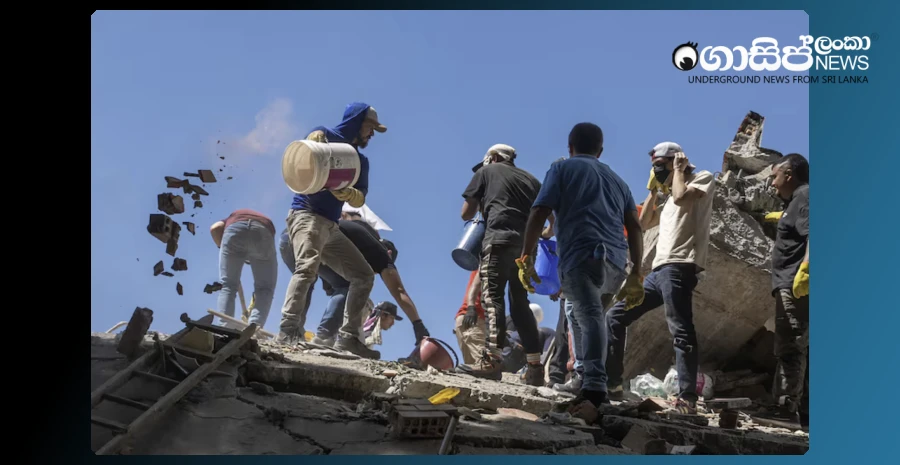
A devastating earthquake with a magnitude of 7.4 on the Richter scale occurred on August 10, 2026, at approximately 07:34 AM, shaking the western region of Colombia.
At least 111 people have died and more than 87 have been injured in this sudden disaster. This event has been identified by the country's geological authorities as the most powerful earthquake reported in Colombia in the 21st century.The epicenter of this earthquake, which originated at a moderate depth between 96 and 110 kilometers below the Earth's surface, was located near the town of San José del Palmar in the Chocó department, approximately 400 kilometers west of the capital city, Bogotá. This intense tremor, lasting nearly two minutes, was strongly felt throughout Colombia as well as in neighboring countries such as Venezuela, Ecuador, and Panama. More than 20 aftershocks, including some with a magnitude of approximately 5.0 on the Richter scale, were reported within an hour after the main shock; however, due to its deep origin, there was no tsunami threat.
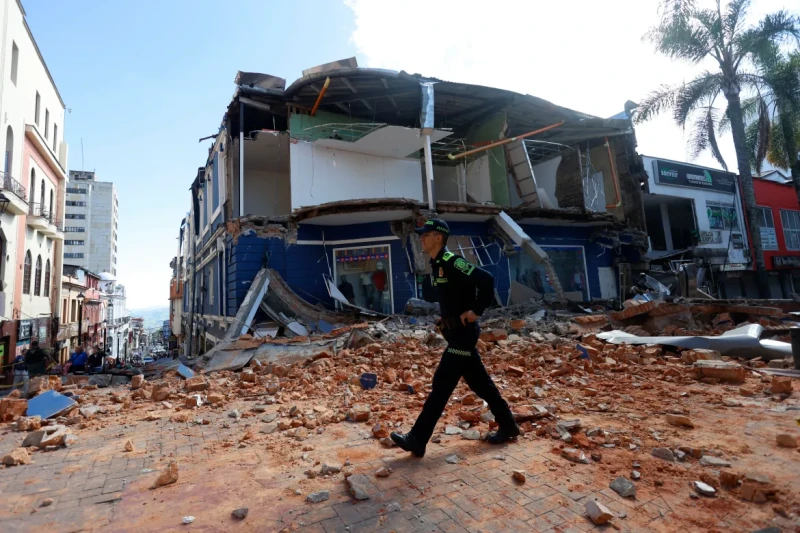
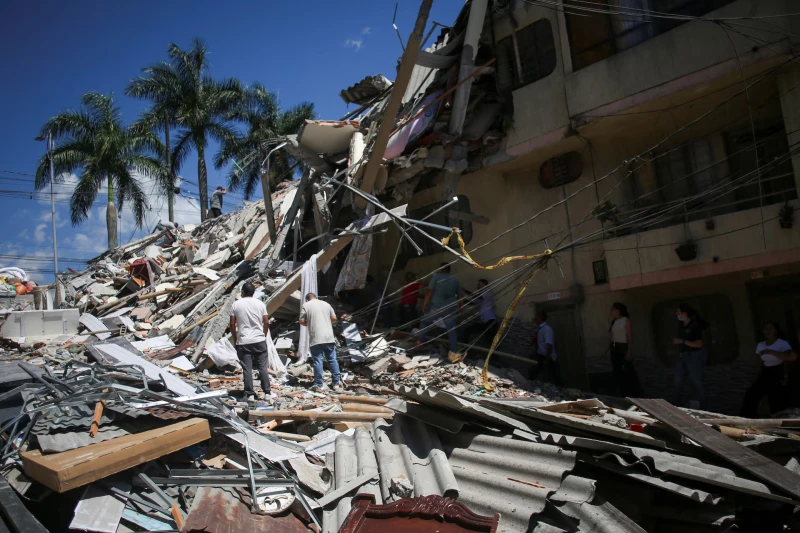
According to the geological background, the immense pressure created by the oceanic Nazca plate pushing towards the South American plate in this region, part of the Pacific Ring of Fire, is periodically released in this manner. As this powerful earthquake originated deep within the Earth, its seismic waves spread over a wide area, causing severe damage to many old buildings that were not built to withstand such forces.
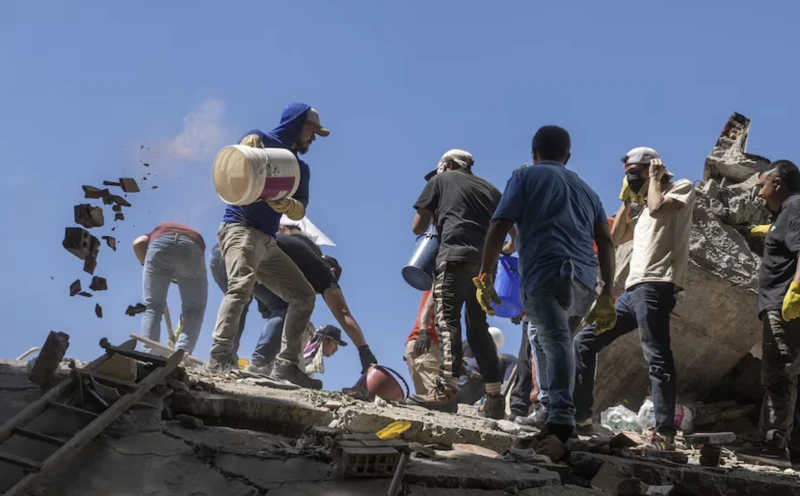
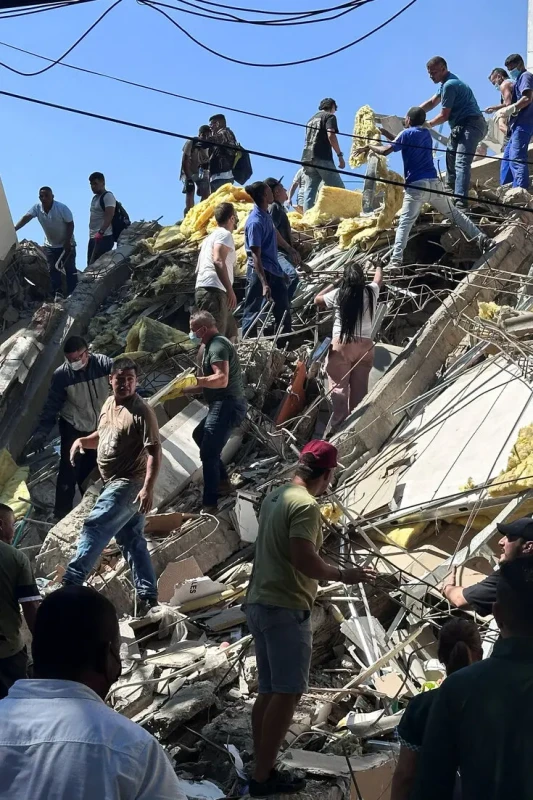
The coffee-growing Risaralda region and the Valle del Cauca province have been the most severely affected by this natural disaster. In Pereira, Risaralda alone, more than 40 people have died, and Matecaña International Airport was also damaged. In Cali, over 20 buildings completely collapsed, trapping people in the rubble, and a tower of the historic Catholic cathedral in Manizales suffered severe damage when it collapsed.
Colombian President Abelardo De La Espriella, who had only been in office for a few days when the natural disaster struck, declared a national state of emergency in the country. The President stated that rescuing those trapped in the rubble was the first priority and took immediate steps to release the necessary state funds for relief services and reconstruction. Across the country, more than 1,575 homes, 52 schools, and 18 health centers were destroyed or damaged, and operations at several major airports were suspended.
The disruption of electricity and communication systems in many cities hampered relief operations, but rescue workers, firefighters, the Red Cross, and local residents are continuously working together to rescue those trapped in the rubble.