![Gossip Lanka News [English]](https://blogger.googleusercontent.com/img/a/AVvXsEhYm2aFFq-bIW1nWX-RrqnPFoIsVos6_VCVz8BpLt0QJi55GNXHXC2fugeRvL0qUStEuCfs7Sfu6ZiSlhrkldxfGuE_wzy5gitY6rMZ2KSi8VBbGvkgXLks37RwZV-4-HKbWiNLRxB8C_r1e4z3mpxFTMPDJPEADoG8E-bZteWFipeD5KNGbjvCfqEfKw=s300 "Gossip Lanka News [English]")
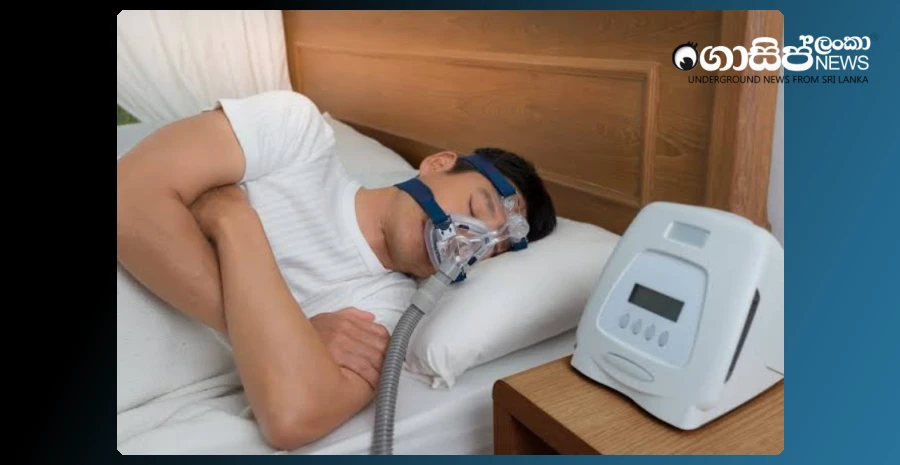
Sleep apnea, a severe health problem that occurs during sleep, is a condition where a person's breathing repeatedly stops and restarts while they are asleep. This causes the oxygen level in the body to drop, completely depriving the individual of the opportunity to get a comfortable and deep sleep.
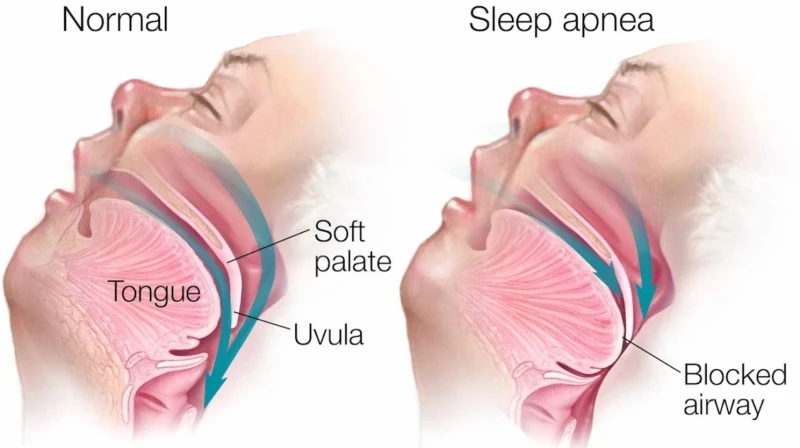
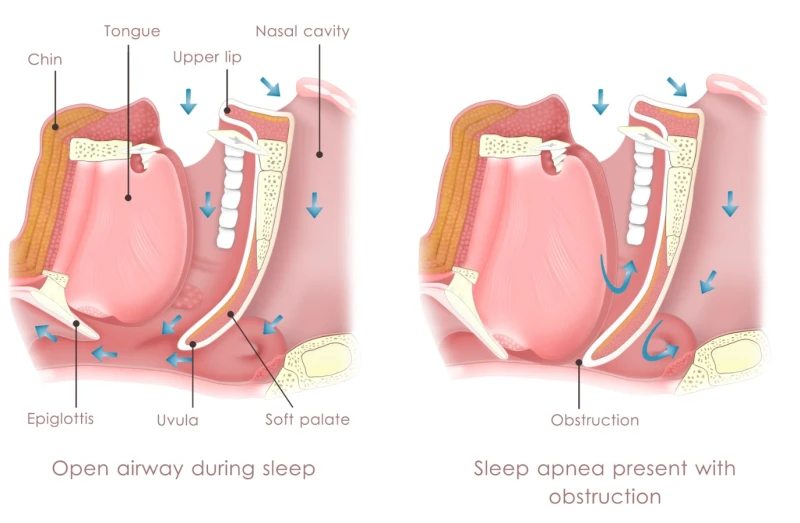
Here, breathing pauses (Apneas) or shallow breathing instances (Hypopneas) lasting 10 seconds or more can occur dozens or even hundreds of times in a single night.This condition can be seen in three main forms, with Obstructive Sleep Apnea (OSA) being the most commonly reported. In OSA, the throat muscles relax excessively, causing tissues like the tongue and soft palate to collapse and block the airway, hindering airflow even when attempting to breathe. Additionally, Central Sleep Apnea (CSA), caused by the brain failing to send proper signals to the breathing muscles, is associated with conditions such as heart attacks, strokes, or opioid use. The third type is Complex or Mixed Sleep Apnea, which is a combination of both these conditions.
The symptoms of sleep apnea are often more apparent to the sleeping partner than to the patient themselves. Excessive and continuous snoring, choking or gasping for air during sleep, and excessive daytime sleepiness and fatigue are the primary symptoms. Furthermore, morning headaches, dry mouth and throat, difficulty concentrating, irritability, mood swings, and high blood pressure are other symptoms. It is estimated that 80% to 90% of patients live without a proper diagnosis due to a lack of awareness about this condition.
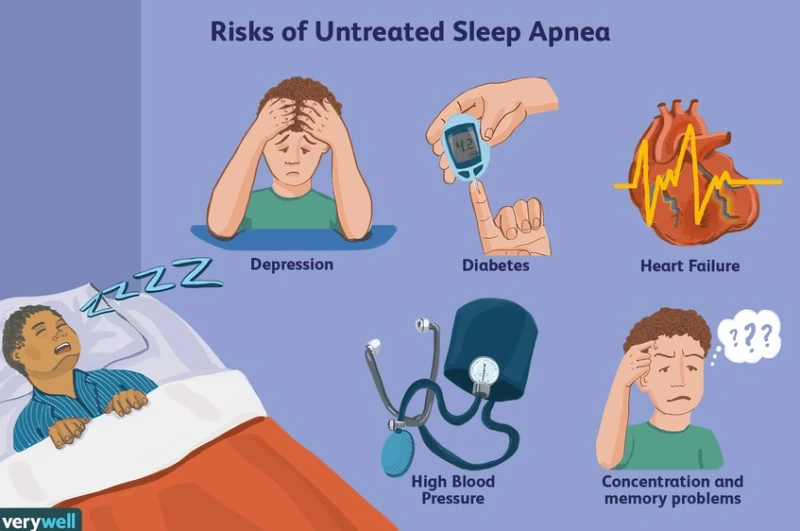
This disease, which affects millions worldwide, increases with age and obesity. According to data from the United States, 25% to 30% of middle-aged men and 9% to 17% of women are affected. The prevalence is particularly high among Hispanic, Black, and Asian populations. If not properly managed, this disease can lead to serious complications such as high blood pressure, heart disease, stroke, type 2 diabetes, Metabolic Syndrome, depression, and memory impairment, and the risk of fatal accidents due to uncontrolled sleepiness also increases. Not only adults, but children can also develop this condition due to enlarged tonsils, resulting in problems such as bedwetting and impaired academic performance.
One of the main factors contributing to this condition is overweight or obesity, which leads to fat deposition around the airway. Physical structures such as enlarged tonsil tissue, a small jaw structure, a neck circumference greater than 17 inches in men and 16 inches in women, as well as genetic influence, also contribute. Additionally, lifestyle factors like alcohol consumption, use of sleeping pills, and smoking can relax throat muscles and cause airway swelling, while medical conditions such as hypothyroidism and acromegaly can also lead to it.
For diagnosis, a sleep study called 'Polysomnography' is used, which can be performed in a laboratory or at home. The condition is categorized based on the 'Apnea-Hypopnea Index' (AHI), which measures the number of breathing disturbances per hour. If the value is between 5 and 14, it is considered mild; if between 15 and 29, it is moderate; and if greater than 30, it is identified as a severe condition.
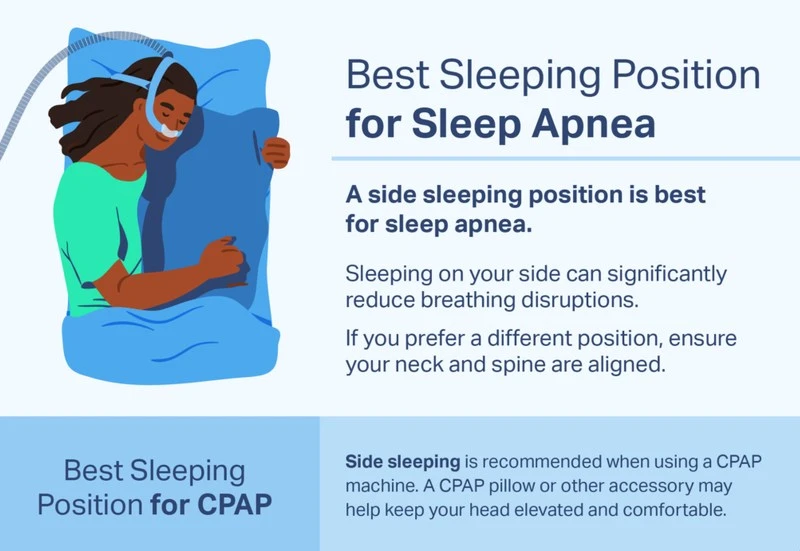
Mild and moderate obstructive sleep apnea can be completely cured or the risk reduced through healthy lifestyle changes. Losing even a small amount, such as 10% of body weight, reduces fat deposited in the airway and significantly controls symptoms, while regular aerobic and strength-building exercises enhance muscle strength. Sleeping on your side instead of on your back can help keep the airway open, and specialized pillows or devices can be used for this purpose. Furthermore, avoiding alcohol, caffeine, and sleeping pills before bed, quitting smoking, treating nasal congestion and allergies, and practicing proper sleep hygiene are extremely important.
Considering medical treatment methods, the 'CPAP' (Continuous Positive Airway Pressure) machine, which delivers continuous air pressure through a mask to keep the airway open, is the most globally recognized successful treatment. Additionally, oral appliances that push the jaw and tongue forward, surgeries such as the removal of enlarged tonsils, and exercises that strengthen the tongue and throat muscles are also used for this purpose. To overcome this condition, which directly impacts individual productivity, family relationships, and public safety, it is essential not to make self-decisions but to consult a doctor or a sleep specialist for proper advice and examinations.
(Source: BBC)