![Gossip Lanka News [English]](https://blogger.googleusercontent.com/img/a/AVvXsEhYm2aFFq-bIW1nWX-RrqnPFoIsVos6_VCVz8BpLt0QJi55GNXHXC2fugeRvL0qUStEuCfs7Sfu6ZiSlhrkldxfGuE_wzy5gitY6rMZ2KSi8VBbGvkgXLks37RwZV-4-HKbWiNLRxB8C_r1e4z3mpxFTMPDJPEADoG8E-bZteWFipeD5KNGbjvCfqEfKw=s300 "Gossip Lanka News [English]")
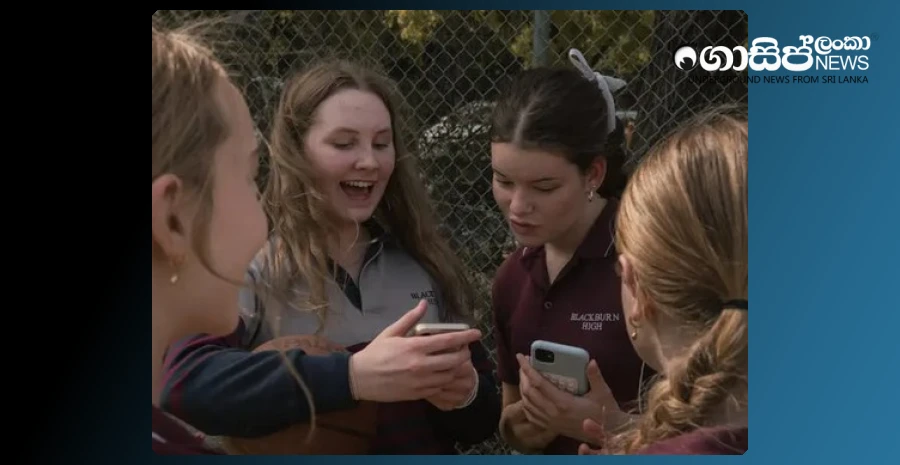
Australian Prime Minister Anthony Albanese has stated that laws will be strengthened to reinforce the social media ban for children under 16 in Australia and to successfully face any future legal challenges. Although six months have passed since this historic ban was implemented, evidence suggests there has been no significant reduction in children's social media use, prompting the government to prepare for strict legal action against the relevant social media companies.
This world-first trial launched by Australia has garnered significant attention from many other countries concerned about the mental and physical health of their youth. Britain is also currently planning to impose a similar ban, aiming for stricter restrictions than Australia by including gaming and live-streaming platforms. The existing laws of the Australian government primarily aim to prevent children under 16 from opening accounts on major social media networks such as Instagram (owned by Meta) and YouTube (owned by Google).
Various studies have revealed that children easily circumvent age verification methods introduced by tech companies, such as taking selfie photos, and in many cases, relevant websites do not even request age verification from them. Speaking with the Australian Broadcasting Corporation, the Prime Minister emphasized that the government's primary goal is to strengthen existing regulations to withstand any legal challenge. The government is focusing on granting the necessary powers to the country's internet regulatory body, the 'eSafety' Commissioner, but neither the government nor the regulatory body has yet disclosed detailed information about the next steps to be taken.
Australian Communications Minister Anika Wells and the eSafety Commissioner are preparing to take legal action against five major social media companies that have consistently failed to properly implement legal provisions, with offending companies facing severe fines of up to AUD 49.5 million (USD 34 million). Meanwhile, Reddit, a well-known messaging website, has filed a lawsuit against this ban in Australia's highest court, citing freedom of speech, and the government has stated its readiness to successfully face the case.
Although tech companies reported closing millions of fake accounts in the initial period after the ban was imposed last December, parents and research reports indicate that no real change has occurred in children's social media use. According to a recent study published in the British Medical Journal, three months after the ban, 85% of Australian children aged 12 to 15 are still secretly using social media. The report states that two-thirds of children illegally using social media have deceived systems by claiming to be over 16 or by submitting fake selfie photos. These data align with figures released by the eSafety Commissioner last March, which showed that one-third of children under 16 are still actively present on social media networks.
Experts on youth social media use say that it is normal for social media companies, parents, and children to take some transition time to adapt to the new rules. Professor Susan Sawyer, an adolescent health expert at the University of Melbourne and an advisor to the eSafety Commissioner, states that parents are now more attentive to their children's internet use because excessive social media use negatively impacts children's mental health. She further stated that societal opinions on the appropriate age to give a child a mobile phone are gradually changing, and parents are now having serious conversations with her that no one paid attention to six months ago.