![Gossip Lanka News [English]](https://blogger.googleusercontent.com/img/a/AVvXsEhYm2aFFq-bIW1nWX-RrqnPFoIsVos6_VCVz8BpLt0QJi55GNXHXC2fugeRvL0qUStEuCfs7Sfu6ZiSlhrkldxfGuE_wzy5gitY6rMZ2KSi8VBbGvkgXLks37RwZV-4-HKbWiNLRxB8C_r1e4z3mpxFTMPDJPEADoG8E-bZteWFipeD5KNGbjvCfqEfKw=s300 "Gossip Lanka News [English]")
Frontline health workers in the Democratic Republic of Congo (DRC) are under immense pressure due to a severe Ebola epidemic that emerged in mid-2026, centered in the Mongbwalu health zone of Ituri province. Declared a Public Health Emergency of International Concern by the World Health Organization, this epidemic is the 17th Ebola outbreak reported in Congo and is caused by the 'Bundibugyo' virus strain.
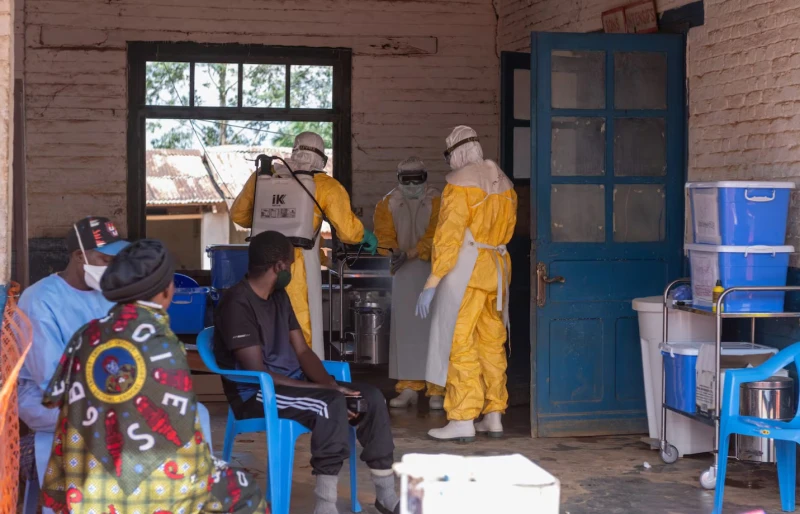
The virus has now spread beyond Mongbwalu to areas such as Rwampara and Bunia, with the number of confirmed infections rising to between 896 and 1,224 by late June. The number of confirmed deaths from Ebola has also increased to between 232 and 323, with an overall mortality rate of approximately 26 percent.This epidemic is suspected to have started in the early part of the year, between February and April, and spread rapidly due to the region being rich in gold mining and having a high migrant population. Poor sanitation facilities, crowded refugee camps, and the inability to identify patients early intensified this disaster. Patients infected with this virus, who show symptoms such as fever, body aches, extreme fatigue, vomiting, and in some cases, internal or external bleeding, rapidly become critically ill. Currently, organizations such as the World Health Organization, UNICEF, and Doctors Without Borders (MSF) are jointly implementing measures such as tracing patient contacts, expanding testing through decentralized laboratories, and establishing treatment centers in temporary health tents.
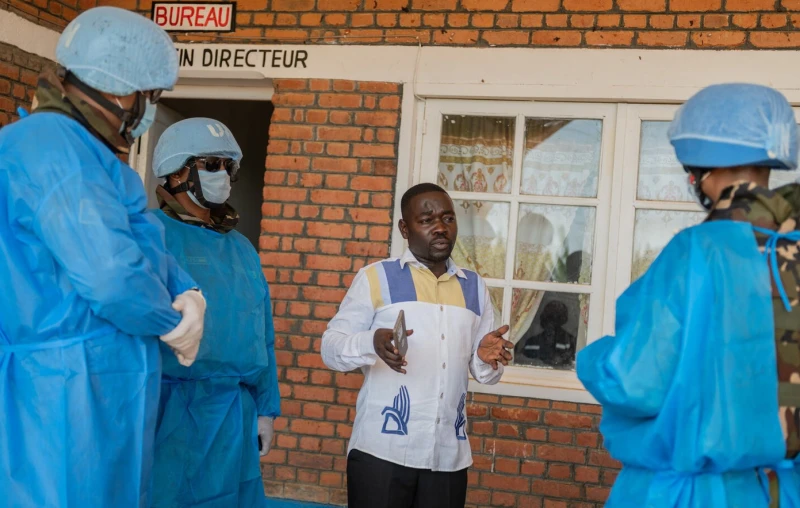
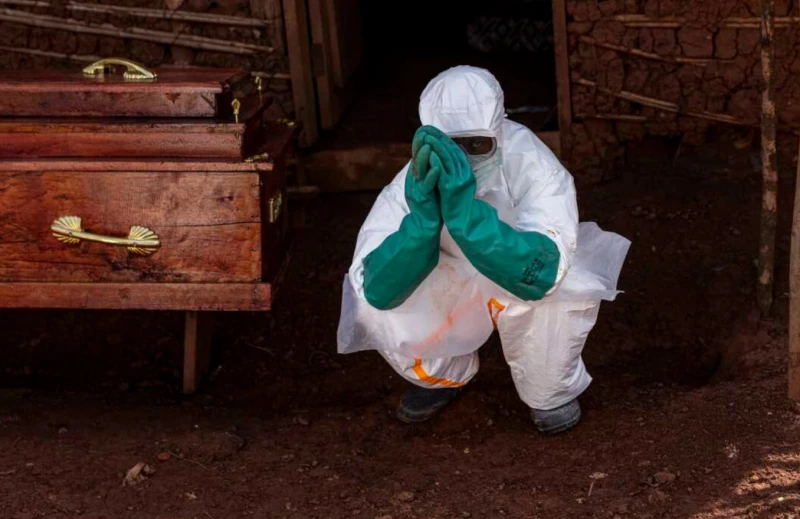
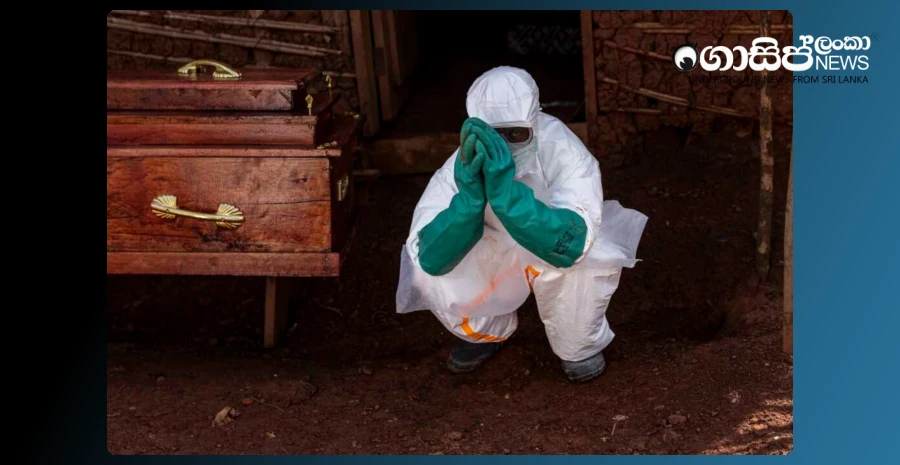
The challenges faced by health workers on the front lines of this battle are extremely daunting. Nearly eighty workers among them, who toil day and night without rest in PPE suits amidst the high equatorial temperatures, have already been infected with the virus. Dr. Richard Lokudu, Medical Director of Mongbwalu General Hospital, and his colleagues state that despite working under such deadly risks, they do not receive proper allowances or compensation. The fear of suffering the same fate as their colleagues and financial insecurity have plunged them into severe mental stress. Furthermore, having to work with minimal infection control facilities and facing violent attacks from local residents during the safe burial of the deceased have put the lives of health workers in serious danger.
The biggest obstacle to controlling the epidemic has been the misconceptions and distrust prevalent in society. People who believe that Ebola is a fabricated lie, a conspiracy by the government or foreign powers to seize their land and resources, refuse to come to hospitals. As a result, incidents such as the burning of treatment tents and the forceful abduction of deceased relatives' bodies for unsafe traditional burials have been reported. Political instability, armed conflicts, and millions of displaced people have further complicated this humanitarian crisis. Although steps have been taken to accelerate testing using American aid and international provisions due to the risk of the virus spreading to neighboring countries like Uganda, relief efforts have been hampered by the prevailing insecure environment.
This tragedy in the State of Congo offers many important lessons on public health management for countries like Sri Lanka. It is clear that during epidemics such as COVID-19 and Dengue, frontline workers in Sri Lanka, including doctors, nurses, and public health inspectors, faced immense pressure, and ensuring their mental well-being, fair allowances, and safety is crucial for maintaining continuous health services. Furthermore, this underscores the importance of building transparent communication by involving religious and community leaders to combat public distrust caused by false information spreading through social media. By strengthening early disease detection systems and gaining public trust, Sri Lanka can prevent epidemics and minimize damage to economic sectors, including tourism.