![Gossip Lanka News [English]](https://blogger.googleusercontent.com/img/a/AVvXsEhYm2aFFq-bIW1nWX-RrqnPFoIsVos6_VCVz8BpLt0QJi55GNXHXC2fugeRvL0qUStEuCfs7Sfu6ZiSlhrkldxfGuE_wzy5gitY6rMZ2KSi8VBbGvkgXLks37RwZV-4-HKbWiNLRxB8C_r1e4z3mpxFTMPDJPEADoG8E-bZteWFipeD5KNGbjvCfqEfKw=s300 "Gossip Lanka News [English]")
Why do the memories of a great military operation that overturned the global balance of power and cruelly claimed millions of human lives still shake humanity years later? The most horrific testimony, confirmed by history, that an entire world cannot be conquered solely by power-hungry madness and aggressive thinking, unfolds before us once again on a day like today (June 22).
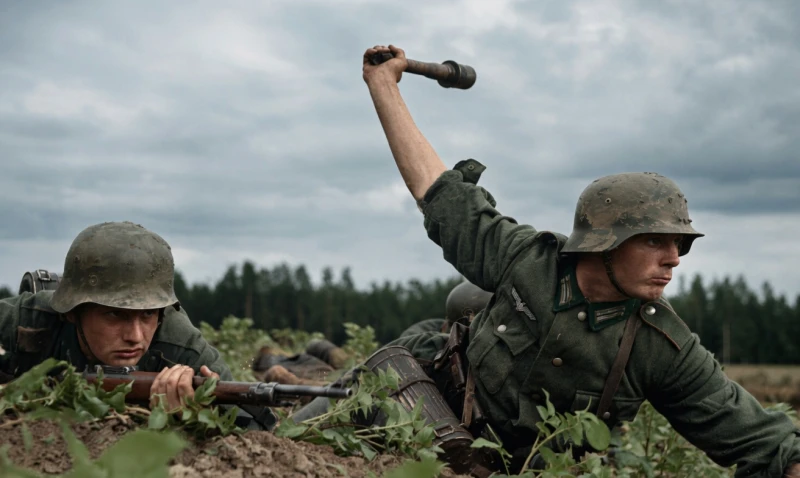
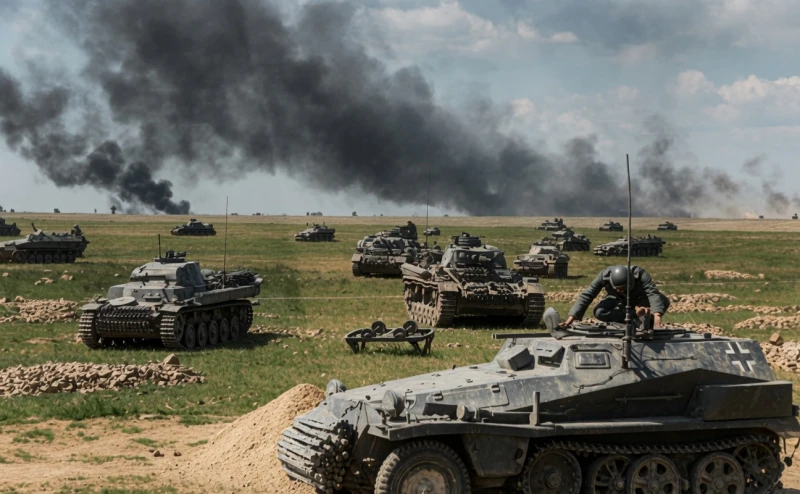
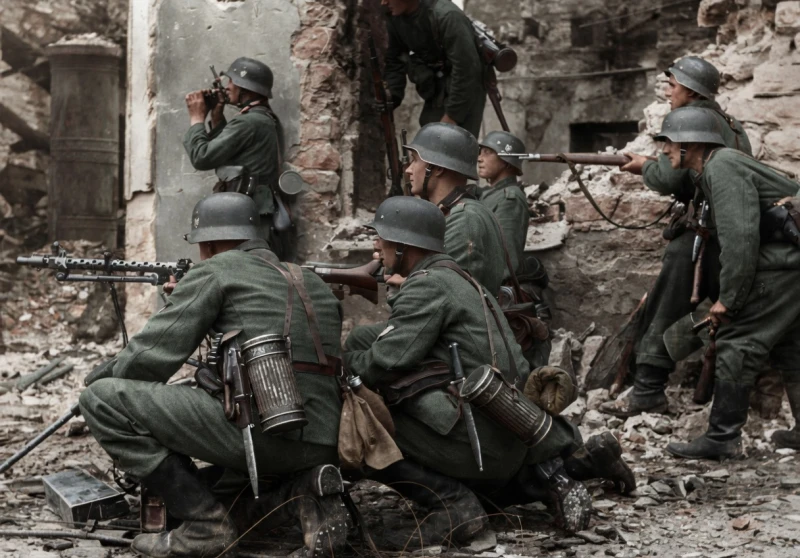
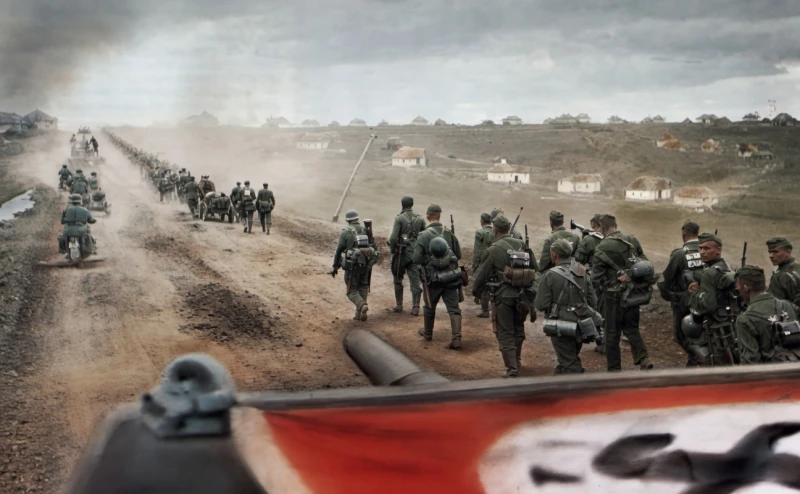
On June 22, 1941, 'Operation Barbarossa', launched by Nazi Germany to invade the Soviet Union, is marked as the largest and most brutal military invasion in human history. This massive invasion was planned based on Adolf Hitler's extremist ideology of 'Lebensraum', or the expansion of living space for German citizens, and the eradication of communism. Along a colossal front stretching 2,900 kilometers, over four million soldiers from Nazi divisions and their allied forces, accompanied by thousands of tanks and assault aircraft, stormed into the Soviet Union, astonishing the entire world.
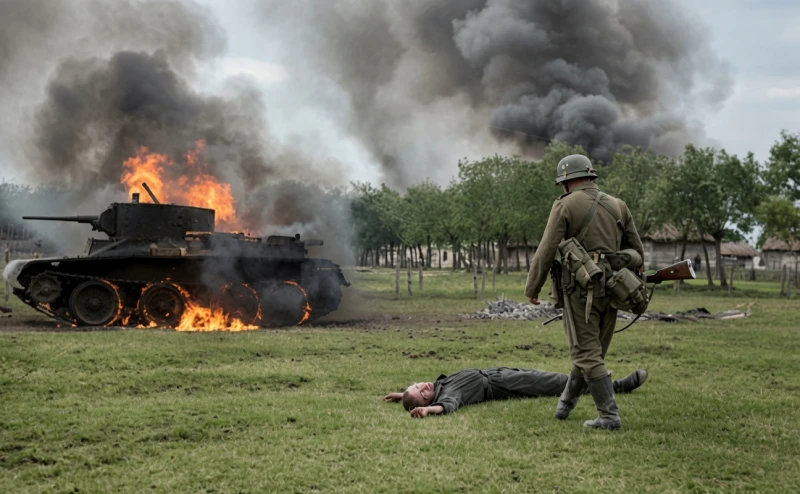
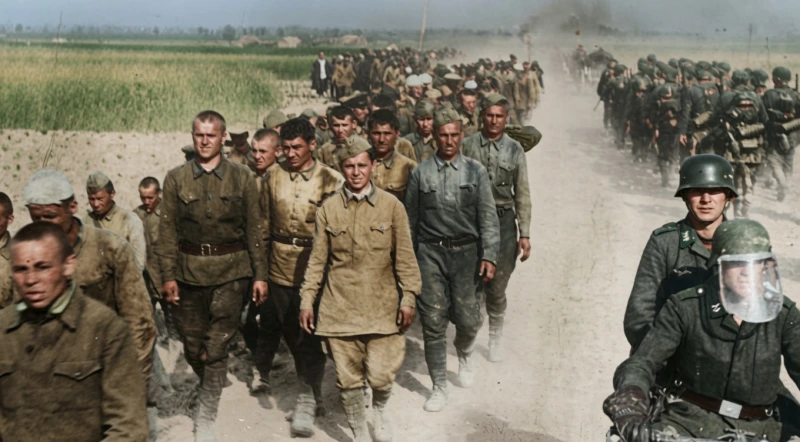
In the initial months of the operation, German forces achieved massive victories using the 'Blitzkrieg' strategy, or lightning-fast attacks. They managed to encircle and destroy Soviet divisions in areas like Minsk and Smolensk, seizing hundreds of thousands of square miles of territory. However, the true tragedy hidden behind these military victories was the sighs and blood-tears of millions of helpless civilians amidst massacres, war crimes, and Nazi plunder. Over 26 million Soviet citizens lost their lives due to the bloody conflicts on the Eastern Front alone, making it the most horrific human massacre of the entire Second World War.
However, due to Hitler's excessive pride and strategic blunders, stemming from overconfidence in his own power, this massive operation gradually moved towards failure. Nazi intelligence failed to accurately assess the true military strength of the Soviet Union and its unyielding resolve. Hitler's shortsighted decision to prioritize seeking resources in Ukraine over conquering the capital Moscow, coupled with disrupted supply lines, and above all, the incapacitation of German soldiers by Russia's harsh winter, known as 'General Winter', led to the complete halt of the operation by December 1941. In the initial months of the operation alone, the German side lost over seven hundred thousand soldiers, marking the beginning of the collapse of the Nazi empire.
Even today, this historical phenomenon continues to be recreated in various dimensions through world cinema, documentaries, literature, and even computer games. This bitter past, attested by old propaganda posters and soldiers' diaries, is not merely another page in history, but an eternal mirror reflecting to the world the evils of imperialistic lust for power and the disregard for human lives. Operation Barbarossa reminds us that history leaves only bloody memories of colossal defeat and destruction for any powerful entity that believes itself invincible and invades the lands of others.