![Gossip Lanka News [English]](https://blogger.googleusercontent.com/img/a/AVvXsEhYm2aFFq-bIW1nWX-RrqnPFoIsVos6_VCVz8BpLt0QJi55GNXHXC2fugeRvL0qUStEuCfs7Sfu6ZiSlhrkldxfGuE_wzy5gitY6rMZ2KSi8VBbGvkgXLks37RwZV-4-HKbWiNLRxB8C_r1e4z3mpxFTMPDJPEADoG8E-bZteWFipeD5KNGbjvCfqEfKw=s300 "Gossip Lanka News [English]")
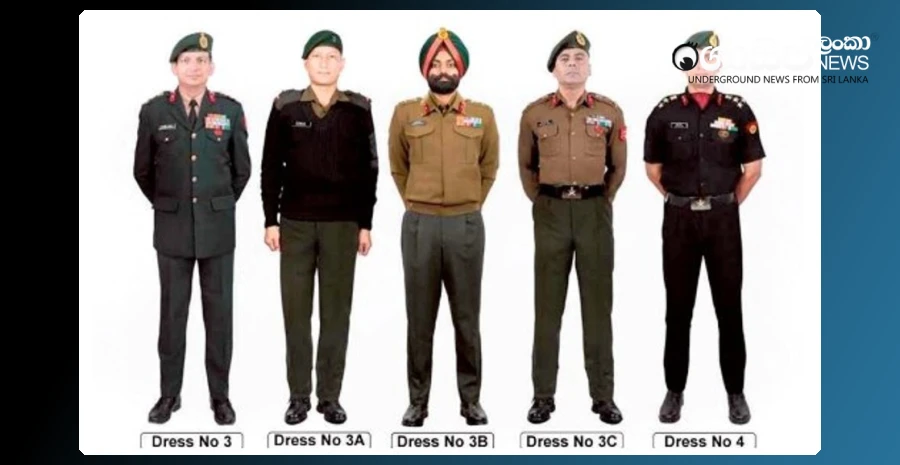
The Indian Army has introduced a new uniform policy with the aim of asserting indigenous identity by eliminating old practices and customs from the colonial era. This step, announced in New Delhi, is considered a significant decision taken to modernize military traditions and remove unnecessary accessories.
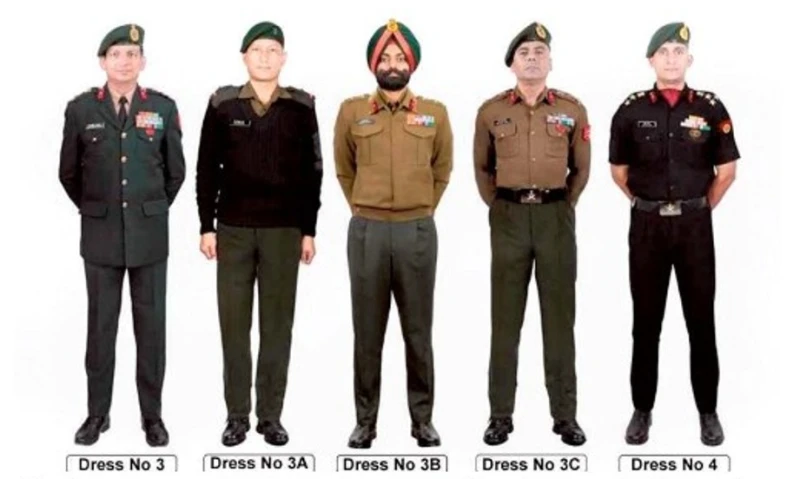
These changes have been announced through a new guideline document titled "Army Uniforms-2026," which aims to balance contemporary Indian values with the professional standards of the military. A prominent feature of this is the introduction of a common uniform numbering system for all three services: Army, Navy, and Air Force. This will enhance interoperability, clarity, and cooperation among the forces.
Under these reforms, the traditional 'Bandi Jacket' has been officially recognized as a formal civilian attire. Additionally, the new policy includes the removal of the cummerbund from Mess Dress numbers 5 and 6, making the carrying of a sword by parade reviewing officers optional, and completely eliminating the use of outdated terms like 'Royal'.
Despite these changes, it has been decided to continue maintaining the four main categories of uniforms: Ceremonial Dress, Working Dress, Mess Dress, and Combat Dress. Furthermore, the Army plans to gradually phase out old uniform patterns, such as Number 3A, by June 30, 2029, in several stages.