![Gossip Lanka News [English]](https://blogger.googleusercontent.com/img/a/AVvXsEhYm2aFFq-bIW1nWX-RrqnPFoIsVos6_VCVz8BpLt0QJi55GNXHXC2fugeRvL0qUStEuCfs7Sfu6ZiSlhrkldxfGuE_wzy5gitY6rMZ2KSi8VBbGvkgXLks37RwZV-4-HKbWiNLRxB8C_r1e4z3mpxFTMPDJPEADoG8E-bZteWFipeD5KNGbjvCfqEfKw=s300 "Gossip Lanka News [English]")
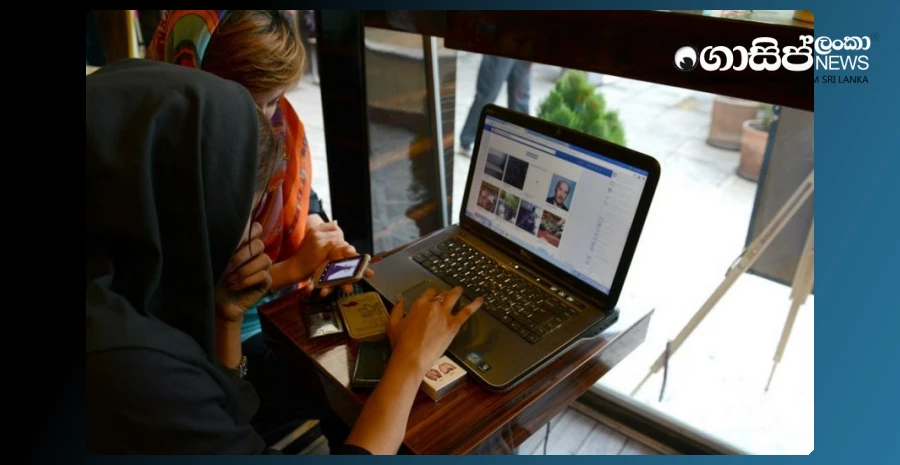
The Tehran government has taken steps to restore communication facilities to the people by lifting the longest internet ban, an 88-day restriction imposed across Iran due to political and security reasons. Following the confrontational situation between the United States and the Iranian government on February 28, authorities in the country had plunged nearly 90 million people into complete communication darkness, citing national security.
Due to this prolonged internet outage, the country's business sector suffered a massive economic loss of approximately $80 million per day, which also severely impacted the daily lives and mental well-being of civilians.During the period this ban was in effect, Iranian citizens lost the opportunity to access foreign websites or independent news services, and were only able to use a domestic internet system consisting of a few government-heavily censored applications and websites. Residents of Tehran state that due to this, they felt isolated without any external information, and being forced to read only government-controlled news was a severe hardship. However, it is noteworthy that while ordinary citizens suffered from the deprivation of communication tools, high-ranking government officials and the elite in the country were granted special permission to use the global internet without any hindrance.
The restoration of internet facilities has begun based on a decision by a special task force appointed by Iranian President Masoud Pezeshkian, who had promised to ease internet restrictions during last year's election campaign. Although the country's judiciary had ordered an immediate halt to this process, the President's side disregarded that decision and continued with efforts to restore the internet. Iran's Minister of Communications and Information, Sattar Hashemi, has also stated that the people of the country deserve free communication and a dynamic economy.
According to the current situation, only 41% of Iran's total internet capacity has been restored, which is significantly lower than the level before the suppression of protests last January. Organizations advocating for internet freedom point out that it is still unclear who will make the final decisions amidst the country's legal and political confusion. Consequently, the majority of the population remains without online facilities, as people with limited technological access and the poor still lack the opportunity to access the internet.