![Gossip Lanka News [English]](https://blogger.googleusercontent.com/img/a/AVvXsEhYm2aFFq-bIW1nWX-RrqnPFoIsVos6_VCVz8BpLt0QJi55GNXHXC2fugeRvL0qUStEuCfs7Sfu6ZiSlhrkldxfGuE_wzy5gitY6rMZ2KSi8VBbGvkgXLks37RwZV-4-HKbWiNLRxB8C_r1e4z3mpxFTMPDJPEADoG8E-bZteWFipeD5KNGbjvCfqEfKw=s300 "Gossip Lanka News [English]")
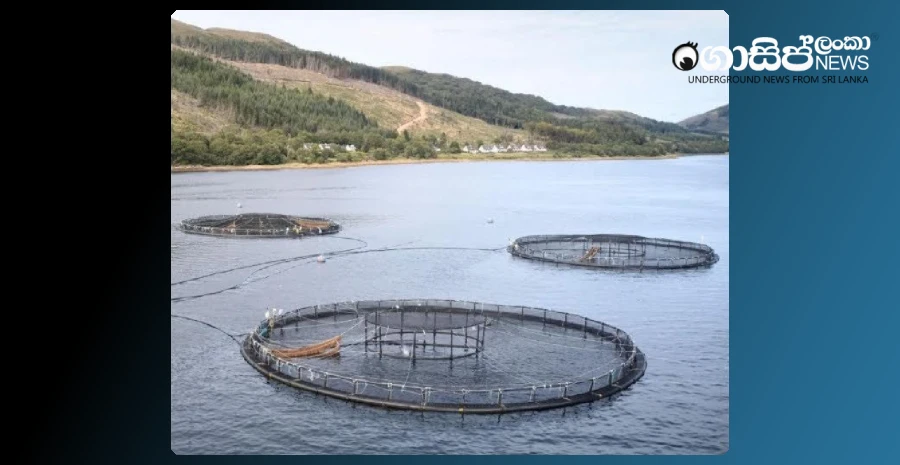
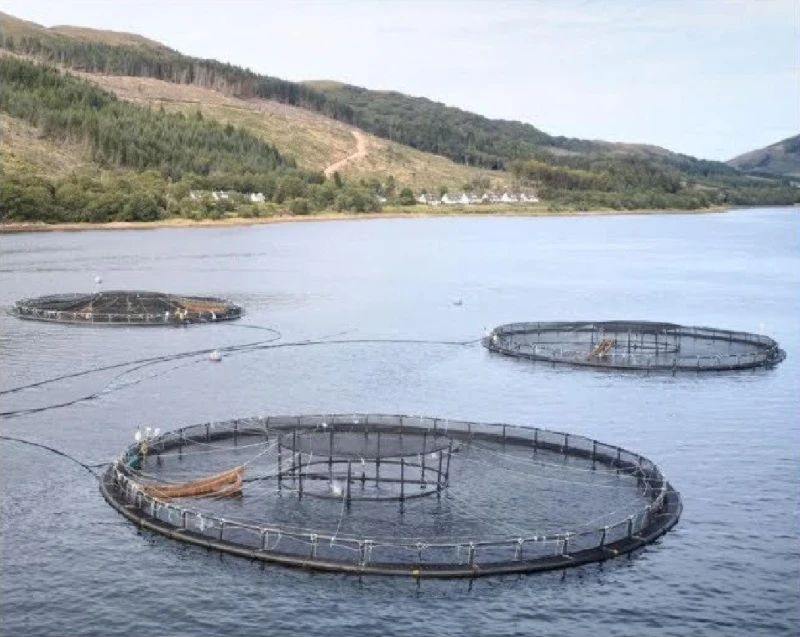
Information regarding millions of fish deaths in Scottish salmon farms has been made public following a special order from the Information Commissioner's Office (ICO). These reports, previously withheld by the Animal and Plant Health Agency (APHA), reveal that these large-scale fish deaths occurred due to acute poisoning and suffocation.
Although APHA had refused to disclose this information, claiming it could damage the reputation of the companies involved, the ICO ruled that there were no sufficient and reasonable grounds to withhold the information. Animal rights organization Animal Equality UK describes this decision as a significant turning point for public transparency.According to the released inspection reports, over 100,000 fish died from suffocation in 2021 at a land-based farm owned by Mowi, Scotland's largest salmon farm company. This was caused by an oxygen supply cut-off due to employee negligence. In the same month, over a million more fish died within 10 hours at the same location due to hydrogen sulfide gas accumulation, but APHA took no legal action regarding this. Additionally, at an RSPCA-certified Bakkafrost farm, 600,000 fish died in 2022 due to hydrogen sulfide gas congestion, and then 1.5 million more died a few months later from the same issue, with no legal action taken for these incidents either. At another trout farm in 2023, 70,000 fish died, and the remaining approximately 7,800 fish were culled, deemed not economically viable. These deaths were not reported to the Fish Health Inspectorate, and APHA merely advised them to seek veterinary advice.
The ICO points out that APHA's argument that commercial interests would be harmed by disclosing information, which it used to withhold data, is debunked by recent reports released in 2024. However, despite some reports being released with this decision, the public will still need to make further Freedom of Information requests to obtain information in the future. Commenting on this, Abigail Penny, Executive Director of Animal Equality UK, emphasizes that APHA's culture of secrecy must end. She further stated that the public is disgusted by regulatory bodies, maintained by taxpayers' money, turning a blind eye to the actions of companies that abuse animals. She argues that this information, which belongs to the public, should not be hidden within bureaucracy to protect companies.
Meanwhile, Animal Equality has also released a series of video footage filmed at Scottish Sea Farms' Fiunary farm in Scotland, which shows salmon that are blind, have open wounds, and are heavily infested with sea lice. They have also submitted a formal complaint to APHA regarding the conditions at this farm, which supplies salmon to establishments like Marks & Spencer and Co-op. However, an APHA spokesperson states that they advocate for openness and transparency and take all suspicious reports of animal welfare seriously. But a spokesperson for Salmon Scotland says that these accusations from animal activists are presented out of context and that Scottish salmon farms operate according to world-class standards. Co-op has also taken note of the incidents and states that they are discussing this issue with the relevant suppliers and will take immediate action if animal welfare standards have been breached.