![Gossip Lanka News [English]](https://blogger.googleusercontent.com/img/a/AVvXsEhYm2aFFq-bIW1nWX-RrqnPFoIsVos6_VCVz8BpLt0QJi55GNXHXC2fugeRvL0qUStEuCfs7Sfu6ZiSlhrkldxfGuE_wzy5gitY6rMZ2KSi8VBbGvkgXLks37RwZV-4-HKbWiNLRxB8C_r1e4z3mpxFTMPDJPEADoG8E-bZteWFipeD5KNGbjvCfqEfKw=s300 "Gossip Lanka News [English]")
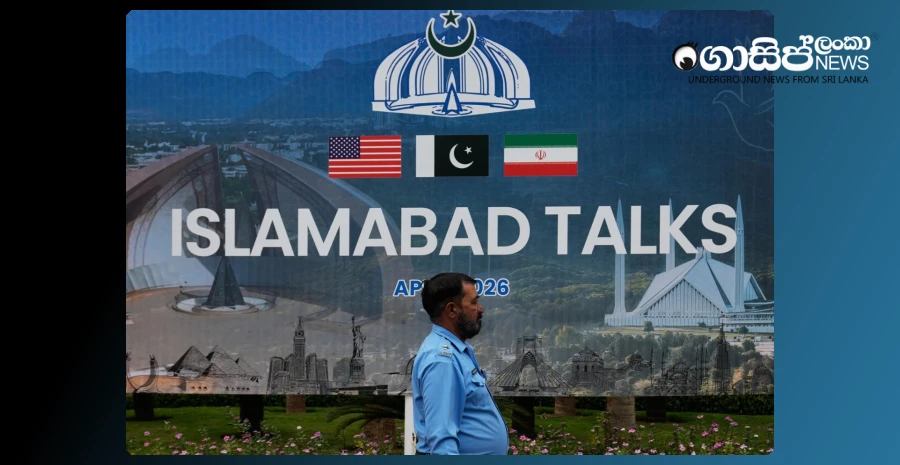
After nearly four decades, the United States and Iran are sitting face-to-face, not to release doves of peace, but with the aim of temporarily extinguishing a great fire that threatens to engulf the entire world.
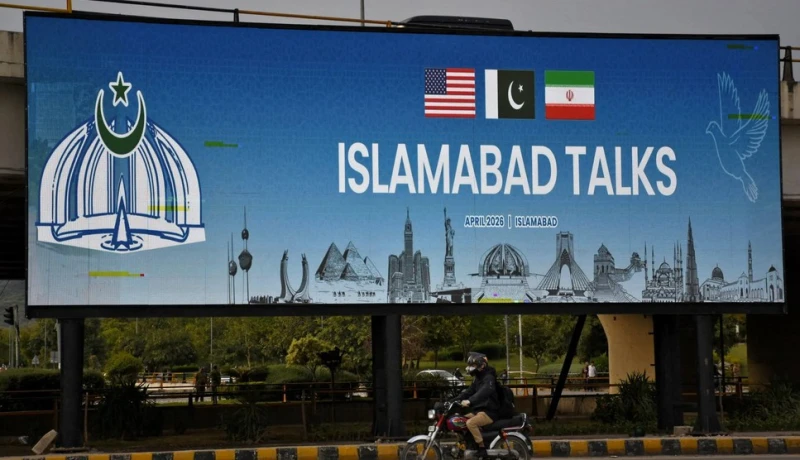
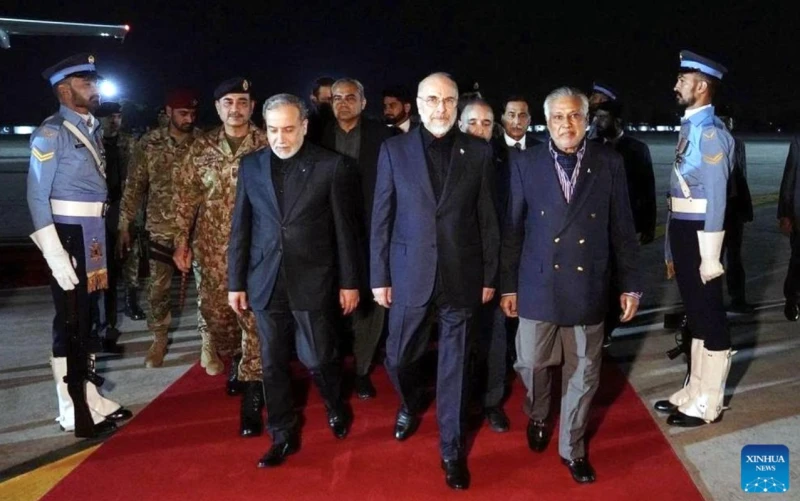
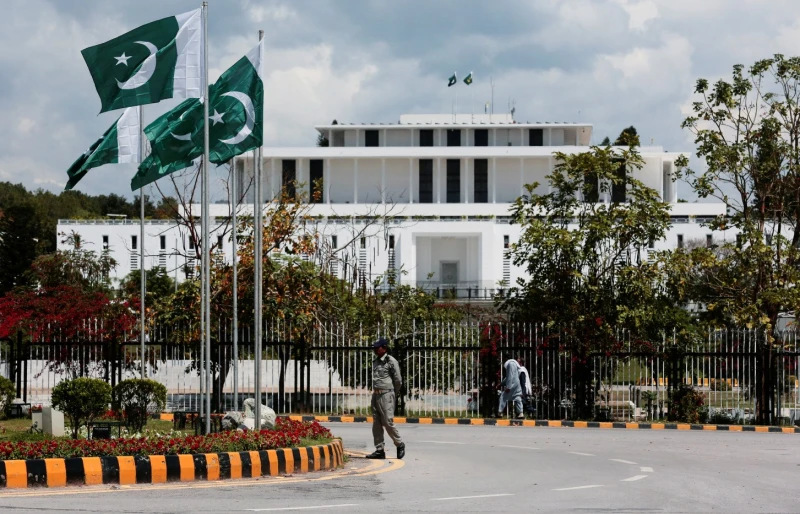
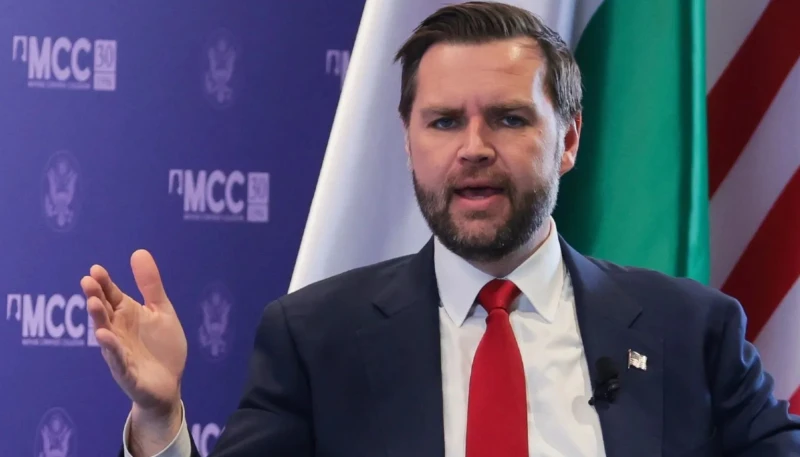
For the first time since 1979, Iranian Parliament Speaker Mohammad Bagher Ghalibaf and U.S. Vice President J.D. Vance will meet today (11) in Islamabad, Pakistan, for high-level diplomatic talks. At a time when the fragile U.S.-Iran ceasefire, effective since April 8, is under severe threat, these talks, commencing without any alternative plan, have become an extremely critical turning point.
While high-ranking diplomats safely take their seats at the negotiating table, innocent civilians in Lebanon are still tragically losing their lives due to Israeli bombs. In the past few days alone, over 357 people have died in Israeli attacks on Lebanon, and more than a million have been displaced, forced onto the streets. Despite a ceasefire between the U.S. and Iran, it is no secret that the entire peace process is floating on a pool of blood due to Israel's continuous attacks.
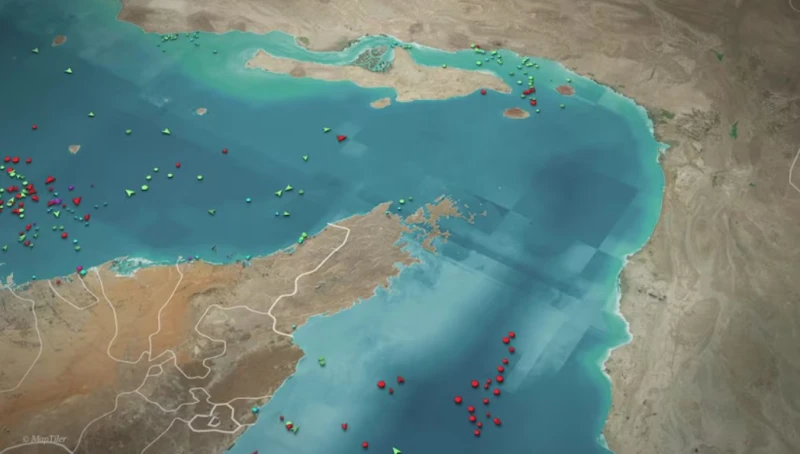
On the other hand, the global economy has been severely shocked due to the almost complete halt of naval traffic in the Strait of Hormuz. Although Iran states that the strait cannot be immediately opened due to "technical issues" in removing sea mines, critics point out that this is a tactic to exert economic pressure on the U.S. by restricting global oil supply. The U.S. administration is also compelled to find a quick solution in the face of rapidly rising inflation within the country, and Iran strongly emphasizes that a Lebanese ceasefire and the lifting of sanctions imposed on it, along with the release of blocked assets, are essential conditions for advancing the talks.
These talks are fraught with deep suspicion rather than trust. While J.D. Vance states that he has no trust in the Iranian team, Donald Trump has warned that if the Islamabad talks fail, U.S. warships equipped with the latest weapons are ready to launch another severe attack against Iran. With China also preparing to supply new air defense systems to Iran, the Middle East region is like a powder keg that could explode at any moment.
The time has now come to decide whether tomorrow's news from Islamabad will be a message of peace that restores the global economy, or the beginning of another horrific war that plunges the entire world into tragedy once again.