![Gossip Lanka News [English]](https://blogger.googleusercontent.com/img/a/AVvXsEhYm2aFFq-bIW1nWX-RrqnPFoIsVos6_VCVz8BpLt0QJi55GNXHXC2fugeRvL0qUStEuCfs7Sfu6ZiSlhrkldxfGuE_wzy5gitY6rMZ2KSi8VBbGvkgXLks37RwZV-4-HKbWiNLRxB8C_r1e4z3mpxFTMPDJPEADoG8E-bZteWFipeD5KNGbjvCfqEfKw=s300 "Gossip Lanka News [English]")
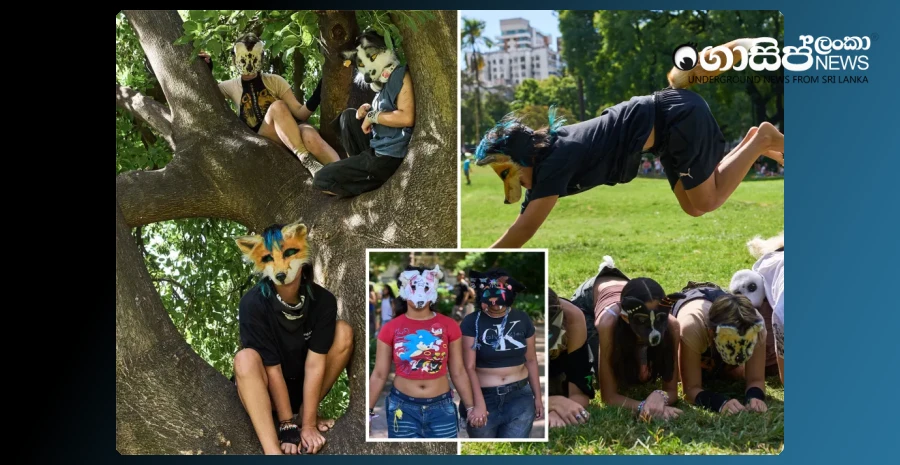
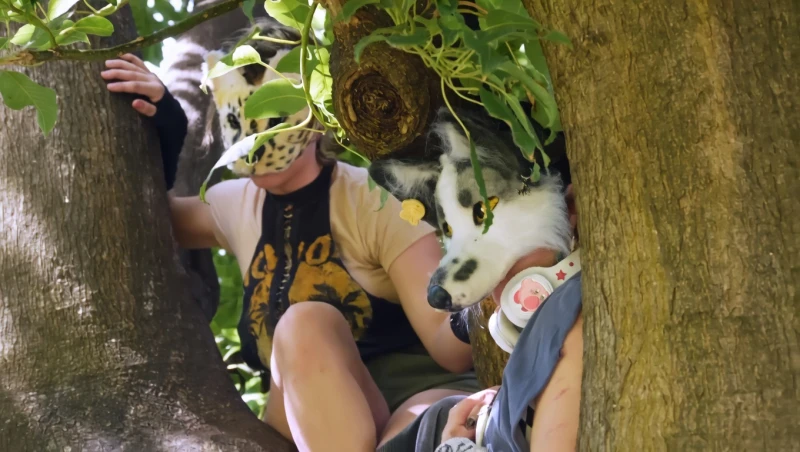
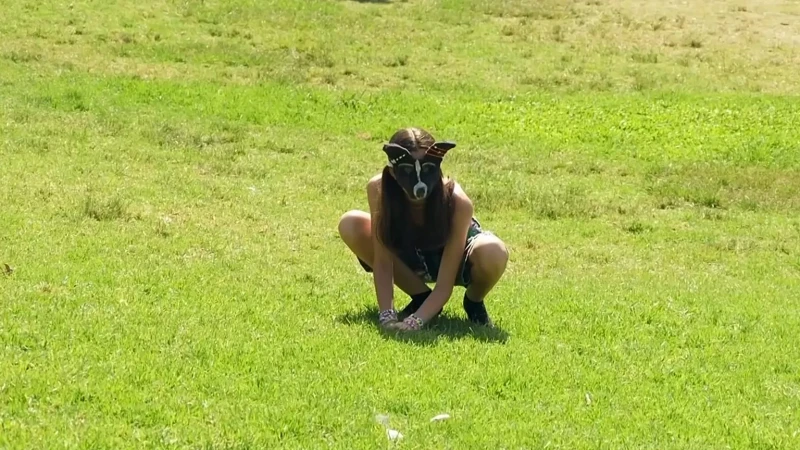
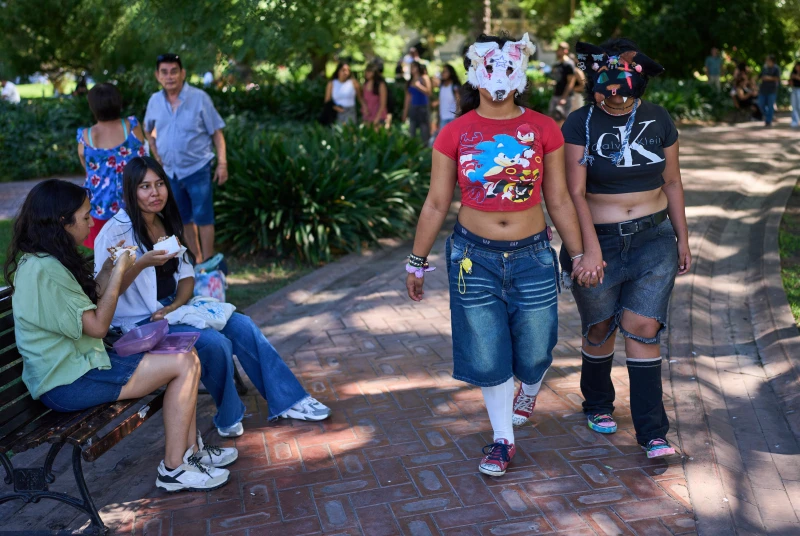
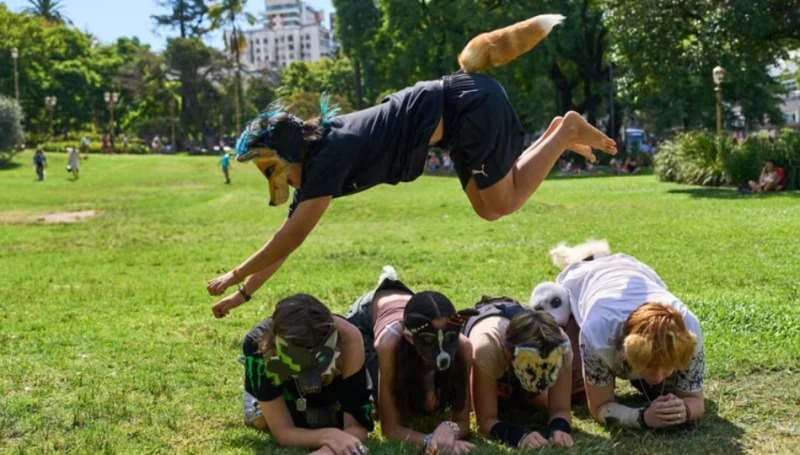
Imagine for a moment a scene where teenagers, who believe themselves to be wild animals trapped in human bodies, run on all fours through city parks, wearing real animal masks and tails.
Currently, the main parks in Buenos Aires, Argentina, are filled with such unusual sights, and this latest social media trend, known as 'Therian,' is spreading like wildfire among the youth there. This concept, popularized worldwide through over two million videos created on the TikTok network, is more than just entertainment; it is a strong effort by the younger generation to live as animals, both mentally and spiritually.
Fifteen-year-old Aguara is one of the key figures leading this trend. Identifying herself as a Belgian Malinois dog, she even calculates her age in 'dog years.' With over a hundred thousand followers on TikTok, she states that although she lives a normal life as a human, she has her own unique 'dog moments.' Like Aguara, thousands of others, such as sixteen-year-old Aru, who wears a sea lion mask, use this animal identity as a means of expressing their feelings and building mutual bonds.
Psychologists point out that medically, this is not classified as a mental illness. Deborah Pedes, a psychologist in Buenos Aires, states that it is merely a symbolic identity exploration that occurs during adolescence, and it only becomes a problem if it develops to a level that harms one's body or society. However, social analysts believe that the younger generation turns to such imaginary worlds to escape post-pandemic isolation, the intense mental pressure of the digital age, and the lack of social care.
However, this situation is not always just a harmless game. Last February, a Therian behaving like a wolf chased and bit the leg of a fourteen-year-old girl in the Córdoba region, which sparked intense social fear about this trend. With this incident escalating to police complaints, right-wing media in the country have now begun to heavily criticize Therian culture as a mental perversion and cultural decline in society.
What lies hidden behind these wild masks, which started as a short internet video and have now invaded real-world parks, is the silent cry of a lost generation searching for their true identity in an extremely complex society.