![Gossip Lanka News [English]](https://blogger.googleusercontent.com/img/a/AVvXsEhYm2aFFq-bIW1nWX-RrqnPFoIsVos6_VCVz8BpLt0QJi55GNXHXC2fugeRvL0qUStEuCfs7Sfu6ZiSlhrkldxfGuE_wzy5gitY6rMZ2KSi8VBbGvkgXLks37RwZV-4-HKbWiNLRxB8C_r1e4z3mpxFTMPDJPEADoG8E-bZteWFipeD5KNGbjvCfqEfKw=s300 "Gossip Lanka News [English]")
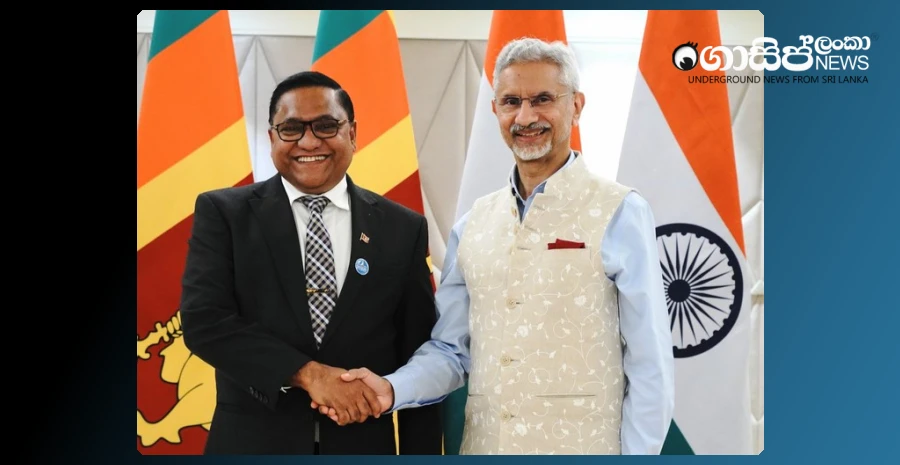
The Ministry of Foreign Affairs states that a positive response has been received from India regarding Sri Lanka's request for a continuous supply of fuel amidst the crisis in the Middle East region. Sri Lanka made this request against the backdrop of disruptions to global oil transportation through major sea routes such as the Strait of Hormuz, especially due to the conflictual atmosphere between America, Israel, and Iran.
During Sri Lanka's Foreign Minister Wijitha Herath's official visit to India on March 6th, special attention was paid to this matter during discussions with India's External Affairs Minister S. Jaishankar. The Sri Lankan delegation informed Indian authorities about the potential impact on the country's energy security if the Middle East crisis further escalates, and expressed their expectation of India's support in obtaining necessary fuel stocks amidst regional uncertainties.
India has responded very positively to Sri Lanka's request, and it is reported that the necessary steps are currently being considered. Randhir Jaiswal, spokesperson for the Indian Ministry of External Affairs, stated that in addition to Sri Lanka, requests for petroleum products, including diesel, have also been received from neighboring countries Bangladesh and Maldives. India, a leading exporter of petroleum products in the region, is currently conducting a comprehensive study regarding these requests, while also considering its own domestic energy requirements and refining capabilities. Therefore, a final agreement beyond the initial positive response given to Sri Lanka has not yet been announced.
This latest development is reported against the backdrop where Sri Lanka recently had to increase fuel prices by more than 8% to control chaotic fuel purchases caused by disruptions in the global supply chain and to stabilize supply. India's intervention, which supported Sri Lanka through credit facilities and direct fuel supplies during the 2022 crisis, is consistent with its 'Neighbourhood First' policy and indicates a further strengthening of bilateral relations between the two countries regarding energy security amidst geopolitical challenges in West Asia.