![Gossip Lanka News [English]](https://blogger.googleusercontent.com/img/a/AVvXsEhYm2aFFq-bIW1nWX-RrqnPFoIsVos6_VCVz8BpLt0QJi55GNXHXC2fugeRvL0qUStEuCfs7Sfu6ZiSlhrkldxfGuE_wzy5gitY6rMZ2KSi8VBbGvkgXLks37RwZV-4-HKbWiNLRxB8C_r1e4z3mpxFTMPDJPEADoG8E-bZteWFipeD5KNGbjvCfqEfKw=s300 "Gossip Lanka News [English]")
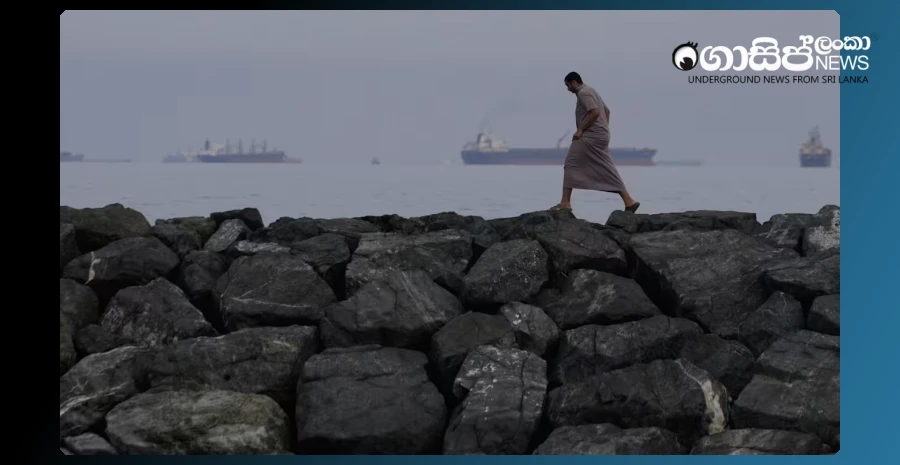
Several European countries, including France and Italy, have initiated discussions with Iran with the aim of resuming energy supplies from the Gulf region to Europe and ensuring a safe passage for their merchant vessels through the Strait of Hormuz.
This critical sea lane, through which approximately one-fifth of the world's crude oil and liquefied natural gas (LNG) supplies pass, has been almost completely disrupted due to attacks on oil tankers by Iran. The recent pledge by Iran's new Supreme Leader, Mojtaba Khamenei, to keep the strait continuously closed has further intensified this crisis.
Authorities indicate that European states have initiated these preliminary discussions to resume oil and gas exports without further escalating the existing conflict. However, there is no guarantee yet that these discussions will be successful or that Iran is ready to reach an agreement. There is also widespread suspicion that Iran is deliberately trying to raise energy prices in an attempt to pressure American President Donald Trump to stop the war.
The rising business and household energy costs due to this blockade have severely impacted Europe's economy. Crude oil prices, which were around $60 per barrel earlier this year, have now surged to $100, and European natural gas prices have also increased by approximately 75%. European countries are trying to avoid direct involvement in this military situation, and the initial American-Israeli attack, which escalated into a regional war, has also drawn their criticism.
Although warships from Italy, France, and Greece have been stationed in the Red Sea as part of the European Union's 'Aspides' naval protection operation, European navies are not prepared to provide security for merchant vessels through the Strait of Hormuz if there is a risk of attack. Furthermore, it is reported that there are various disagreements among EU member states regarding discussions with Iran. Britain is not conducting direct talks with Iran, but its Foreign Secretary, Yvette Cooper, is holding discussions on oil supply with Gulf regional countries in Saudi Arabia.
President Emmanuel Macron has stated that France is ready to provide security for ships if the conflict de-escalates, and he has also emphasized to Iranian President Masoud Pezeshkian that the closure of the Strait of Hormuz must cease and freedom of navigation must be ensured. Meanwhile, Italian Defense Minister Guido Crosetto has declared that all of Europe should speak with a united voice to officially request permission for ships from non-involved countries to pass through Hormuz.