![Gossip Lanka News [English]](https://blogger.googleusercontent.com/img/a/AVvXsEhYm2aFFq-bIW1nWX-RrqnPFoIsVos6_VCVz8BpLt0QJi55GNXHXC2fugeRvL0qUStEuCfs7Sfu6ZiSlhrkldxfGuE_wzy5gitY6rMZ2KSi8VBbGvkgXLks37RwZV-4-HKbWiNLRxB8C_r1e4z3mpxFTMPDJPEADoG8E-bZteWFipeD5KNGbjvCfqEfKw=s300 "Gossip Lanka News [English]")
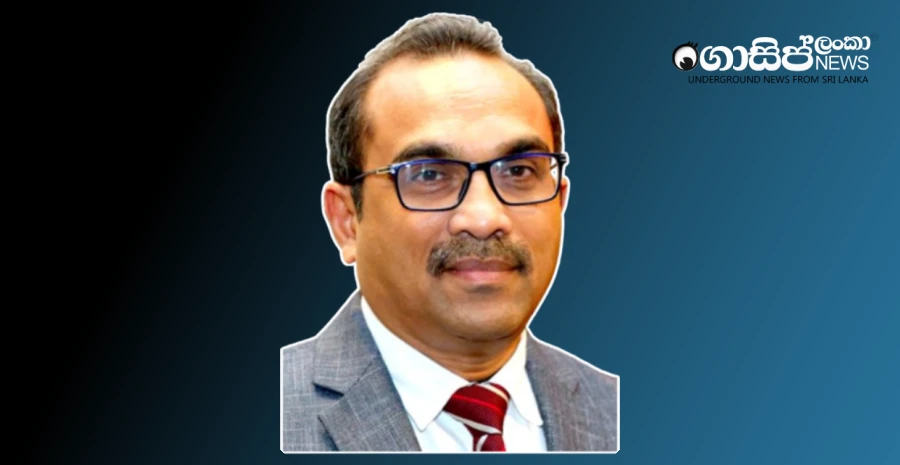
Minister Bimal Ratnayake stated in Parliament today that a special regulatory program is planned to be implemented under the powers received by the National Transport Commission Act, with the aim of establishing discipline within the transport sector.
Here, special attention has been paid mainly to four categories: three-wheelers, taxis, vans transporting schoolchildren, and vans transporting office workers. Due to the lack of proper regulation in these sectors for a long time, those involved in the industry, as well as the public including parents who use the services, have faced numerous major problems.
Currently, the control of three-wheeler drivers is largely carried out by the police or some provincial councils, but it does not operate as a formal integrated regulation. To rectify this situation, the work of drafting new regulations applicable to all four aforementioned transport categories is now largely complete. These regulations are expected to be enforced after holding final round discussions with relevant professional groups and associations within the next two months.
Furthermore, tests have commenced using special mobile laboratory buses to ascertain whether drivers and conductors engaged in passenger transport services have used drugs. Analysis of the data obtained from these mobile laboratories reveals that the driving profession has become a prominent occupation among those severely addicted to drugs at present.
To control this dangerous situation, transport authorities are working in collaboration with the College of Surgeons of Sri Lanka. Expert doctors have pointed out that when driving under the influence of drugs or alcohol, a driver's ability to make correct decisions or react quickly is impaired, which leads to serious accidents.