![Gossip Lanka News [English]](https://blogger.googleusercontent.com/img/a/AVvXsEhYm2aFFq-bIW1nWX-RrqnPFoIsVos6_VCVz8BpLt0QJi55GNXHXC2fugeRvL0qUStEuCfs7Sfu6ZiSlhrkldxfGuE_wzy5gitY6rMZ2KSi8VBbGvkgXLks37RwZV-4-HKbWiNLRxB8C_r1e4z3mpxFTMPDJPEADoG8E-bZteWFipeD5KNGbjvCfqEfKw=s300 "Gossip Lanka News [English]")
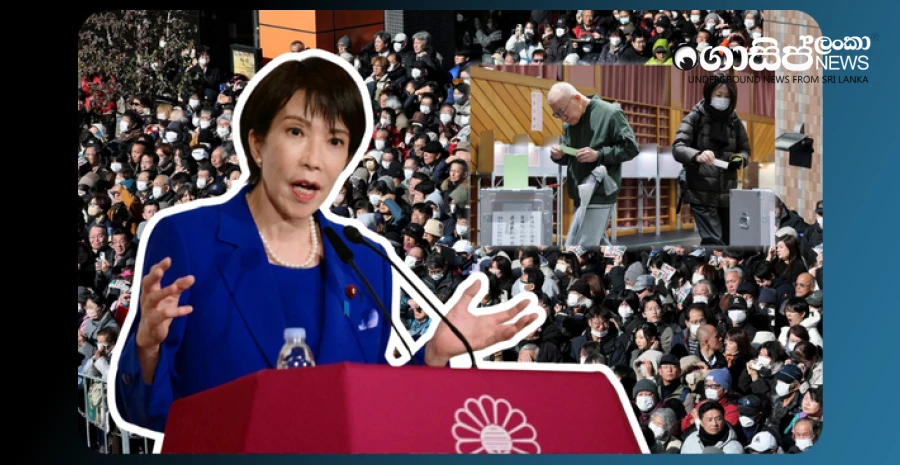
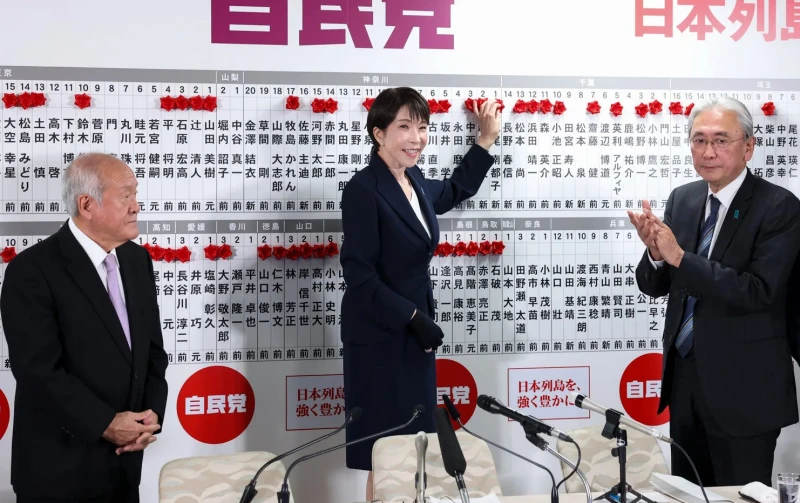
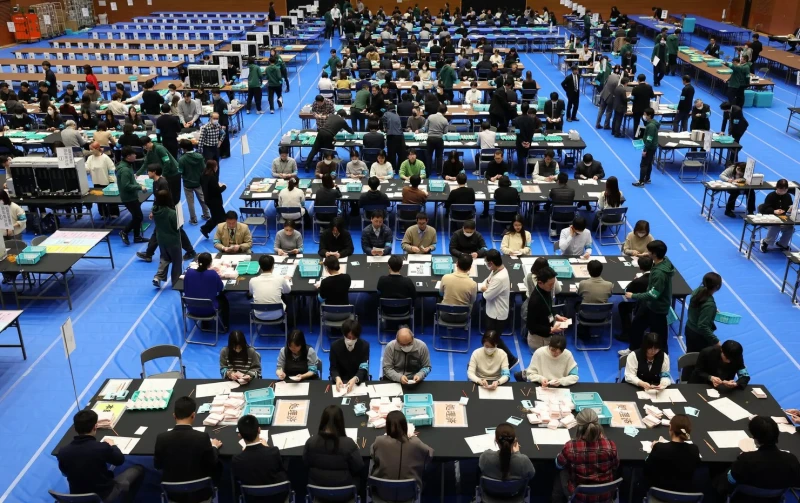
Japanese Prime Minister Sanae Takaichi's coalition government achieved a historic victory in Sunday's general election, a result that will pave the way for increased military spending against China and the implementation of tax cut promises that have rattled financial markets. Conservative Takaichi, Japan's first female leader who claims to be inspired by Britain's "Iron Lady" Margaret Thatcher, won 316 of the 465 seats in the Lower House of Parliament for her Liberal Democratic Party (LDP), the party's best-ever result.
Together with her coalition partner, the Japan Innovation Party, or 'Ishin', Takaichi controls 352 seats, representing a two-thirds supermajority in Parliament. This majority will allow her to override decisions in the Upper House, where she does not have a majority, making it easier to advance her legislative agenda. In a television interview while results were still coming in, Takaichi stated that this election marks a significant change in economic and fiscal policies, as well as defense policies.
US President Donald Trump congratulated Takaichi on her victory in a social media post, wishing her success in her "Peace Through Strength" agenda. Trump, who is scheduled to meet Takaichi at the White House next month, noted that her decision to call an election was brave and wise, and that it had been very successful. The 64-year-old Takaichi called this rare winter snap election to capitalize on the high public disapproval that had built up around her since she took over the leadership of the LDP party late last year.
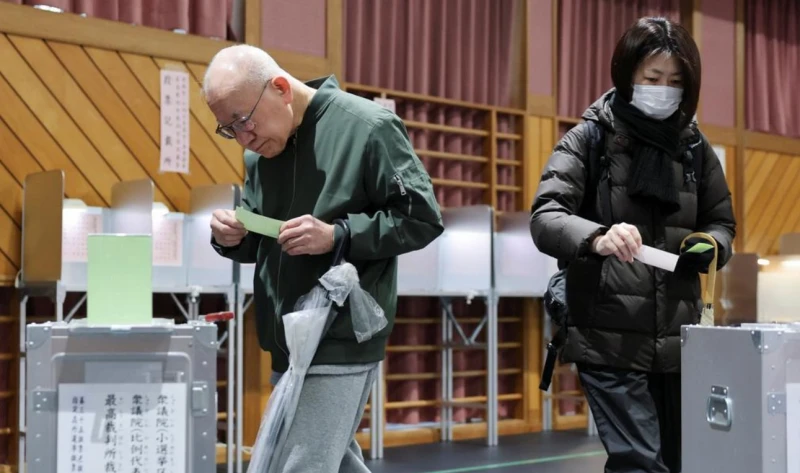
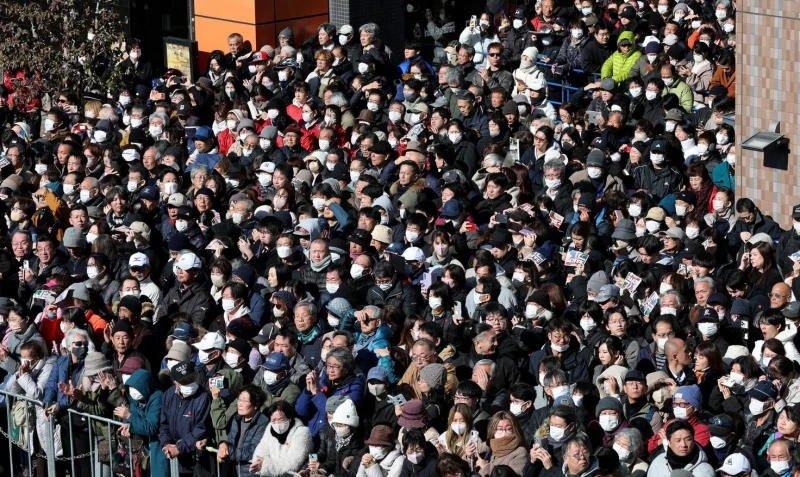
Her straightforward speaking style and hard-working image have attracted voters, but her nationalist leanings and emphasis on security have strained relations with Japan's powerful neighbor, China, and her tax cut promises have rattled financial markets. Despite traffic congestion due to record snowfall in some areas, people traveled through the snow to cast their votes, and some polling stations had to close early due to the bad weather. This was only the third post-war election held in February, as elections are usually called in milder months.
Takaichi's election promise to suspend the 8% sales tax on food has caused concern among investors due to questions about how Japan, which has the highest debt burden among developed economies, will finance this plan. Takaichi stated on Sunday that she would accelerate consideration of sales tax cuts while focusing on fiscal sustainability. Yoshinobu Tsutsui, head of Keidanren, Japan's main business lobby, praised Takaichi's victory as a return to political stability.
Takaichi succeeded in reversing the fortunes of the LDP party, which had lost control of both houses in elections over the past 15 months under her predecessor Shigeru Ishiba, by attracting young voters. She has also created a new wave known as "Sanakatsu" or "Sanae Mania," with high demand for her handbag and the pink pen she uses to take notes in Parliament. However, China is not pleased with this victory, and after Takaichi publicly commented on how Japan would respond to an attack on Taiwan, the Beijing government issued warnings to Japanese tourists, among other retaliatory measures.
Takaichi's strong mandate will accelerate her plans to strengthen Japan's defense arrangements, which is likely to further anger the Beijing government. Japan's Defense Minister Shinjiro Koizumi told television channels on Sunday evening that he wants to move forward with policies to strengthen Japan's defense arrangements while maintaining dialogue with China. David Boling, head of the Asia Group, stated that the Beijing government does not accept Takaichi's victory and that China's attempts to isolate her have completely failed.