![Gossip Lanka News [English]](https://blogger.googleusercontent.com/img/a/AVvXsEhYm2aFFq-bIW1nWX-RrqnPFoIsVos6_VCVz8BpLt0QJi55GNXHXC2fugeRvL0qUStEuCfs7Sfu6ZiSlhrkldxfGuE_wzy5gitY6rMZ2KSi8VBbGvkgXLks37RwZV-4-HKbWiNLRxB8C_r1e4z3mpxFTMPDJPEADoG8E-bZteWFipeD5KNGbjvCfqEfKw=s300 "Gossip Lanka News [English]")
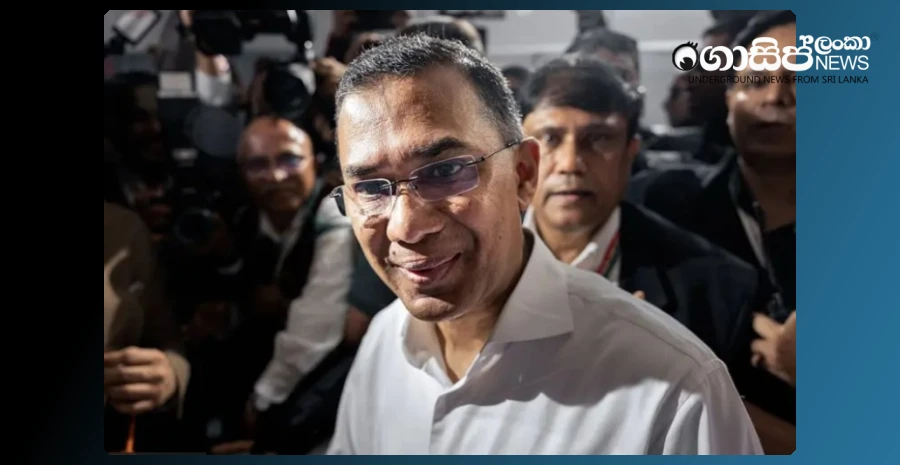
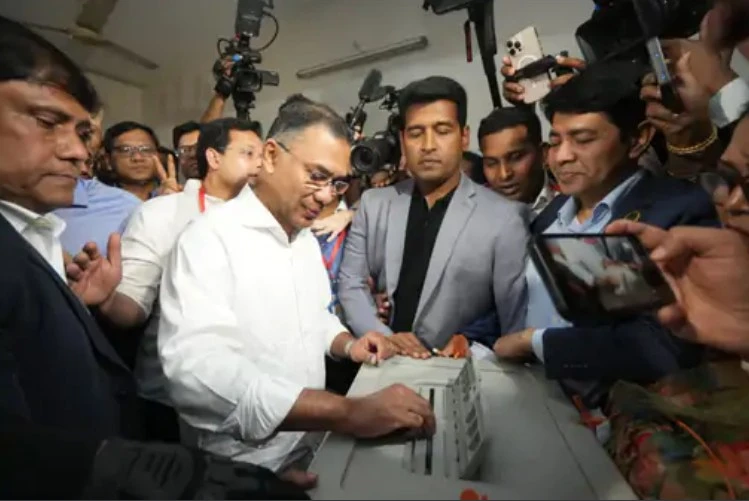
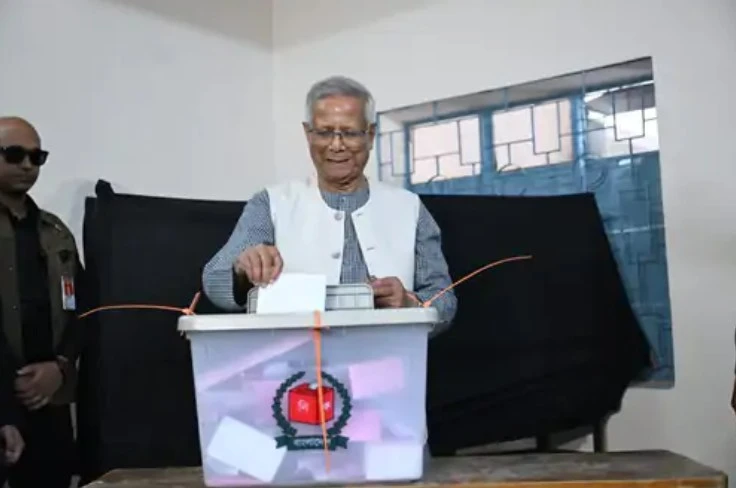
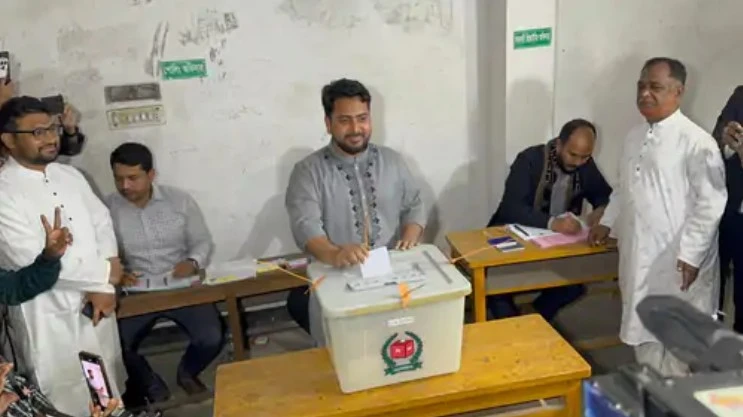
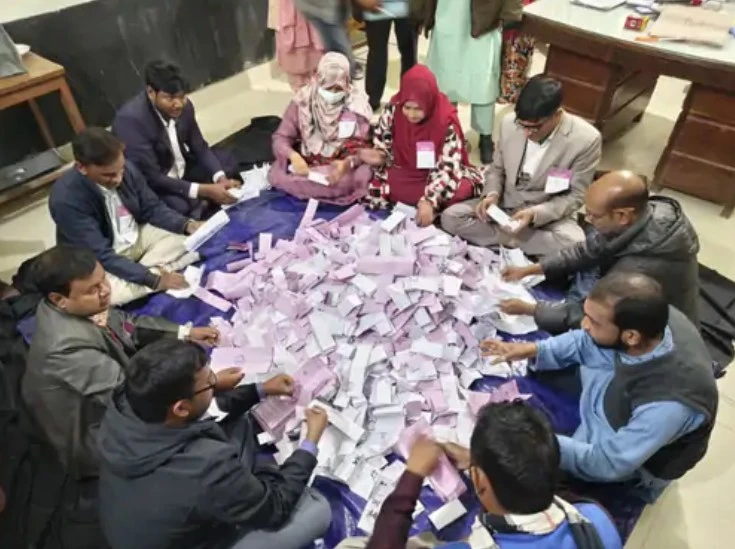
The Bangladesh Nationalist Party (BNP) is poised to return to power after nearly 20 years, securing a landslide victory in the general election held in Bangladesh. A majority of 150 seats is required in the 299-seat parliament, and according to the results declared so far, the BNP-led alliance has won 212 seats.
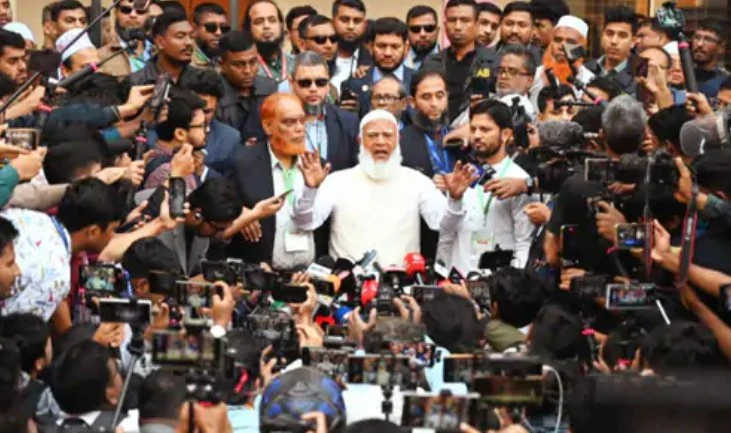
The 11-party alliance led by Jamaat-e-Islami has managed to secure only 77 seats. BNP leader Tarique Rahman has won both seats he contested, and it is now confirmed that he will become the next Prime Minister of Bangladesh.With this election result, the female dominance that has prevailed in Bangladeshi politics for nearly four decades comes to an end. Tarique Rahman will be the first man to become Prime Minister of the country since Kazi Zafar Ahmed in 1988. From 1991 to 2024, only two female leaders, Sheikh Hasina and Khaleda Zia, governed the country. Political analysts point out that in this election, the support of traditional Awami League voters, especially Hindus, has shifted towards the BNP. The Jamaat-e-Islami party has been rejected by the people due to its past opposition to the 1971 Liberation War, and the National Citizens' Party (NCP) of students, which was instrumental in overthrowing Sheikh Hasina's government, has also suffered a severe defeat. Its leader, Nahid Islam, won the Dhaka-15 seat by a very narrow margin of 2,039 votes.
A notable event is the BNP's success in winning all three seats in the Gopalganj district, considered a strong stronghold of former Prime Minister Sheikh Hasina. Additionally, they have consolidated their power in Khulna, Sylhet, Chittagong, and Thakurgaon. Speaking after the victory, BNP leaders stated that Sheikh Hasina should be brought back to Bangladesh from India and legal action should be taken against her. However, Sheikh Hasina has accused this election of being entirely fake and pre-planned, stating that holding it without the participation of the Awami League is a deception of the people.
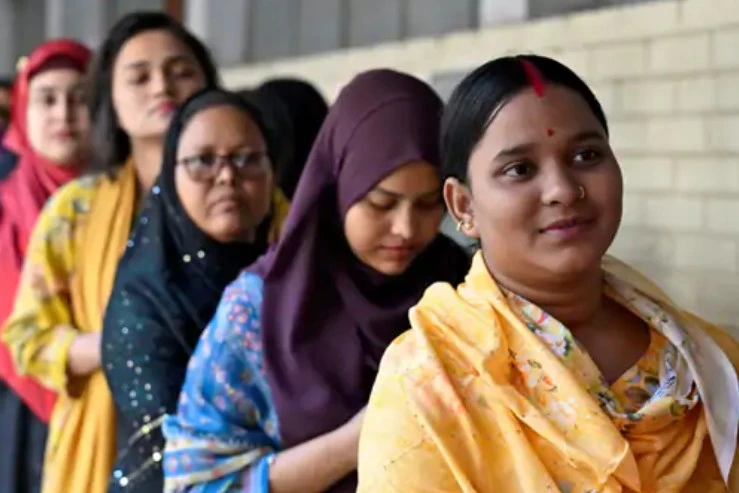
On election day, violence was reported in some areas, and a BNP leader was killed in a clash with Jamaat-e-Islami supporters in Khulna. Additionally, several bomb attacks occurred in Gopalganj and Munshiganj. However, this election recorded a voter turnout of 59.44%, a significant increase of 17% compared to the last election. In the constitutional amendment referendum held concurrently with the election, a majority of 68.06% voted in favor. This will implement several reforms, including limiting the maximum term a Prime Minister can serve to 10 years, removing the Prime Minister from party leadership, and establishing a bicameral parliament.
Warm congratulations are already pouring in from the international community for Tarique Rahman's victory. Indian Prime Minister Narendra Modi extended his greetings via phone, and West Bengal Chief Minister Mamata Banerjee congratulated him, referring to him as "her brother." Additionally, China, the United States, and Pakistan have also extended their greetings and support to the new government. Specifically, China and Pakistan have expressed their desire to further strengthen trade, defense, and cultural ties with Bangladesh.
Meanwhile, the Election Commission has temporarily suspended the official results for Chittagong-2 and Chittagong-4 constituencies due to ongoing Supreme Court cases related to loan fraud. The National Citizens' Party (NCP) has accused the election results, stating that irregularities occurred during vote counting, favoring BNP candidates. However, future Prime Minister Tarique Rahman has strictly advised all party members not to hold any celebratory parades or events regarding the landslide victory, and to act calmly.