![Gossip Lanka News [English]](https://blogger.googleusercontent.com/img/a/AVvXsEhYm2aFFq-bIW1nWX-RrqnPFoIsVos6_VCVz8BpLt0QJi55GNXHXC2fugeRvL0qUStEuCfs7Sfu6ZiSlhrkldxfGuE_wzy5gitY6rMZ2KSi8VBbGvkgXLks37RwZV-4-HKbWiNLRxB8C_r1e4z3mpxFTMPDJPEADoG8E-bZteWFipeD5KNGbjvCfqEfKw=s300 "Gossip Lanka News [English]")
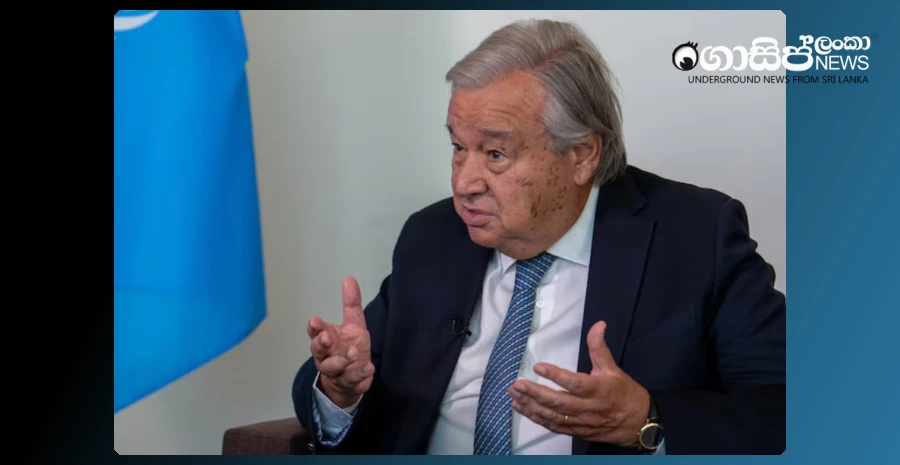
The military intervention carried out under the orders of US President Donald Trump to arrest Venezuelan President Nicolas Maduro has been severely criticized by the United Nations. The United Nations, calling this action a "dangerous precedent," has expressed deep concern about its potential adverse effects.
These views were expressed at a meeting they held, but no official statement or action has been taken yet. The UN Secretary-General and the Human Rights Chief emphasized that full respect must be given to international law and the UN Charter, and that the crisis in Venezuela should be resolved peacefully without military intervention.Following this incident, Venezuela has officially requested an immediate emergency meeting of the United Nations Security Council. Venezuela argues that this action by America violates the principle of preventing the use of force and that it endangers international peace and security. The United Nations and its human rights experts have warned that such interventions could have serious consequences for regional stability and set a very negative precedent for future international relations.
Although the United Nations Security Council has not yet issued an official statement regarding these attacks, the Security Council is expected to meet soon at Venezuela's request. Venezuela's ambassador has sent a letter to the Security Council, stating that the American attacks should cease and that Washington is responsible for these aggressive actions, and requesting that these actions be condemned. However, analysts point out that since the United States holds veto power in the Security Council, the actions the Council can take may be limited.
According to international law, military intervention in the internal affairs of a foreign country is governed by the United Nations Charter. According to Article 2(4) of the Charter, except in cases of self-defense (Article 51) or when approved by the United Nations Security Council, the use of force against the territorial integrity or political independence of any other state is prohibited.
The American action against Venezuela has not received any Security Council approval, and the US has also failed to justify it as a measure taken in self-defense under international law. Therefore, many legal scholars and international organizations consider this intervention a violation of international law and the United Nations Charter. Venezuela and several other countries have condemned this act as an illegal aggression.