![Gossip Lanka News [English]](https://blogger.googleusercontent.com/img/a/AVvXsEhYm2aFFq-bIW1nWX-RrqnPFoIsVos6_VCVz8BpLt0QJi55GNXHXC2fugeRvL0qUStEuCfs7Sfu6ZiSlhrkldxfGuE_wzy5gitY6rMZ2KSi8VBbGvkgXLks37RwZV-4-HKbWiNLRxB8C_r1e4z3mpxFTMPDJPEADoG8E-bZteWFipeD5KNGbjvCfqEfKw=s300 "Gossip Lanka News [English]")
The interim ceasefire agreement reached between the US and Iran last June has completely collapsed, and conflicts around the Strait of Hormuz have severely escalated. Over the past 24 hours, the US Central Command (CENTCOM) has launched a series of massive air and naval attacks targeting coastal and military installations in Iran, including Bushehr, Bandar Abbas, and Chabahar.
In addition to fighter jets and drones, 'Corsair' unmanned surface vessels were used for the first time in these attacks, targeting a submarine maintenance section at the Bandar Abbas naval base. US President Donald Trump, stating that the objective is to cripple Iran's offensive capabilities, has also officially informed the Congress about this.The immediate cause of this severe wave of attacks was the Iranian Revolutionary Guard Corps (IRGC) launching cruise missile attacks on two oil tankers, 'Mombasa' and 'Al Bahiyah', linked to the United Arab Emirates, in Omani waters of the Strait of Hormuz. The attack caused a fire on the ships, killing an Indian national sailor and injuring eight others. Although Iran claims this action was taken because the ships entered a prohibited zone despite warnings, this incident has nullified the remaining parts of the peace agreement reached in June.
In response to the American attacks, the Iranian Revolutionary Guard Corps launched a series of missile and drone attacks targeting American military bases in Bahrain, Kuwait, Qatar, Oman, and Jordan. Air raid sirens sounded at Juffair and Sheikh Isa bases in Bahrain, and attacks were also launched against Camp Arifjan and Ali Al Salem Air Base in Kuwait. While Qatar and the United Arab Emirates shot down some Iranian missiles, and no major American casualties have been reported, Iranian media claims that their attacks caused severe damage to American radar and fuel depots.
Meanwhile, US President Donald Trump has ordered the imposition of full naval sanctions, blocking Iranian ports and traffic in the Strait of Hormuz. Trump, who introduced himself as the chief custodian of the Strait of Hormuz, stated that while he would allow free passage for other countries, Iran would be completely blocked. Furthermore, Trump has proposed levying a 20 percent tax on the value of goods on ships passing through the strait to cover America's defense costs, which overturns traditions of international maritime freedom.
Further escalating regional tensions, Russia's 'Doomsday' or 'flying Kremlin' Tu-214PU special aircraft, designed to command in a disaster, has flown from Moscow to Tehran. Although neither Russia nor Iran has made an official statement about this clandestine flight over the Caspian Sea, commentators view it as a demonstration of the armed cooperation between Russia and Iran in the face of American attacks and an indication of Russian advisory support.
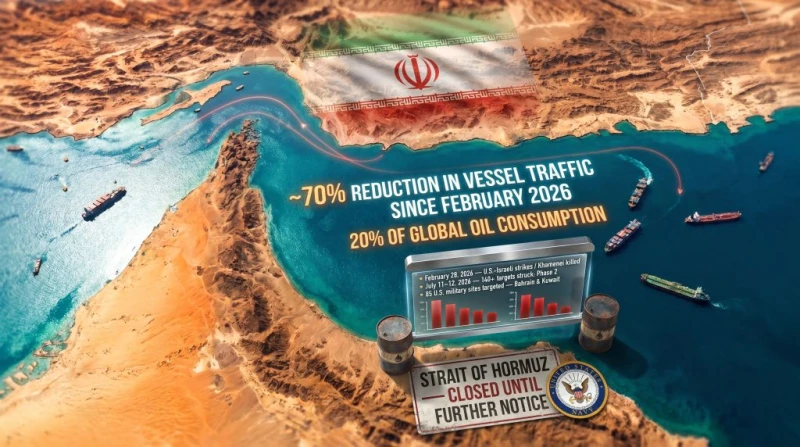
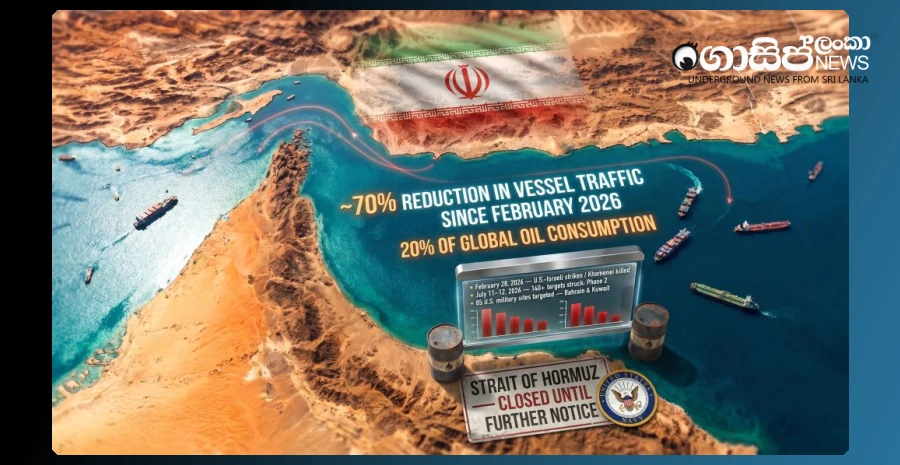
Due to this wartime atmosphere and the imposition of sanctions, crude oil prices in the world market have risen sharply, with Brent crude oil reaching between $79 and $84 per barrel. Since the start of the conflict, maritime traffic in the Strait of Hormuz has fallen by approximately 70 percent, and insurance premiums and the cost of rerouting ships have also increased. Although the US states that the strait remains open, Iran's declaration that it has closed certain sections has put the global energy sector at severe risk.
Iranian state media reports that several Iranian civilians and military personnel, including an employee of the Bandar-e Mahshahr water treatment plant, have been killed and others injured in attacks over the past 24 hours. Meanwhile, the Iranian Joint Armed Forces Command Headquarters has issued a stern warning to countries in the Gulf region, stating that any country supporting the US will be considered to have declared war against them and will be attacked. The United Arab Emirates has reserved the right to respond to the attacks on its ships, and UN Secretary-General António Guterres has expressed deep concern over the situation, urging both parties to immediately reach a diplomatic solution.