![Gossip Lanka News [English]](https://blogger.googleusercontent.com/img/a/AVvXsEhYm2aFFq-bIW1nWX-RrqnPFoIsVos6_VCVz8BpLt0QJi55GNXHXC2fugeRvL0qUStEuCfs7Sfu6ZiSlhrkldxfGuE_wzy5gitY6rMZ2KSi8VBbGvkgXLks37RwZV-4-HKbWiNLRxB8C_r1e4z3mpxFTMPDJPEADoG8E-bZteWFipeD5KNGbjvCfqEfKw=s300 "Gossip Lanka News [English]")
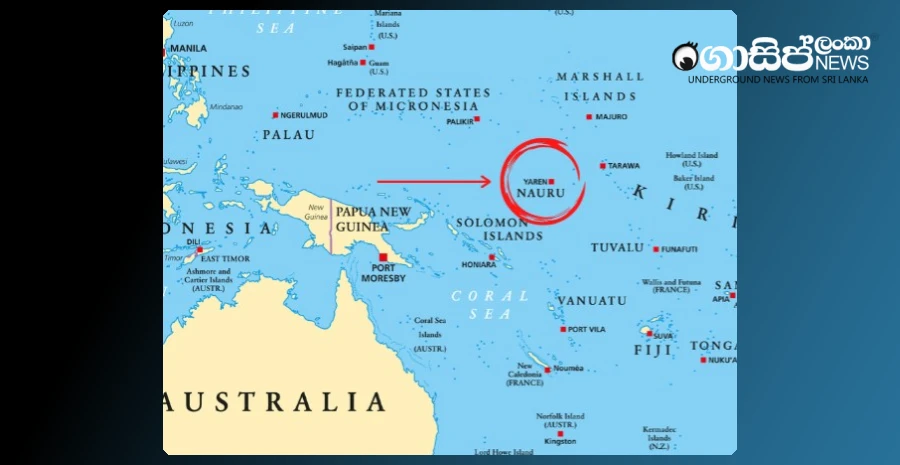
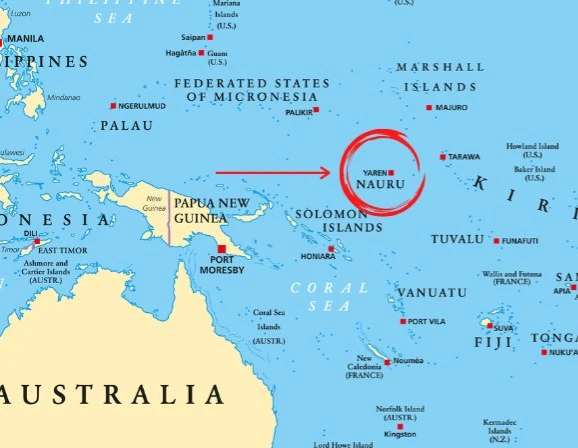
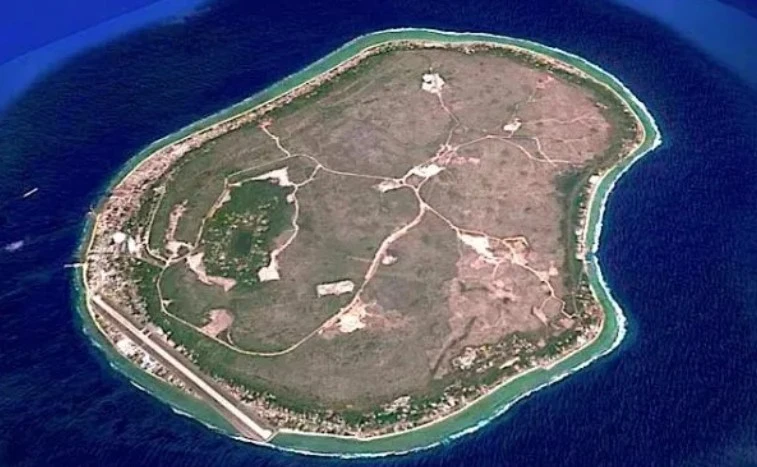
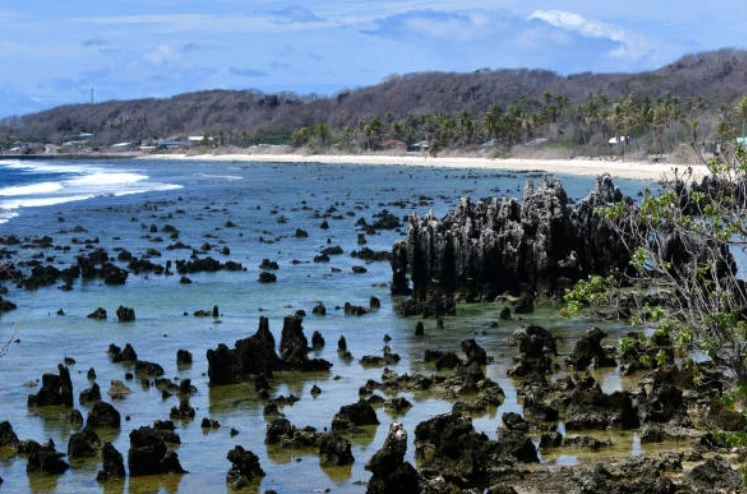
Nauru, the world's smallest republic, is currently preparing to change its name to 'Naoero' with the aim of shedding its colonial past and reaffirming its indigenous identity, language, and heritage. The proposal, submitted to the country's parliament by President David Adeang last January, faced no opposition and is expected to be officially confirmed through a referendum with the votes of its approximately 13,000 citizens.
The government states that the name Nauru was given to this island nation in the past for the convenience of foreigners, as its indigenous name was difficult for them to pronounce correctly.This island, located about 3000 kilometers northeast of Australia, was discovered by a British navigator in 1798 and named 'Pleasant Island' due to its beauty. Subsequently, it was governed by Germany in 1888 and Australia in 1919, before gaining independence in 1968. American Professor Solton Grossman points out that changing names in this manner during the colonial era was an essential aspect of demonstrating colonial power, and countries like Turkey (Türkiye) and Eswatini have previously removed such colonial names. Meanwhile, New Zealand is considering 'Aotearoa,' and the Cook Islands are looking into removing the name of British national James Cook.
Meanwhile, news is also reported about an American fisherman who accidentally caught an extremely rare great white shark off the coast of Nantucket, Massachusetts, USA, and safely released it back into the sea. This individual, named Elliott Sudal, posted a video on his Instagram social media account, demonstrating how to safely catch and release ocean predators as an example for others. The shark was accidentally caught on a hook while he was checking the water on Sunday.
He states that he was not targeting this white shark at all, and upon seeing the fin of the animal that accidentally took the bait, he immediately understood the situation, removed the hook, and released it back into the sea within a short period of about 15 seconds. Having caught over 1000 sharks in Nantucket over 13 years, he mentioned that this was the first time he had caught such a giant white shark, which is listed as a vulnerable species according to the International Red Data Book. Although catching such sharks is prohibited by law, the country's National Oceanic and Atmospheric Administration states that there are instances where they are accidentally caught in fishing nets, and Sudal further hopes that by watching this video, other fishermen will also learn to use the correct equipment to safely release such animals.