![Gossip Lanka News [English]](https://blogger.googleusercontent.com/img/a/AVvXsEhYm2aFFq-bIW1nWX-RrqnPFoIsVos6_VCVz8BpLt0QJi55GNXHXC2fugeRvL0qUStEuCfs7Sfu6ZiSlhrkldxfGuE_wzy5gitY6rMZ2KSi8VBbGvkgXLks37RwZV-4-HKbWiNLRxB8C_r1e4z3mpxFTMPDJPEADoG8E-bZteWFipeD5KNGbjvCfqEfKw=s300 "Gossip Lanka News [English]")
On the night of June 24, a powerful double earthquake struck several areas in Venezuela, including Caracas, leading to widespread building collapses, personal injuries, and a high risk of significant loss of life. The earthquake occurred around 10:04 PM local time (approximately 6:04 PM Eastern Time) and is reported as the most severe natural disaster to affect the region in recent history.
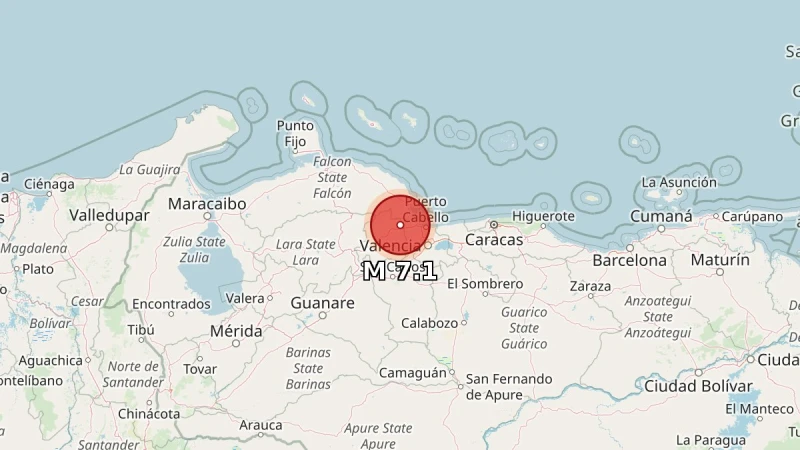
The United States Geological Survey (USGS) has estimated that the death toll could exceed 100,000.First, a foreshock with a magnitude of 7.2 on the Richter scale occurred near San Felipe in Yaracuy state, at a depth of approximately 20-22 kilometers. A very short time later, about 39-40 seconds, the main earthquake with a magnitude of 7.5 on the Richter scale struck, centered in the Yumare area of the same state, at a shallow depth of about 10 kilometers. The epicenters of these earthquakes, which originated near the Boconó fault system, were located 100 to 170 kilometers west of the capital, Caracas, and strong tremors were felt in Caracas and surrounding areas.
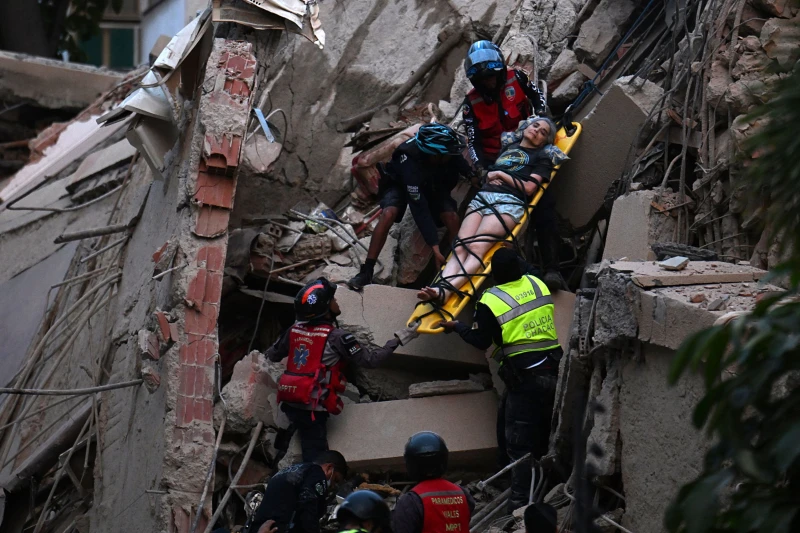
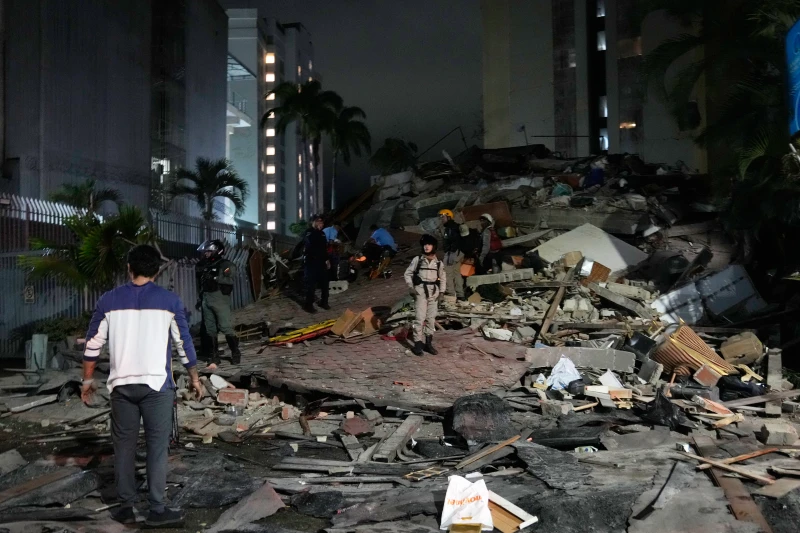
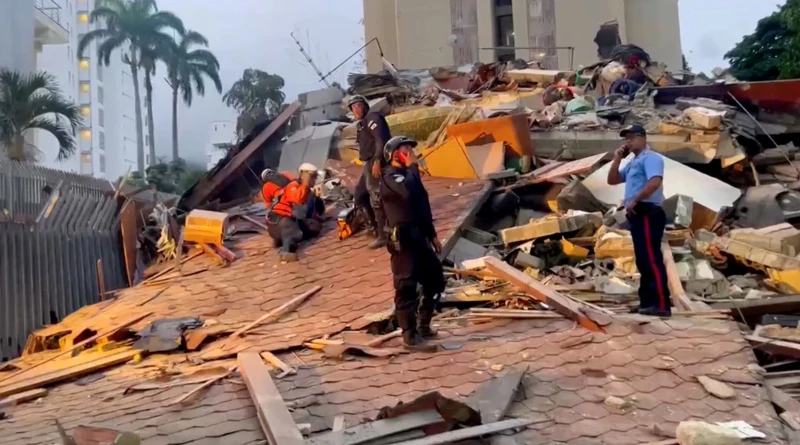
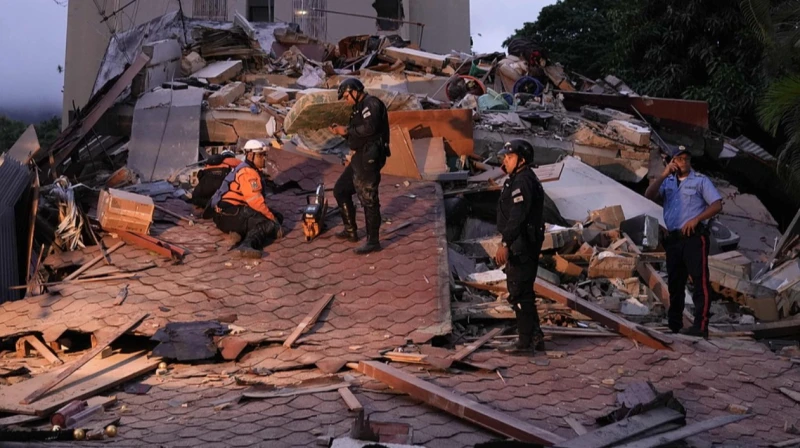
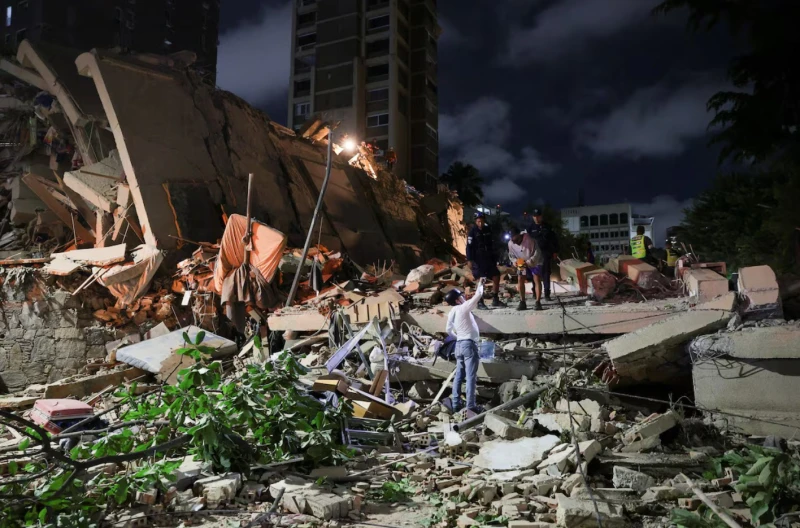
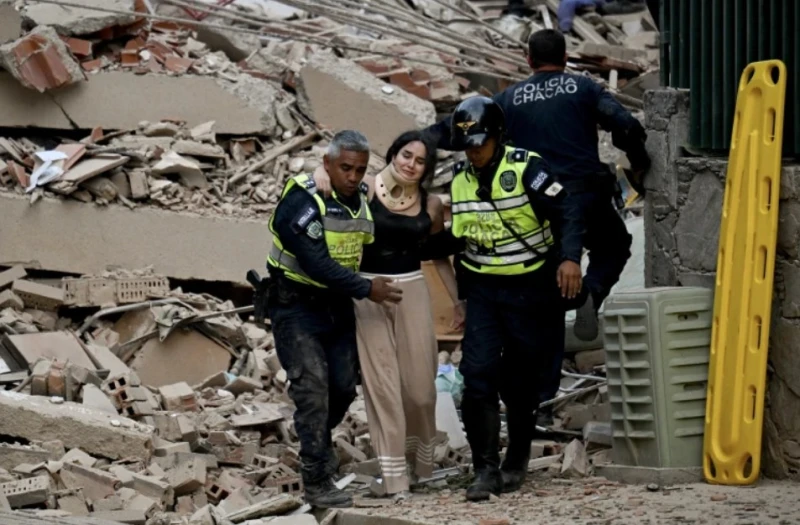
Following the earthquake, short-term tsunami warnings were issued for several parts of the Caribbean region, including Aruba, Bonaire, and Puerto Rico, although no large tsunami waves were reported. However, the Bancaribe building in Caracas, as well as multiple structures in areas like Baruta, Chacao, and La Guaira, completely collapsed. Search and rescue operations for those trapped in the rubble were carried out at night with the aid of flashlights. Currently, at least 3 deaths have been reported from one municipality alone, and a large number of other individuals have been injured, including 32 hospitalized in the Falcón region.
The United States Geological Survey (USGS) has issued a 'Red Alert' regarding this, and their models indicate that under the worst-case scenarios, the death toll could reach thousands or even exceed one hundred thousand. Due to this disaster, the country has experienced power outages, airport and school closures, and severe damage to the road network. With approximately 20 aftershocks reported, frightened residents have taken to the streets. In light of the current situation, Venezuela's acting President Delcy Rodríguez has declared a state of emergency in the country.
Due to its location near the Caribbean and South American tectonic plate boundaries, Venezuela is a geologically active zone, and this earthquake is considered the most powerful to affect the country in over a century. Previously, the 1812 Caracas earthquake, with a magnitude of 7.7 on the Richter scale, killed between 15,000 and 20,000 people. In 1967, a 6.6 magnitude earthquake resulted in approximately 300 deaths. Furthermore, 73 deaths were reported in 1997, and the 7.3 magnitude earthquake that occurred offshore in 2018 caused limited damage.
Due to the shallow depth of this earthquake, the tremors in populated areas have intensified, and there is a high risk of landslides and soil liquefaction. Scenes of the stadium shaking during a baseball game in Caracas and people frantically running out are circulating on social media. Venezuela's existing economic and political crises have led to poor infrastructure and limited resources, which could hinder relief efforts. International aid is already being prepared.