![Gossip Lanka News [English]](https://blogger.googleusercontent.com/img/a/AVvXsEhYm2aFFq-bIW1nWX-RrqnPFoIsVos6_VCVz8BpLt0QJi55GNXHXC2fugeRvL0qUStEuCfs7Sfu6ZiSlhrkldxfGuE_wzy5gitY6rMZ2KSi8VBbGvkgXLks37RwZV-4-HKbWiNLRxB8C_r1e4z3mpxFTMPDJPEADoG8E-bZteWFipeD5KNGbjvCfqEfKw=s300 "Gossip Lanka News [English]")
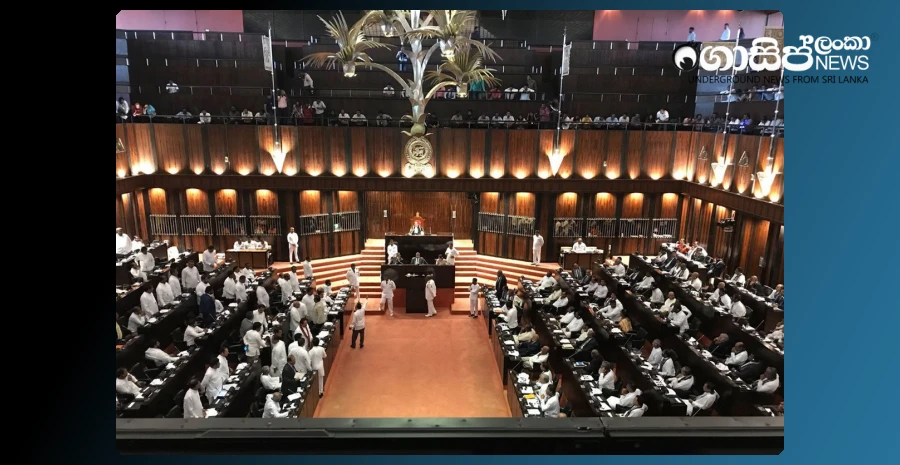
The new Inland Revenue Bill, introducing stricter rules and a more stringent compliance framework for taxpayers within Sri Lanka's tax administration system, was passed in Parliament last Tuesday (19) with Committee Stage amendments. These new statutory reforms grant authorities broad powers to take strict action against tax evaders and to treat tax administration defaults as criminal offenses.
Experts point out that certain matters previously treated leniently as mere administrative delays will henceforth become offenses punishable under criminal law, marking a significant turning point in the tax sector.A key feature of this new series of laws is Section 185A, newly added to the Inland Revenue framework by Section 34 of the Act. This formalizes the process of criminal prosecution against taxpayers who fail to fulfill five key statutory obligations, including tax registration, filing annual returns, providing information requested by authorities in a timely manner, and appearing for investigations when summoned by the Department of Inland Revenue. Under this, taxpayers who fail to comply even after a 30-day prior notice from the Commissioner General of Inland Revenue can be fined up to Rs. 400,000, imprisoned for up to six months, or both. However, the Supreme Court has also affirmed this section, noting that taxpayers will receive adequate warning and an opportunity to rectify deficiencies before these stringent actions are taken.
Furthermore, Section 31(4) of the Act has introduced a significant change to the tax collection process, allowing for the recovery of unpaid and evaded taxes through Magistrate's Court proceedings, treating them as fines imposed by the court. In cases where individuals fail to provide sufficient and reasonable grounds for non-payment of taxes, there is a severe risk of imprisonment under criminal procedure laws. Tax analysts point out that this measure is a result of a broader effort to improve the government's tax revenue collection mechanism and compliance with regulations under the economic program implemented with the support of the International Monetary Fund.
However, considering the objections from various stakeholders and the intervention of the Supreme Court, policymakers have worked to remove or relax some controversial provisions. As pointed out by Mr. Suresh Perera, Head of Tax and Regulatory at KPMG Sri Lanka, the government has taken steps to remove several contentious clauses during the Committee Stage, including the "evidentiary lockout" provision which permanently prevented taxpayers from submitting relevant documents after strict deadlines set by the Department of Inland Revenue in appeal or court processes. Furthermore, the Supreme Court's prevention of the Department of Inland Revenue from initiating forced recovery processes for relevant amounts while administrative reviews or appeals are pending before the Tax Appeals Commission is another significant relief for taxpayers.