![Gossip Lanka News [English]](https://blogger.googleusercontent.com/img/a/AVvXsEhYm2aFFq-bIW1nWX-RrqnPFoIsVos6_VCVz8BpLt0QJi55GNXHXC2fugeRvL0qUStEuCfs7Sfu6ZiSlhrkldxfGuE_wzy5gitY6rMZ2KSi8VBbGvkgXLks37RwZV-4-HKbWiNLRxB8C_r1e4z3mpxFTMPDJPEADoG8E-bZteWFipeD5KNGbjvCfqEfKw=s300 "Gossip Lanka News [English]")
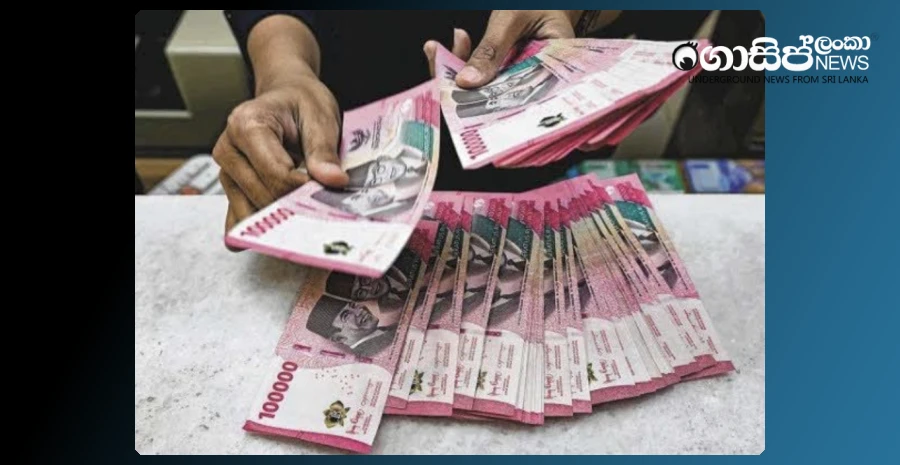
With the Indonesian Rupiah's value falling to a record low, a strong discussion has emerged within the country's society, and there is pressure on the central bank governor to resign from his post. Last week, the Indonesian Rupiah's value against the US dollar was recorded at 17,600, which economic analysts point out is an تجاوز of the 16,800 limit recorded during the 1998 economic crisis.
In light of this situation, Indonesian Central Bank Governor Perry Warjiyo faced intense questioning before parliament, and Primus Yustisio, a Member of Parliament from the National Executive Party, directly suggested that he resign from his position.However, Indonesian President Prabowo Subianto and his administration appear to be downplaying the crisis, stating that the country's fundamental economic base remains strong. At a recent event in East Java, the President stated that there was no need to panic because rural communities do not use dollars and the country's food and energy security are assured. However, Finance Minister Purbaya Yudhi Sadewa later somewhat softened the President's statement, clarifying that it was merely an attempt to boost public morale and that the government was not taking the situation lightly.
In response to the President's remarks, satirical videos and memes proliferated on Indonesian social media. Videos by social media activists like Nuzulia Rahma and Raka Dion, viewed by millions, mocked the real problems faced by rural communities. Bhima Yudhistira, Executive Director of the Center for Economic and Legal Studies, points out that even if rural communities do not use dollars, the depreciation of the currency directly affects them because imported soybeans are used to produce local foods like tempeh and tofu, which they consume. Furthermore, since pesticides and fertilizers used by local farmers are also imported, ordinary people are already feeling the negative consequences of this crisis in their daily lives.
The only positive outcome of this crisis, according to data from the Indonesian Ministry of Tourism, is an increase in foreign tourist arrivals. Specifically, due to the Rupiah's historic depreciation to 13,700 against the Singapore dollar, total foreign tourist arrivals increased by 8.6% in the first quarter of 2026, and Singaporean tourist arrivals to areas like Batam increased by 10.4%. However, economic experts emphasize that the main reason for the Rupiah's depreciation is the strong distrust among investors. They further point out that the widening budget deficit due to populist government policies, such as free food programs for schoolchildren, has contributed to this, and that transparency in financial policies must be ensured to regain that trust.