![Gossip Lanka News [English]](https://blogger.googleusercontent.com/img/a/AVvXsEhYm2aFFq-bIW1nWX-RrqnPFoIsVos6_VCVz8BpLt0QJi55GNXHXC2fugeRvL0qUStEuCfs7Sfu6ZiSlhrkldxfGuE_wzy5gitY6rMZ2KSi8VBbGvkgXLks37RwZV-4-HKbWiNLRxB8C_r1e4z3mpxFTMPDJPEADoG8E-bZteWFipeD5KNGbjvCfqEfKw=s300 "Gossip Lanka News [English]")
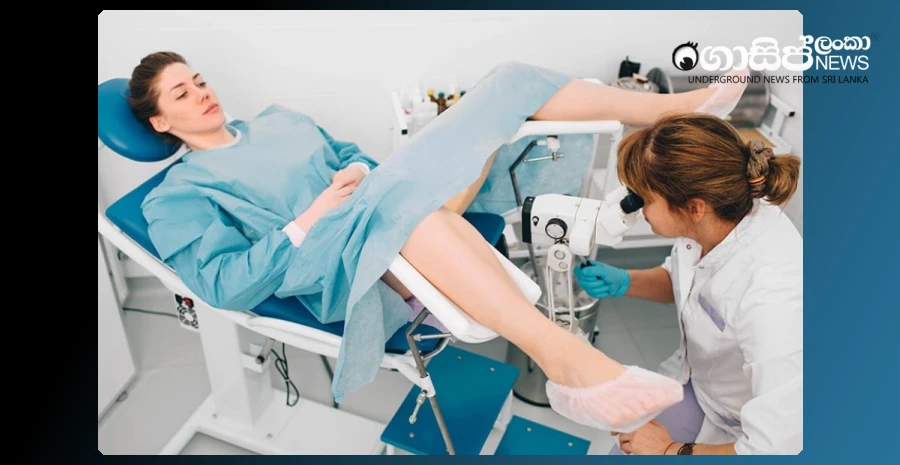
The Ministry of Health has taken steps to add 18 state-of-the-art Colposcopy machines to the government hospital system to identify cervical cancer, which ranks fifth among the most common types of cancer among women in the country, at an early stage and provide necessary treatment more efficiently. Under this program, 12 machines have already been delivered to hospitals this year for the well-being of patients in the country, and all arrangements have been made to install the remaining 06 machines within the next month, according to the Ministry of Health and Mass Media.
Over 72 million rupees have been spent on this project, with the value of each machine purchased being approximately 6 million rupees.Currently, these modern medical devices have been successfully installed in major hospitals in several districts including Anuradhapura, Badulla, Batticaloa, Jaffna, Kurunegala, Kandy, Gampaha, Monaragala, Puttalam, Hambantota, Matara, and the De Soysa Hospital for Women in Colombo. In addition, plans are underway to install the remaining 06 colposcopy machines in teaching and district general hospitals located in Ampara, Ragama, Kalutara, Kuliyapitiya, Matale, and Vavuniya by June. Over 42 million rupees have been allocated for these remaining machines.
Authorities have also replaced five of the oldest colposcopy machines previously used in the government hospital sector with five new modern machines. After the installation of all these new modern machines is completed, the total number of colposcopy machines in the government hospital system for cervical cancer screening and treatment will increase to 33. The primary objective of the Ministry of Health is to bring essential medical services closer to the public, covering the entire island.
Colposcopy is a specialized medical procedure used to accurately examine abnormalities in the cervix and vagina of women. According to the National Cancer Control Program, cervical cancer is a disease caused by the Human Papilloma Virus, and it can be completely prevented if detected in its pre-cancerous stage. According to the latest data reports from the National Cancer Control Program, approximately 1200 new cervical cancer patients are identified annually in Sri Lanka, and nearly 180 patients die each year due to a lack of proper understanding of the disease and not receiving timely and appropriate treatment.