![Gossip Lanka News [English]](https://blogger.googleusercontent.com/img/a/AVvXsEhYm2aFFq-bIW1nWX-RrqnPFoIsVos6_VCVz8BpLt0QJi55GNXHXC2fugeRvL0qUStEuCfs7Sfu6ZiSlhrkldxfGuE_wzy5gitY6rMZ2KSi8VBbGvkgXLks37RwZV-4-HKbWiNLRxB8C_r1e4z3mpxFTMPDJPEADoG8E-bZteWFipeD5KNGbjvCfqEfKw=s300 "Gossip Lanka News [English]")
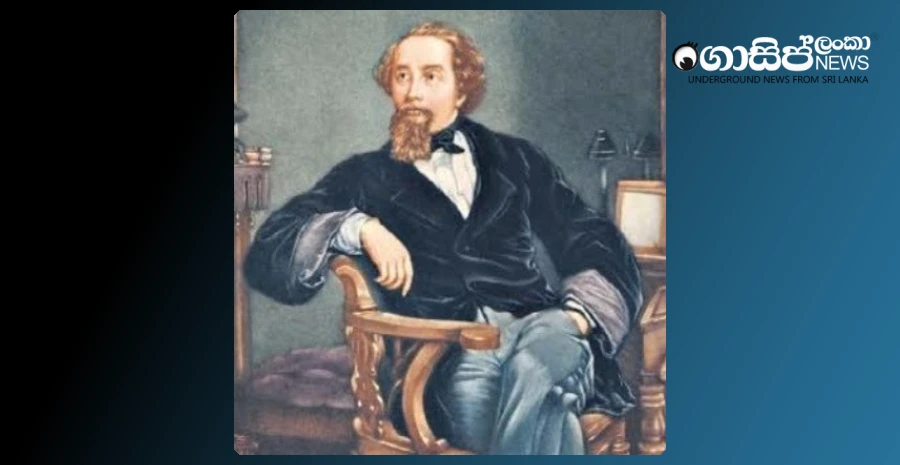
The Guildhall Museum in Rochester, Kent, has taken steps to strongly condemn the 'biased' views of the famous English writer Charles Dickens and his support for the British Empire. Although there are exhibition spaces dedicated to Dickens, appreciating his works and creations, the museum authorities have issued a special series of internal guidelines to educate their staff about his 'regrettable' ideologies.
The internal document points out to employees that he held views that could cause great displeasure and controversy in contemporary society.According to these new guidelines, it is clarified that Dickens supported the British Empire not by appreciating its diversity. Instead, the author of the famous "Great Expectations" believed that the British Empire was an excellent way to turn the entire world into a white, middle-class England. Museum records indicate that Dickens attempted to establish a direct link between race and moral values on several occasions through his writings.
Rochester is a city deeply connected to Dickens' life. New exhibition spaces were opened in 2022 by the current Queen in the museum of this city, which is located near Chatham, where he spent his childhood, and Higham, where he lived after becoming an established writer. However, while celebrating his works, the museum rejects this dark aspect of his creative career, namely his unwillingness to recognize the universal values of other nations and cultures. In particular, he ridiculed missionaries engaged in charitable and religious activities abroad in the 19th century, believing that such aid should be directed to communities within Britain itself.
The relevant guidelines indicate that this clearly reflects a sense of national supremacy based on his understanding of the importance of the British Empire. Furthermore, his statements calling for revenge against foreigners after the 1857 Indian Rebellion and his ridicule of foreign customs have also been highlighted. The museum acknowledges that even at that time, there were important individuals who advocated for the value of all people and cultures without racial discrimination, but Dickens did not think so. However, the staff guidelines further state that it is surprising that such biased ideas emerged from a writer who strongly criticized American slavery and its cruelty, and supported the abolition of slavery.
