![Gossip Lanka News [English]](https://blogger.googleusercontent.com/img/a/AVvXsEhYm2aFFq-bIW1nWX-RrqnPFoIsVos6_VCVz8BpLt0QJi55GNXHXC2fugeRvL0qUStEuCfs7Sfu6ZiSlhrkldxfGuE_wzy5gitY6rMZ2KSi8VBbGvkgXLks37RwZV-4-HKbWiNLRxB8C_r1e4z3mpxFTMPDJPEADoG8E-bZteWFipeD5KNGbjvCfqEfKw=s300 "Gossip Lanka News [English]")
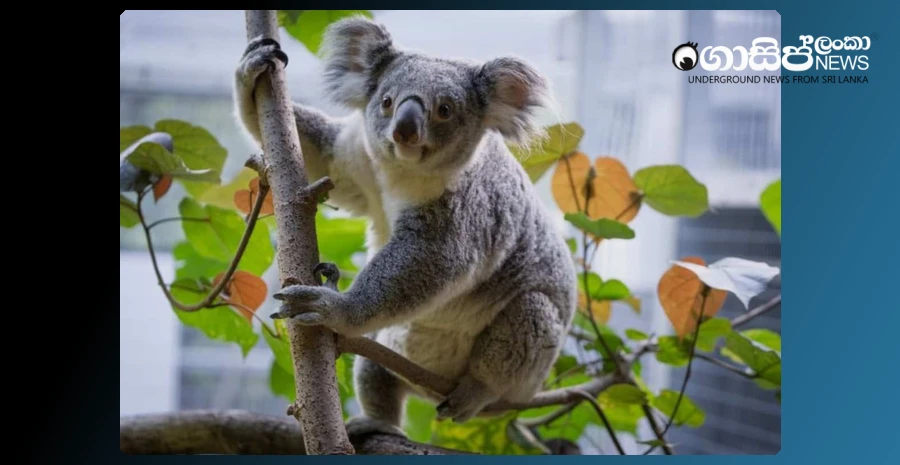
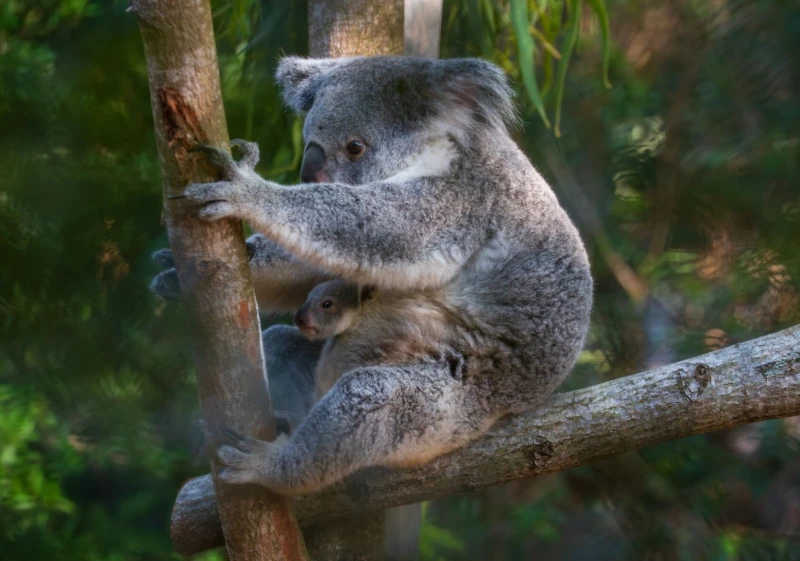
Beautiful creations of nature often unfold in secrecy, a fact beautifully illustrated by the recent unveiling of a tiny creature's face to the world, after nearly seven months of hidden growth within its mother's warm pouch. This little koala joey, which was no bigger than a jelly bean at birth, is now peeking out from its mother's body, seemingly eager to experience the wonders of the environment.
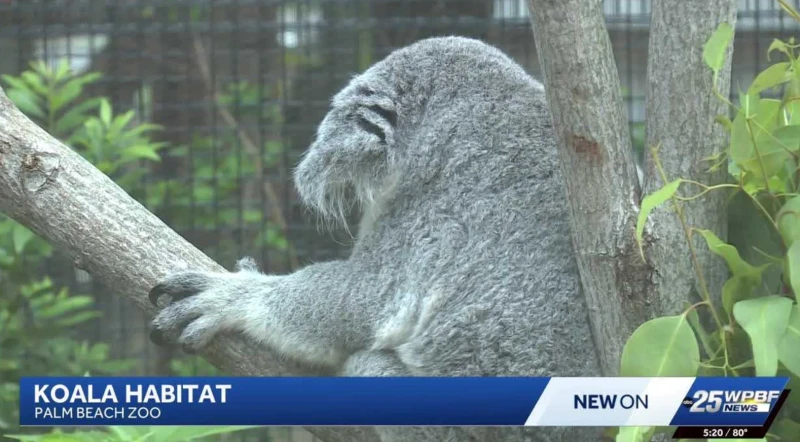
April 2026 is a special month for the Palm Beach Zoo in Florida, USA, as it marks the first koala birth in their history. This tiny joey, born to mother 'Elin' and father 'Sydney' last September, safely grew within its mother's pouch for several months. Coinciding with this wonderful birth, a special habitat named "Outback," newly constructed specifically for them, was also opened to the public on April 25th, marking a significant event.
The arrival of this tiny joey brought immense joy to both the zoo staff and visitors. According to Amarilys Celestina, a supervisor of animal care, no one was able to see the joey's face for several months after its birth. "We were very excited. Although the joey was born in September, we didn't get to see it until April," she said. In early April, only two tiny feet were visible, but now it is almost completely poking its head out and looking around, winning everyone's affection. The dedication shown by the zoo staff in providing extra nutrition to mother Elin and lovingly stroking her to gain her trust was extremely important here.
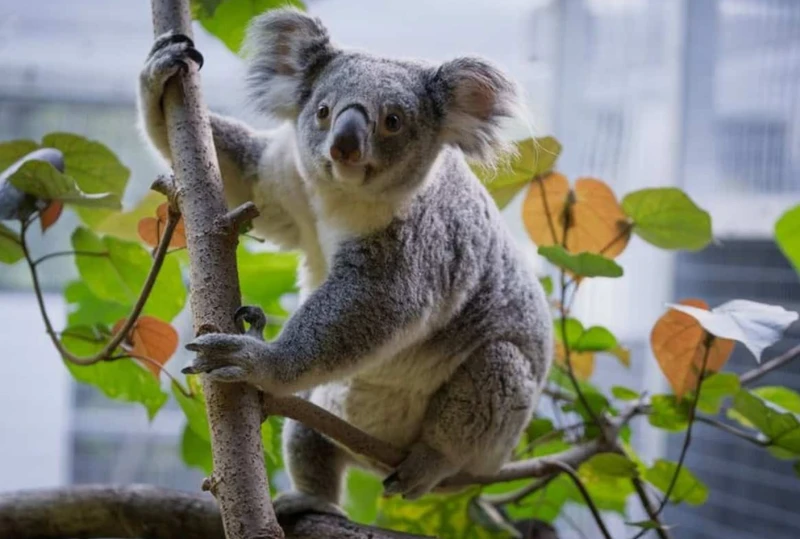
This is not merely the birth of one animal, but a successful step taken for the survival of the entire koala population, which is threatened with extinction in the wild. This birth is considered part of a massive program to preserve the genetic diversity of these animals, brought to America for conservation purposes under a loan agreement with the Australian government. Their newly renovated habitat has also been designed to be as close as possible to their natural environment. It features tube systems that allow sunlight to flow in, climate-controlled indoor zones, and natural branches for them to climb freely. Notably, over 120 'earleaf acacia' trees, an invasive plant in Florida, have been used to stimulate the koalas' natural behaviors, which is a wonderful eco-friendly approach.
However, caring for koalas, a highly sensitive animal species, in a foreign land thousands of miles from their homeland is not an easy task. The silent battle over whether the joey would survive the first six months spent in its mother's pouch under extreme vulnerability has now been successful, but adapting to the environment in the coming months is another critical milestone. Margo McKnight, the zoo's CEO, points out that this new habitat is an extremely important milestone in the lives of their koalas.
By the upcoming summer, this little koala joey, ready to freely roam on its mother's back, conveys to the world a sensitive reminder of humanity's generational responsibility to protect nature's most innocent creatures.