![Gossip Lanka News [English]](https://blogger.googleusercontent.com/img/a/AVvXsEhYm2aFFq-bIW1nWX-RrqnPFoIsVos6_VCVz8BpLt0QJi55GNXHXC2fugeRvL0qUStEuCfs7Sfu6ZiSlhrkldxfGuE_wzy5gitY6rMZ2KSi8VBbGvkgXLks37RwZV-4-HKbWiNLRxB8C_r1e4z3mpxFTMPDJPEADoG8E-bZteWFipeD5KNGbjvCfqEfKw=s300 "Gossip Lanka News [English]")
With the breakdown of critical peace talks between the United States and Iran in Islamabad, Pakistan, the Middle East region is once again embroiled in intense war tensions. US Vice President J.D.
These prolonged discussions, which lasted for 21 hours between a high-level delegation led by Vance and Iranian representatives, concluded without any agreement on the night of April 12.The Vice President stated that despite his side presenting the best and final proposal, the talks failed, while Iran accused America of making unreasonable demands. However, the US points out that Iran's rigid stance on nuclear issues and access to the Strait of Hormuz led to this failure. Thus, with the breakdown of this highest-level direct engagement since the military situation began in late February 2026, the fragile two-week ceasefire, which had been in effect since April 8, is now completely at risk.
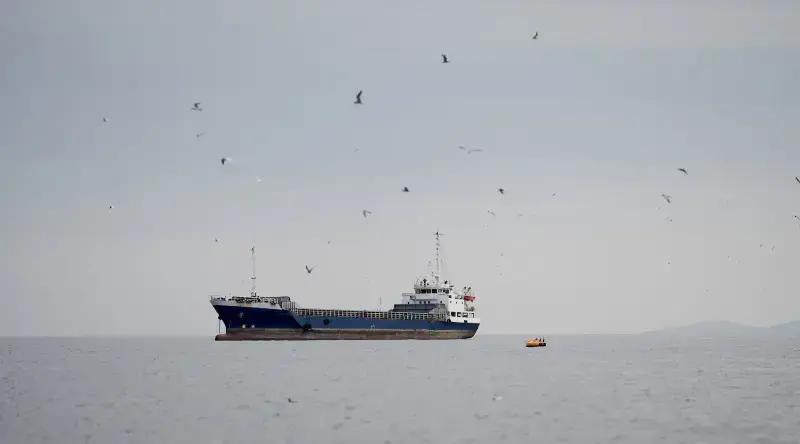
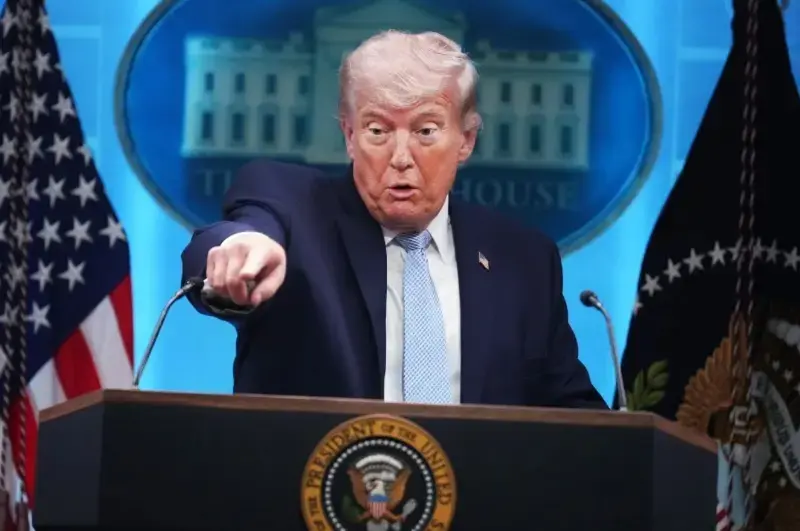
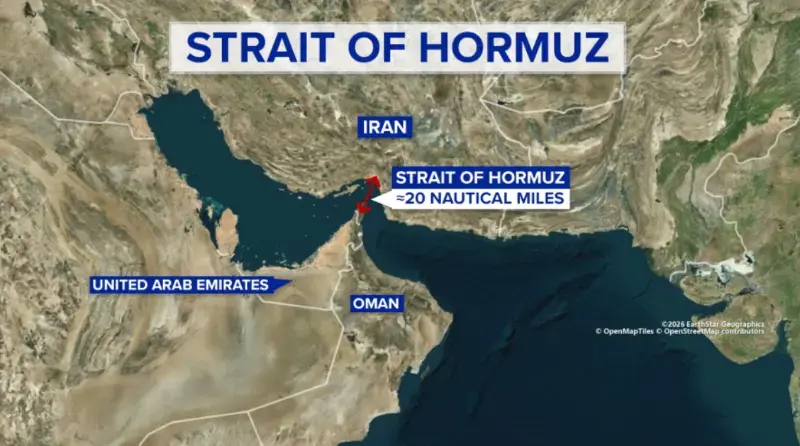
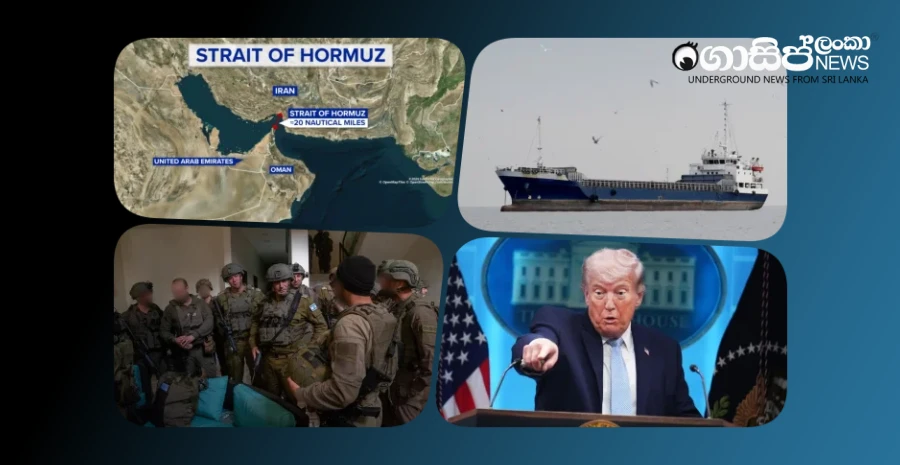
Hours after the failure of these talks, US President Donald Trump ordered the country's navy to impose a full naval blockade targeting all Iranian ports and coastal areas. These blockades are scheduled to begin at 10:00 AM Eastern Standard Time on Monday, centered around the Strait of Hormuz, through which approximately 20% of the world's oil supply is transported. President Trump has issued a stern warning that any Iranian party attempting to block the strait will face severe attacks, stating that his objective is to ensure a safe passage. This has already led to a rapid increase in global oil prices, creating the largest energy crisis the world has faced since the 1970s.
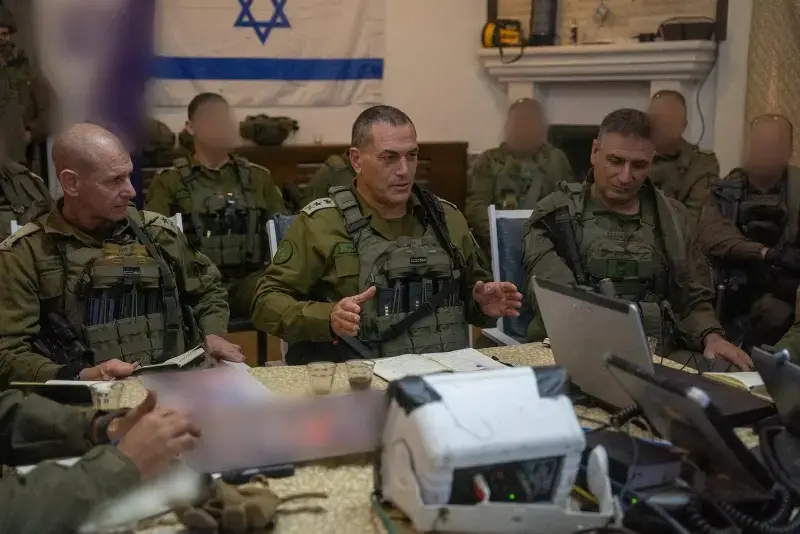
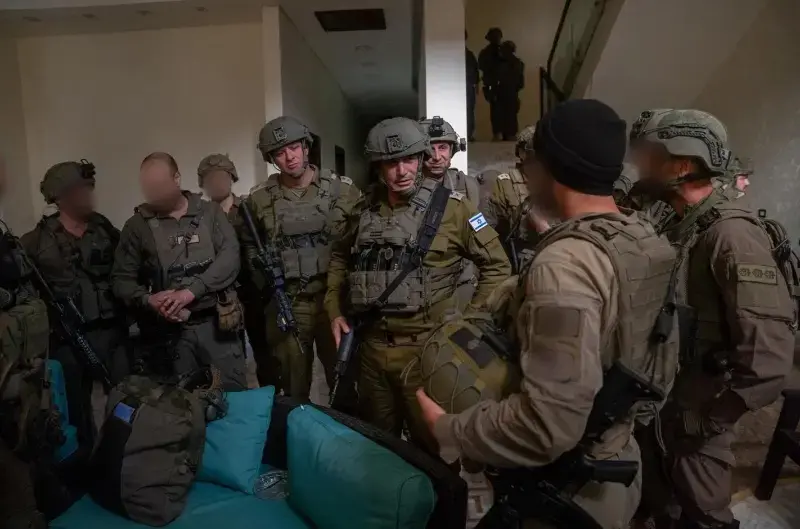
Coinciding with this strong action by America, Israel has also ordered its forces to be at the highest level of readiness to re-engage in war with Iran. Israeli Chief of Staff Eyal Samir has instructed all units to attack Iranian infrastructure and energy centers and has taken steps to broaden attack targets and minimize response time. Although no attacks have been launched on Iranian territory in the past 24 hours, Israeli defense sources confirm that Israel is awaiting President Trump's approval to launch a direct attack. Prime Minister Benjamin Netanyahu has stated that further action against the Iranian regime will be necessary in the future, and there is a high risk that this could escalate into a multi-front conflict, in addition to Israel's ongoing operations against Hezbollah in Lebanon.
Meanwhile, Iran's Islamic Revolutionary Guard Corps (IRGC) has issued a stern warning that any foreign military vessel approaching the Strait of Hormuz will face an extremely brutal and decisive response. A senior military advisor to Iran's Supreme Leader has stated that the American naval blockade is destined to fail completely, and Iran emphasizes that its government has full control over the strait and that under the current circumstances, only non-military vessels are permitted to pass. Although Iran has not launched new missile or drone attacks on American or Israeli targets in the past 24 hours, a pro-government rally held in Tehran indicates that they have not been deterred by American actions. This situation significantly increases the risk of direct naval confrontations, as well as Iran's potential to use asymmetric warfare tactics through sea mines or fast attack boats.
Due to this crisis, which has emerged with the breakdown of peace talks and the imposition of naval sanctions, the entire region faces the threat of being drawn into a full-scale war once again. Israel has intensified its operations by attacking over 100 targets in Lebanon, further complicating Lebanese ceasefire negotiations. With reports that China is preparing to provide air defense systems to Iran, Donald Trump has also issued a strong warning to them. The breakdown of talks mediated by Pakistan clearly reflects the intense pressure on diplomatic relations. Economic analysts point out that global food security is also at severe risk due to rising global energy costs and disruptions in fertilizer supply. Although no casualties have been reported in the past 24 hours, there is fear that the impact of this conflict could rapidly spread to naval traffic in the Gulf region, trade routes in the Red Sea, as well as armed groups like the Houthis and Hezbollah.