![Gossip Lanka News [English]](https://blogger.googleusercontent.com/img/a/AVvXsEhYm2aFFq-bIW1nWX-RrqnPFoIsVos6_VCVz8BpLt0QJi55GNXHXC2fugeRvL0qUStEuCfs7Sfu6ZiSlhrkldxfGuE_wzy5gitY6rMZ2KSi8VBbGvkgXLks37RwZV-4-HKbWiNLRxB8C_r1e4z3mpxFTMPDJPEADoG8E-bZteWFipeD5KNGbjvCfqEfKw=s300 "Gossip Lanka News [English]")
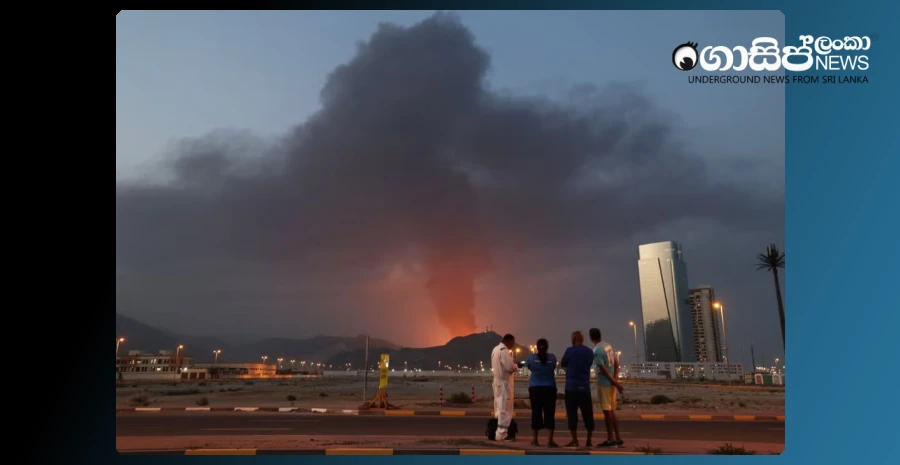
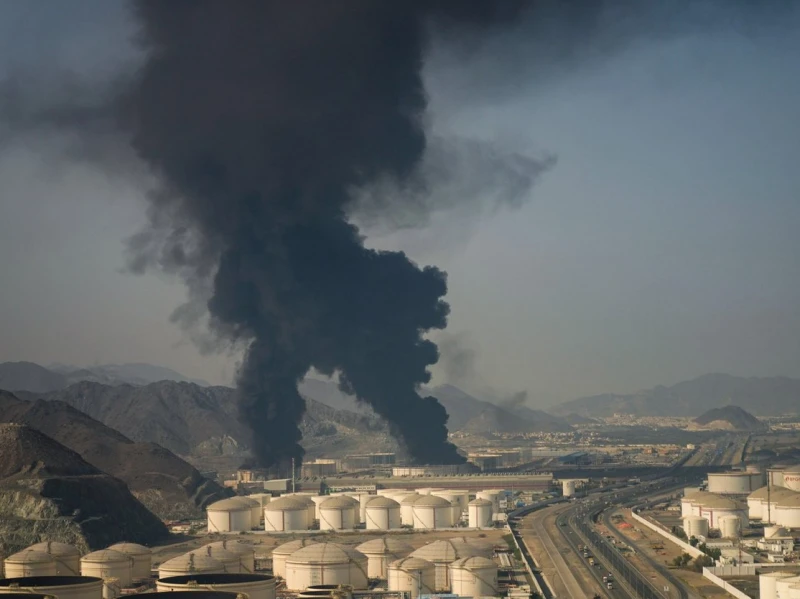
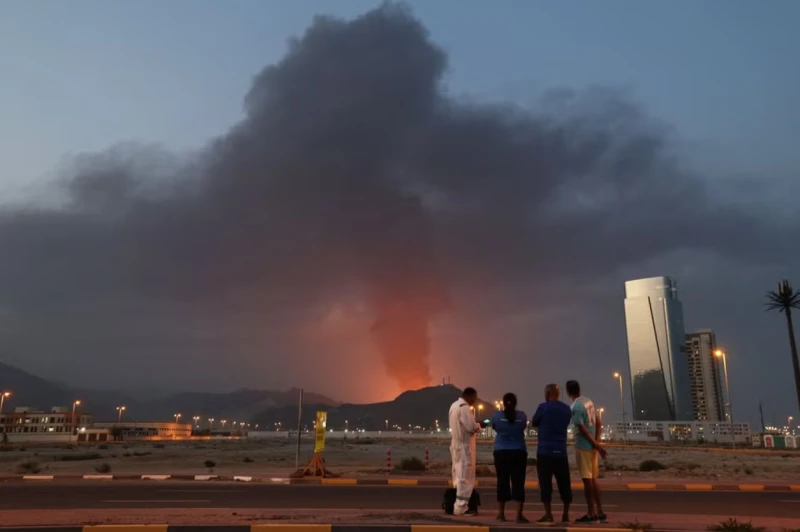
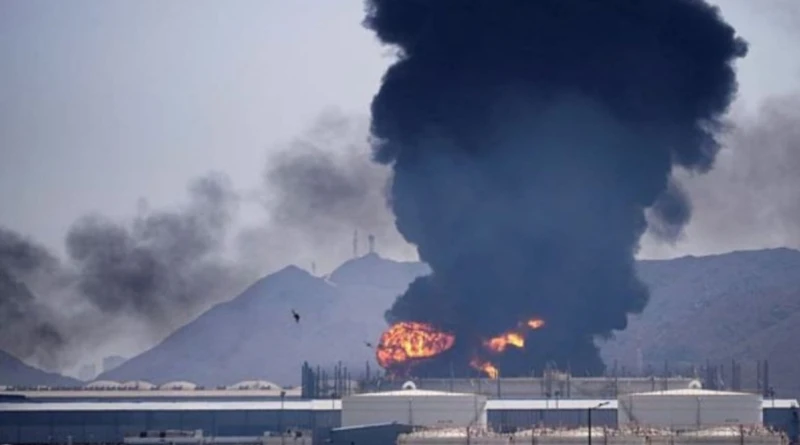
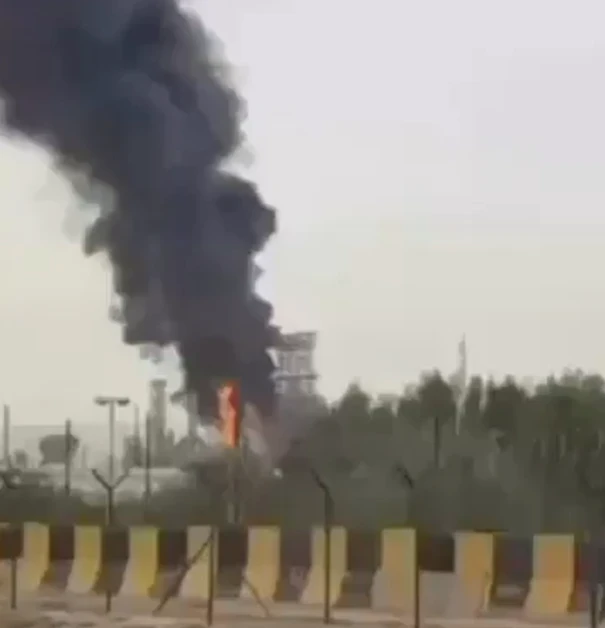
In the early hours of March 19, 2026, several emergency fires broke out in the operational units of Kuwait's two main oil refineries, Mina Al-Ahmadi and Mina Abdullah, due to drone attacks. However, authorities were able to bring the situation under control very quickly, and no personal injuries or fatalities have occurred, as officially confirmed by the Kuwait News Agency (KUNA) and Kuwait Petroleum Corporation (KPC).
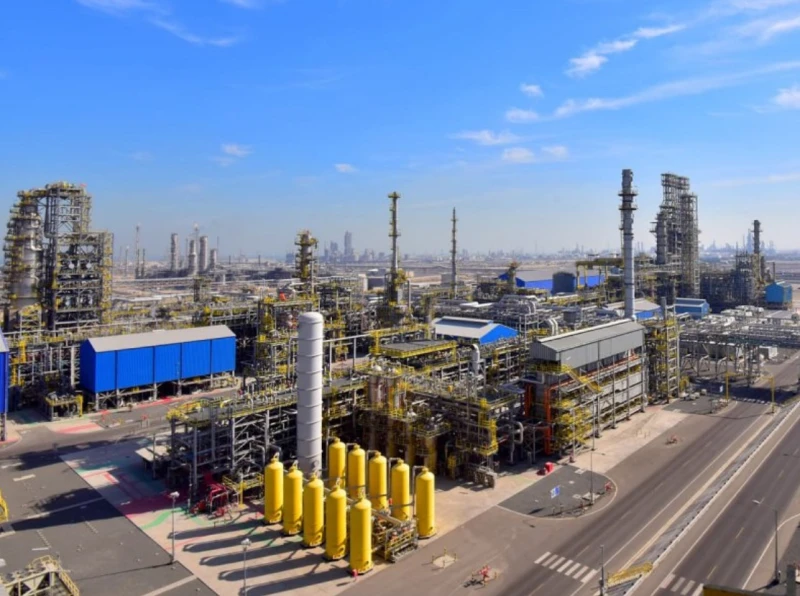
The Mina Al-Ahmadi refinery, located approximately 45 kilometers south of Kuwait City and one of the largest refineries in the Middle East, has a capacity of between 346,000 and 730,000 barrels per day. Additionally, the Mina Abdullah refinery, with a capacity of 454,000 barrels per day, was also affected by these attacks. The Kuwait Petroleum Corporation stated that six firefighting units were deployed, adhering to the highest safety standards, and the fire was completely extinguished. They further emphasized that all precautionary measures have been taken to ensure employee safety. International media, including the Associated Press (AP), reported that the damage to the refineries from these attacks is minimal, and although some operations were temporarily suspended to ensure safety, overall production has not been completely disrupted.
This series of attacks is considered one step in a massive operation launched by Iran targeting energy infrastructure in the Gulf region, in response to a recent Israeli attack on Iran's South Pars, the world's largest gas field. In addition to Kuwait, Qatar's Ras Laffan gas facilities, Saudi Arabia's SAMREF refinery in Yanbu, and gas operational centers in the United Arab Emirates have also been subjected to these Iranian attacks. Although the Kuwaiti government has only referred to this as a drone attack, international analysts point out that Iran has orchestrated these attacks as another escalation in the US-Israel-Iran conflict. Gulf countries and the Arab League have also condemned this situation as a dangerous development.
With the escalating war in the Middle East, the global energy market has been severely impacted, with Brent crude oil prices significantly rising to $118 - $119 per barrel. Since the escalation of the war, crude oil prices have increased by approximately 60 percent, and if maritime traffic in the Strait of Hormuz is disrupted, it will further impact the Asian region. Economically sensitive Asian countries, particularly Sri Lanka, could directly feel the impact of these rising global fuel prices, and there is a risk of increased imported fuel costs in the future. However, energy experts point out that since Kuwait, a key member of the OPEC+ organization, has not experienced long-term disruption to its oil production and the fires were brought under control very quickly, there is no need for unnecessary panic about a fuel shortage at this moment.