![Gossip Lanka News [English]](https://blogger.googleusercontent.com/img/a/AVvXsEhYm2aFFq-bIW1nWX-RrqnPFoIsVos6_VCVz8BpLt0QJi55GNXHXC2fugeRvL0qUStEuCfs7Sfu6ZiSlhrkldxfGuE_wzy5gitY6rMZ2KSi8VBbGvkgXLks37RwZV-4-HKbWiNLRxB8C_r1e4z3mpxFTMPDJPEADoG8E-bZteWFipeD5KNGbjvCfqEfKw=s300 "Gossip Lanka News [English]")
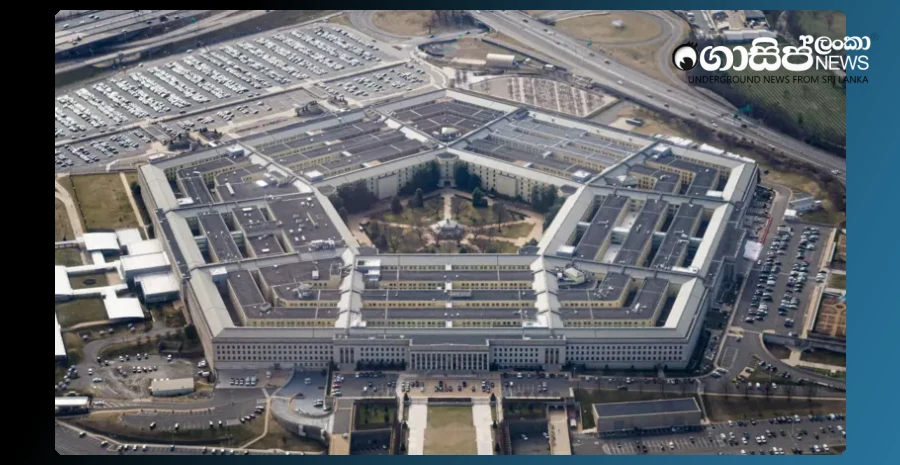
The 'Washington Post' reports that the Pentagon has officially requested the White House to approve over $200 billion in additional funding to continue and expand the massive military operations currently underway against Iran. This is a one-time emergency supplementary allocation outside the normal annual defense budget, and media networks such as Reuters, BBC, and The Guardian have also confirmed and reported on this massive financial request.
This money is primarily intended for the rapid production of highly precise missiles and weapon stockpiles such as Tomahawk, JASSM, Patriot, and THAAD, which have been rapidly depleted due to thousands of joint air strikes by the United States and Israel. According to reports provided by the Pentagon to Congress, $11.3 billion has been spent in just the first six days of the war, an expenditure of nearly a billion dollars a day. Accordingly, this new request, which completely surpasses the previously proposed $50 billion estimate, aims to replenish weapon stockpiles for a long-term conflict rather than just covering already incurred expenses.
This military operation, internally known as 'Operation Epic Fury', began on February 28, 2026, targeting Iran's top leadership, nuclear facilities, and key military centers. As this conflict enters its third week, Iran has also been responding with missile and drone attacks, leading the United States to focus heavily on positioning its troops to ensure the security of the critical Strait of Hormuz.
To understand the magnitude of this massive $200 billion requested by the Pentagon, it is noteworthy that it represents between 50% and 60% of Iran's estimated total GDP of $356 billion in 2025. Furthermore, this amount surpasses the annual cost incurred during the busiest years of the Iraq War, as well as the total American aid provided to Ukraine in recent years, clearly illustrating the immense economic burden of this conflict. The Pentagon and the White House have officially declined to comment to the Washington Post regarding this request.
However, political analysts predict that this massive financial request will create a fierce political conflict within the U.S. Congress. With public support for the war remaining relatively low, Democratic representatives, including Senator Chris Van Hollen, have already begun questioning the war strategies and the exorbitant costs. Although Republicans have shown some support for additional appropriations, they are also concerned about this enormous sum and the burden on taxpayers. It is reported that some White House officials have privately acknowledged that approving the full amount without massive domestic cuts would be impractical.
As a result of this war, the risk emerging around the Strait of Hormuz has caused Brent crude oil prices to rapidly rise to between $95 and $103 per barrel, and its adverse effects are already severely felt in Sri Lanka. In early March, an American submarine sank the Iranian naval vessel 'IRIS Dena' off the coast of Galle, killing 87 sailors. Sri Lanka had to rescue the survivors and manage the operations of another vessel while maintaining its neutrality. Furthermore, with the rise in global fuel prices, fuel prices in Sri Lanka have also increased by more than 8%, leading to panic among the public who have begun hoarding fuel. Authorities are also considering introducing a 4-day work week for fuel conservation. Economic experts point out that America's massive war expenditure is further exacerbating Sri Lanka's energy crisis, posing significant risks to inflation, aviation fuel costs, and remittances from Gulf region workers.