![Gossip Lanka News [English]](https://blogger.googleusercontent.com/img/a/AVvXsEhYm2aFFq-bIW1nWX-RrqnPFoIsVos6_VCVz8BpLt0QJi55GNXHXC2fugeRvL0qUStEuCfs7Sfu6ZiSlhrkldxfGuE_wzy5gitY6rMZ2KSi8VBbGvkgXLks37RwZV-4-HKbWiNLRxB8C_r1e4z3mpxFTMPDJPEADoG8E-bZteWFipeD5KNGbjvCfqEfKw=s300 "Gossip Lanka News [English]")
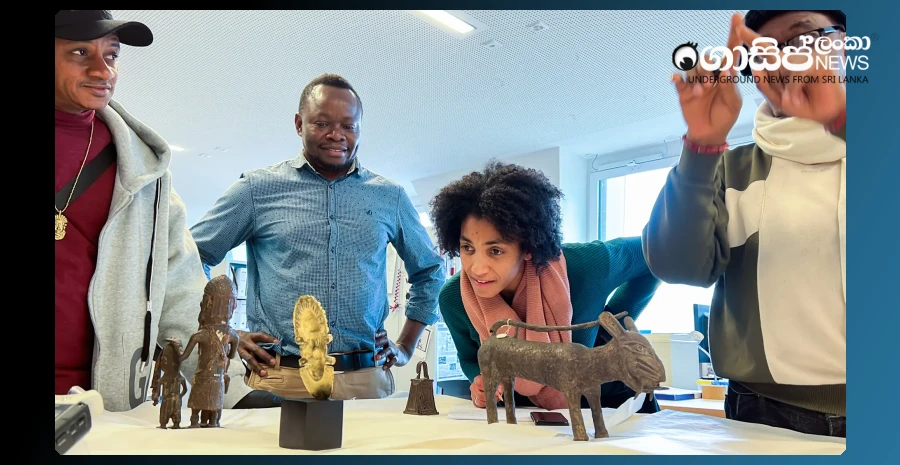
On Friday, March 20, Switzerland officially returned three artifacts of historical and cultural value, looted by British forces during the invasion and plunder of Benin City (present-day Nigeria) in 1897, to Nigeria. The repatriation of these artifacts, which had been exhibited for decades at the Geneva Ethnographic Museum (MEG), is considered a significant step in rectifying past colonial wrongs.
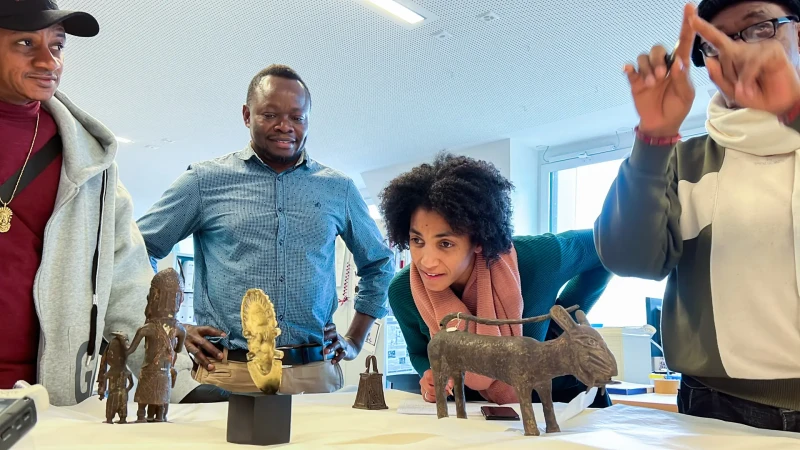
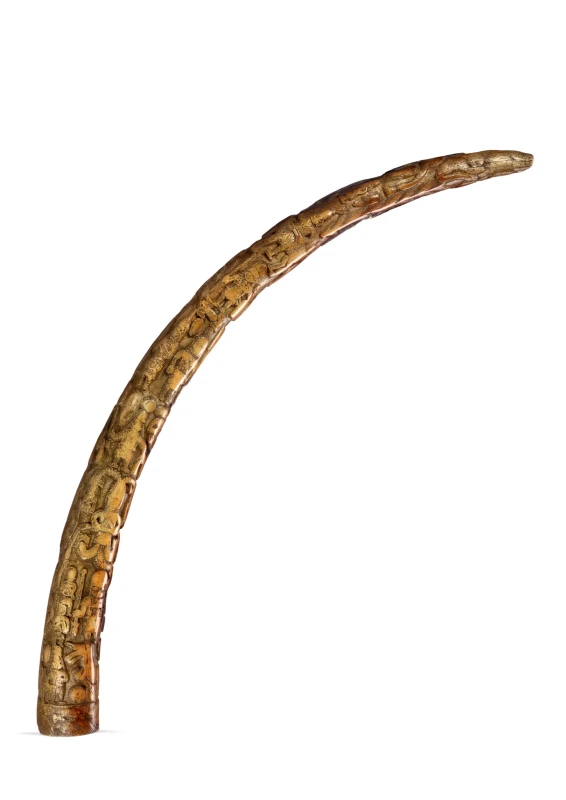
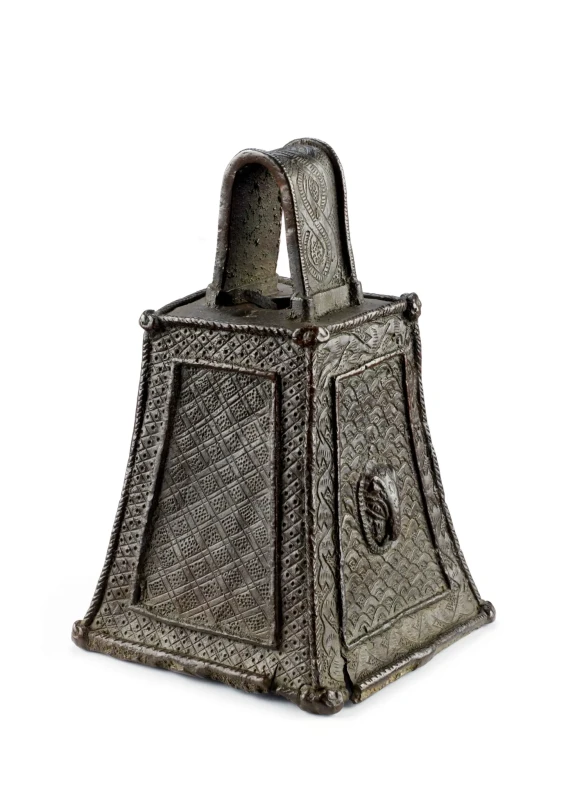
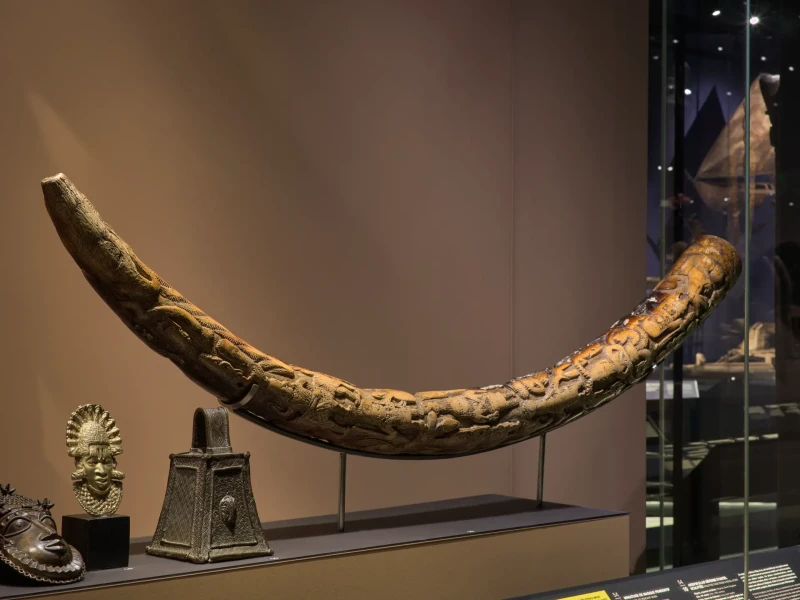
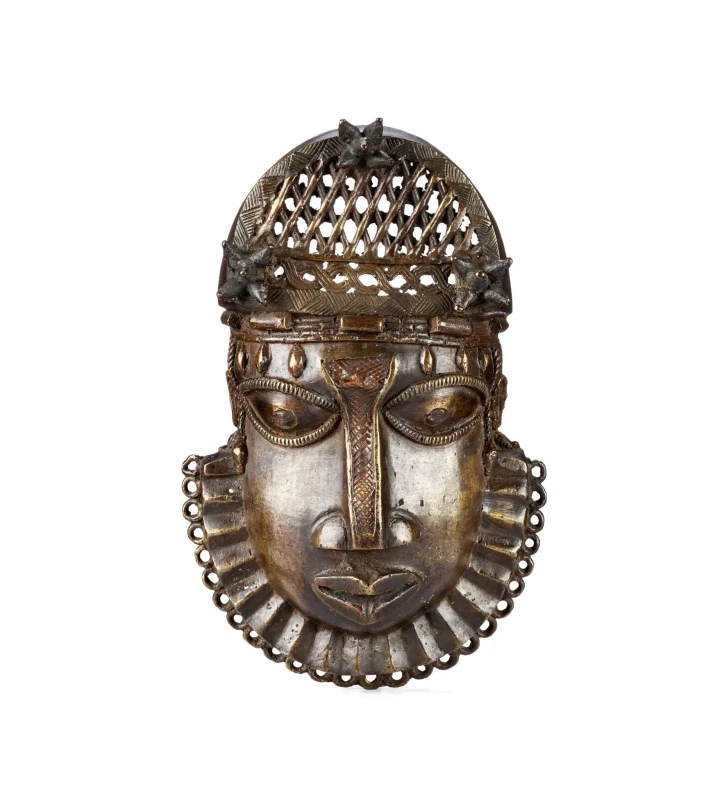
The returned artifacts include a large, intricately carved ivory tusk (Aken’ni Elao), a bronze belt mask worn by royalty (Uhunmwu-Ẹkuẹ), and an altar bell (Eroro). The official handover ceremony took place at the Rietberg Museum in Zurich, following a press conference in Geneva attended by Joëlle Bertossa, Head of Cultural Affairs for the City of Geneva, Carine Ayélé Durand, Director of the MEG Museum, and Olugbile Holloway, Director-General of the National Commission for Museums and Monuments (NCMM) of Nigeria. Mr. Holloway emphasized that this was not merely a return of objects, but a restoration of dignity to the Nigerian people. An agreement was also reached to keep one of the bronze creations on long-term loan in Geneva for further exhibition, allowing Nigerians abroad to see their heritage.
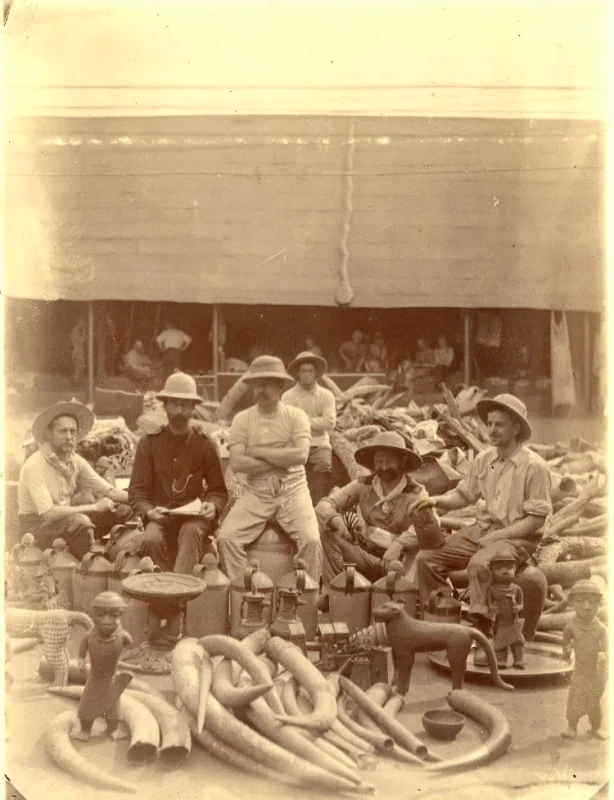
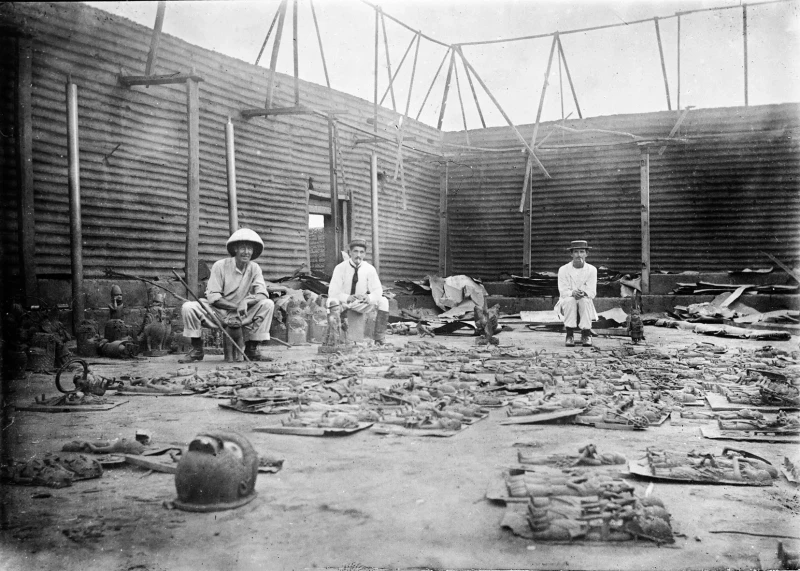
This historic handover is the successful outcome of the "Bénin Suisse" program, launched in 2021 by a consortium of eight Swiss museums and Nigerian authorities. Researchers meticulously traced the provenance of 96 objects across Swiss museums, definitively confirming that these three items from the MEG Museum were looted during the 1897 British invasion. At that time, in response to the killing of a group of British representatives led by James Robert Phillips, British forces destroyed the Kingdom of Benin, plundering these valuable objects from the royal palace to cover the costs of the military campaign and selling them across Europe.
Tracing the journey of these three artifacts to Switzerland clearly illustrates the high demand for Benin bronzes in 20th-century Europe. The bronze belt mask passed through British auctions to art dealers and was eventually purchased in 1932 by Eugène Pittard, founder of the MEG Museum, from Hans Himmelheber. The 18th-century ivory tusk, still bearing burn marks from the 1897 burning of Benin City, was acquired in 1948 from a London art gallery for a substantial sum of 2571.30 Swiss Francs. Most surprisingly, the altar bell was purchased in 1958 at an estate auction of Baron Maurice de Rothschild in Geneva. This clearly reflects the extent to which such valuable looted artifacts found their way into the private collections of elite families across Europe.