![Gossip Lanka News [English]](https://blogger.googleusercontent.com/img/a/AVvXsEhYm2aFFq-bIW1nWX-RrqnPFoIsVos6_VCVz8BpLt0QJi55GNXHXC2fugeRvL0qUStEuCfs7Sfu6ZiSlhrkldxfGuE_wzy5gitY6rMZ2KSi8VBbGvkgXLks37RwZV-4-HKbWiNLRxB8C_r1e4z3mpxFTMPDJPEADoG8E-bZteWFipeD5KNGbjvCfqEfKw=s300 "Gossip Lanka News [English]")
Marking the third week of the American-Israeli war, which began on February 28, 2026, the first direct attack was launched on March 18, targeting Iran's main fossil fuel production facilities. The primary target of this attack was South Pars, the world's largest natural gas field located in the Persian Gulf off the coast of Bushehr Province, and its associated Assaluyeh hub.
This gas field, jointly exploited with Qatar, is a cornerstone of Iran's energy economy, supplying a vast percentage of the country's gas production.According to Iranian state media and Israeli reports, this series of airstrikes was launched by Israel. Although previously informed, the United States was not directly involved in this attack. However, President Trump stated that Israel would not launch further attacks on this field, and he also warned that if Iran continued to attack Qatar, the entire region would be completely destroyed.
The attack caused severe damage to oil and chemical factories, as well as gas refinery centers (phases 3 to 6), and the resulting fire has now been brought under control. Although the full extent of the damage has not yet been precisely calculated, daily gas production is reported to have decreased by approximately 100 million cubic meters. As a result, Iraq's electricity generation, which meets one-third of its needs through gas imports from Iran, has been disrupted, and a severe energy and electricity crisis has also emerged within Iran.
This situation has also severely impacted the global energy market, with crude oil prices rapidly increasing. Accordingly, the price of a barrel of Brent crude reached the $110 mark, showing a 5% increase within that day and approximately a 50% rise since the war began. Concurrently, European natural gas prices have also increased by about 7.5%, and the blockage of the Strait of Hormuz has further disrupted the regional supply network.
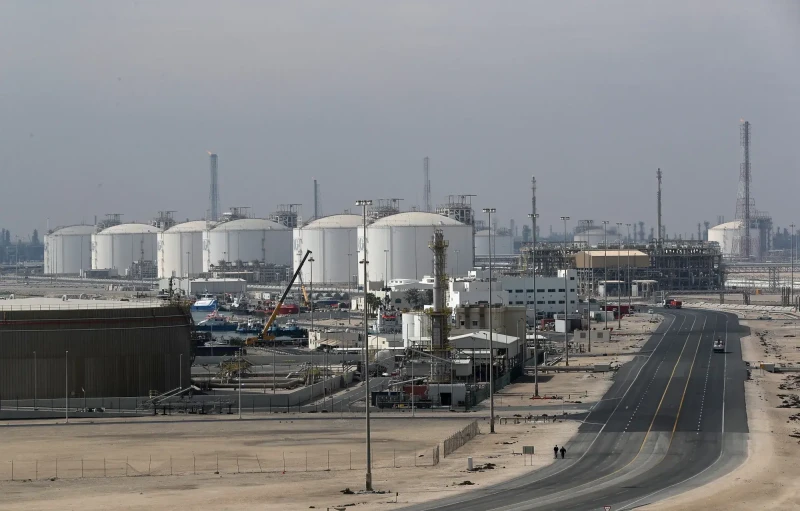
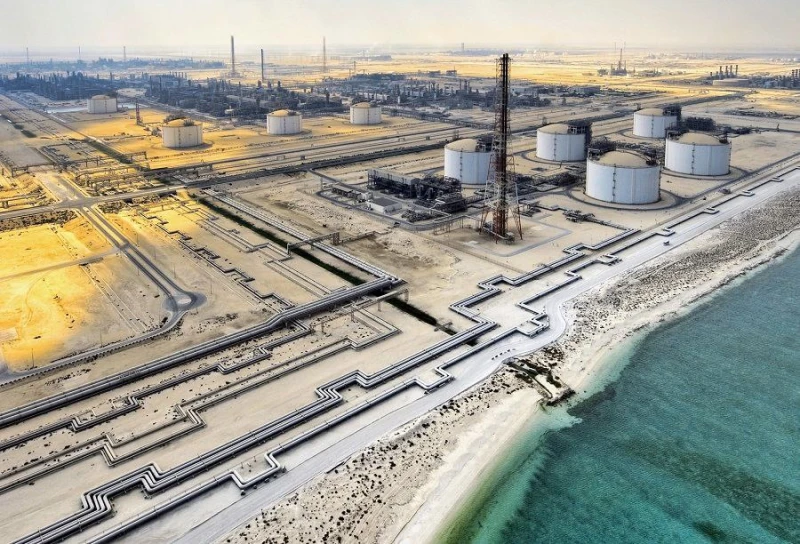
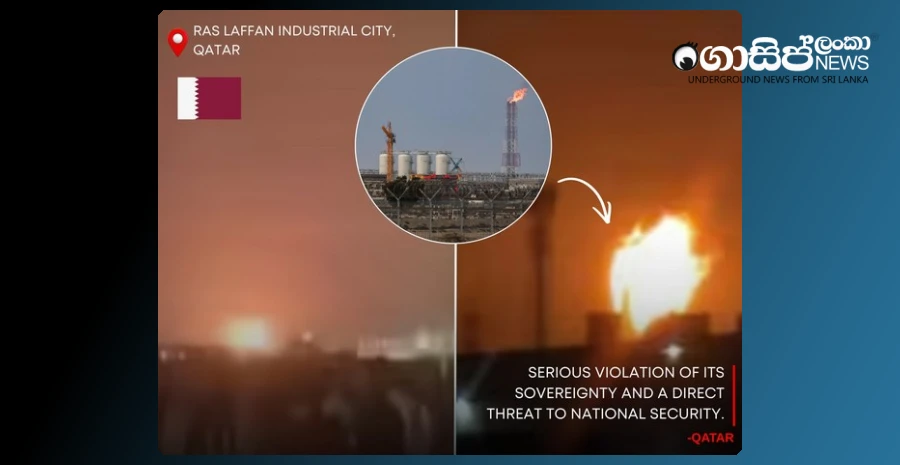
The Iranian Revolutionary Guard, attributing responsibility for the attack to the US and Israel, threatened retaliation by issuing warnings to withdraw from energy centers in the Gulf region. Accordingly, they launched missile and drone attacks on locations including Saudi Arabia's Samref refinery, the Jubail complex, the UAE's Al Hosn gas field, and Qatar's Ras Laffan refinery and Mesaieed complex. As a result, Qatar's Ras Laffan facility suffered severe damage. Assaluyeh Governor Eskandar Pasalar described this situation as a "full economic war" and a political suicide, while Iranian President Masoud Pezeshkian warned of uncontrollable consequences that could engulf the entire world. Qatar also stated that this initial attack, which threatens global energy security, was a dangerous and irresponsible act.
In the initial phase of this war, known as 'Operation Epic Fury,' energy infrastructure was avoided, with only Iranian leadership and military targets chosen to prevent a global oil crisis, but this has now completely changed. Previously, between March 13-14, the US attacked military targets on Kharg Island, where about 90% of Iran's crude oil exports occur, but refrained from damaging oil export facilities. Additionally, Israeli attacks on fuel depots near Tehran, such as Shahran and Karaj, on March 7-8, caused massive fires, fuel shortages, and a toxic "black rain" situation. With disrupted energy production among Gulf neighbors, oil prices exceeding $100, and massive environmental risks from chemical factory fires, this conflict continues to escalate across the region.