![Gossip Lanka News [English]](https://blogger.googleusercontent.com/img/a/AVvXsEhYm2aFFq-bIW1nWX-RrqnPFoIsVos6_VCVz8BpLt0QJi55GNXHXC2fugeRvL0qUStEuCfs7Sfu6ZiSlhrkldxfGuE_wzy5gitY6rMZ2KSi8VBbGvkgXLks37RwZV-4-HKbWiNLRxB8C_r1e4z3mpxFTMPDJPEADoG8E-bZteWFipeD5KNGbjvCfqEfKw=s300 "Gossip Lanka News [English]")
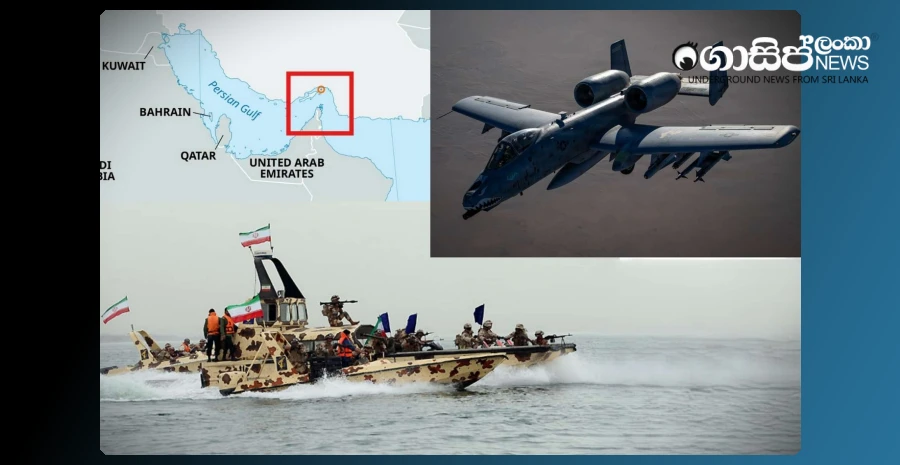
The crisis in the Strait of Hormuz, one of the world's most critical maritime regions, has now reached its peak with the launch of a joint US-Israeli military operation against Iran in late February. Amidst these hostilities, named 'Operation Epic Fury', Iran announced on March 4 that it had closed the strait, severely impacting global maritime trade and energy supplies.
More than 20 commercial vessels have been attacked due to Iran's asymmetric attacks using drones, unmanned surface vessels, explosive-laden boats, and naval mines. Under these attacks, the Thai-flagged vessel 'Mayuree Naree' and the oil tankers 'Safesea Vishnu' and 'Zefyros' have suffered severe damage and caught fire, resulting in the death of one sailor. With this crisis, the price of a barrel of crude oil in the global market has exceeded the $100 mark, and Asian and European gas prices have also risen sharply.
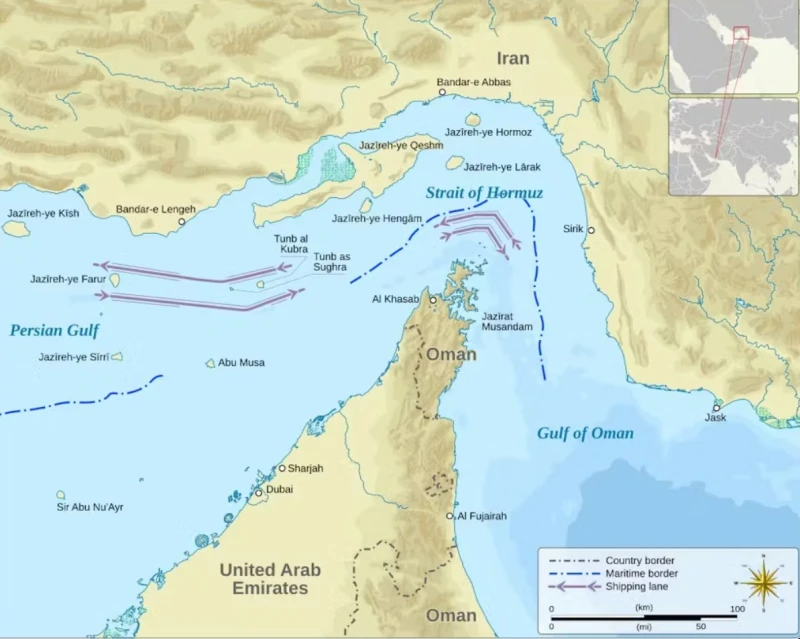
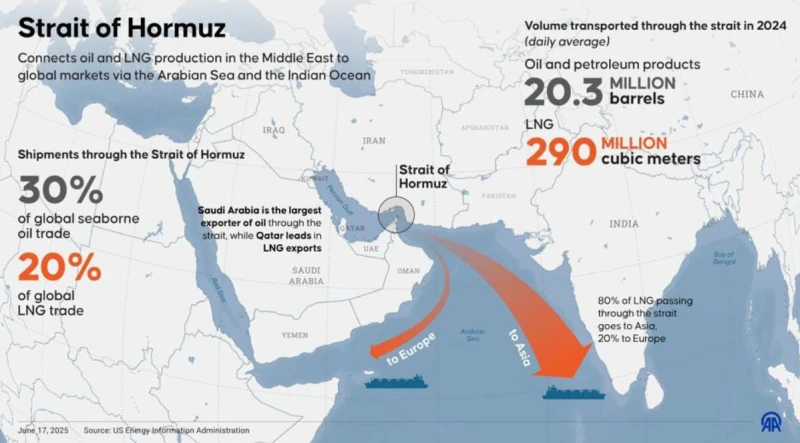
Approximately 27 percent of global seaborne crude oil trade and about 20 percent of global liquefied natural gas (LNG) supply pass through the Strait of Hormuz, which is between 21 and 60 miles wide and about 100 miles long. The traffic on this sea route, which previously saw 130 to 138 vessels daily, has now dropped to just a few ships per day, putting approximately 20,000 sailors at severe risk.
In light of this situation, South Korea has also decided to contribute to international efforts to ensure safe and free navigation in the Strait of Hormuz. This joint statement, initially signed by the leaders of Britain, France, Germany, Italy, the Netherlands, and Japan, has now been joined by many other countries, including Canada, Australia, and New Zealand, with approximately 20 countries offering support under pressure from the US President.
Meanwhile, Iranian Foreign Minister Abbas Araghchi has stated that Iran is ready to allow Japan-affiliated vessels to pass through the Strait of Hormuz. Although he announced that discussions on this matter have begun with the Japanese side, Japanese government officials have responded with extreme caution. Japanese authorities have pointed out that while direct negotiations with Iran might be the most effective method, utmost care must be taken not to provoke the United States, and even if Japanese vessels are allowed passage, it would not resolve the current energy crisis. Furthermore, an official from the Japanese Ministry of Foreign Affairs stated that the true intention behind the Iranian Foreign Minister's statement must be carefully assessed.
To ensure the security of the sea route, US forces have so far deployed A-10 Warthogs and Apache helicopters, destroying more than 30 Iranian attack boats and mine-laying vessels. US President Donald Trump has stated that Iran has deteriorated militarily and that he is open to launching ground operations if necessary to permanently secure the strait. He also accused European allies of shirking their responsibilities.