![Gossip Lanka News [English]](https://blogger.googleusercontent.com/img/a/AVvXsEhYm2aFFq-bIW1nWX-RrqnPFoIsVos6_VCVz8BpLt0QJi55GNXHXC2fugeRvL0qUStEuCfs7Sfu6ZiSlhrkldxfGuE_wzy5gitY6rMZ2KSi8VBbGvkgXLks37RwZV-4-HKbWiNLRxB8C_r1e4z3mpxFTMPDJPEADoG8E-bZteWFipeD5KNGbjvCfqEfKw=s300 "Gossip Lanka News [English]")
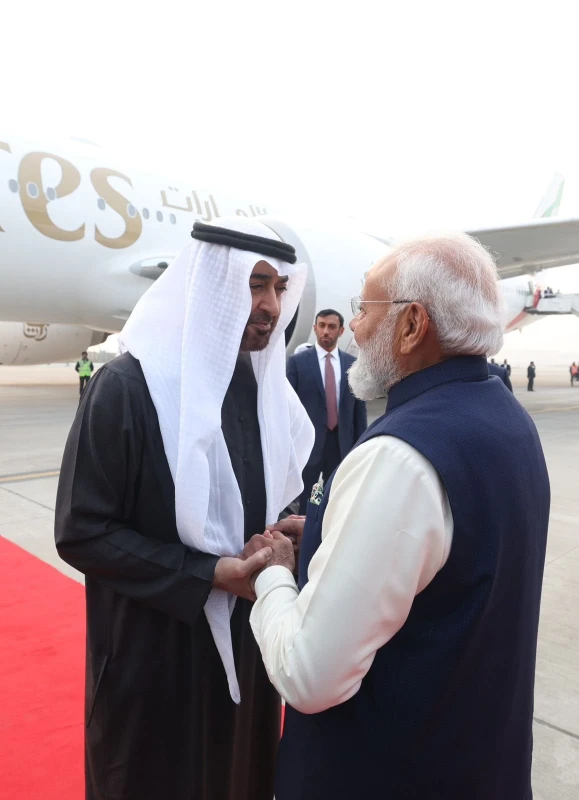
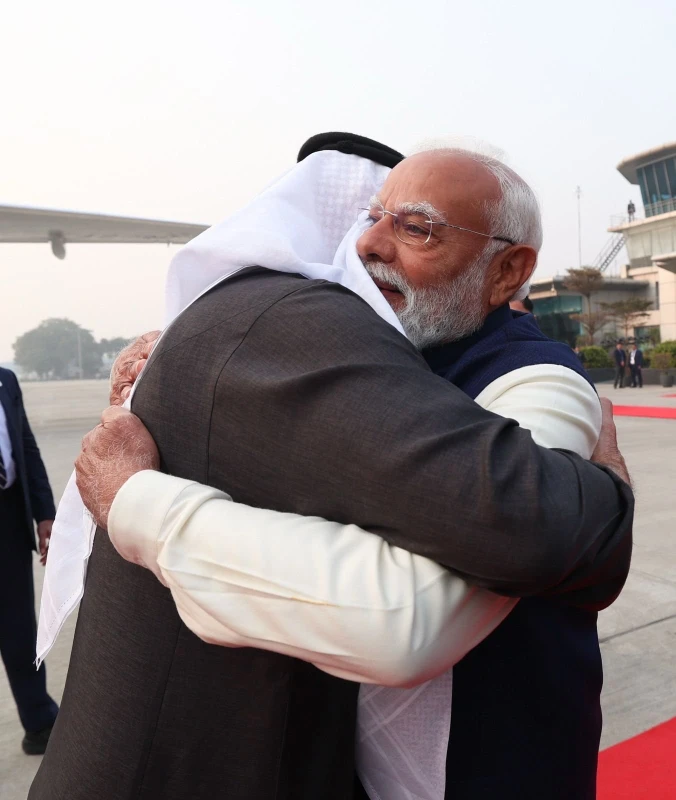
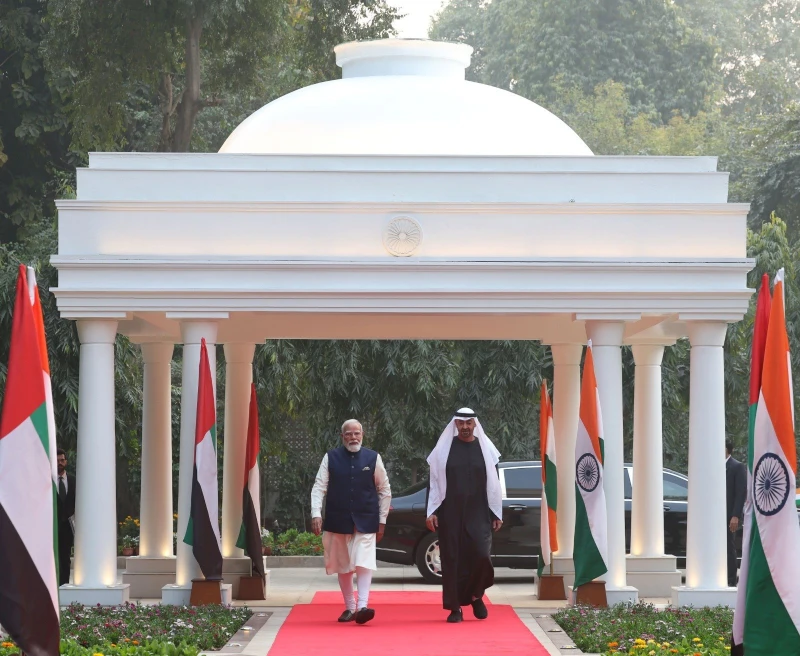
UAE President Sheikh Mohamed bin Zayed Al Nahyan arrived in India for a very brief official visit of 105 minutes, a visit that marked a new dimension in diplomatic relations between the two countries. A special event was the arrival of Indian Prime Minister Narendra Modi himself at Palam Airport in New Delhi to welcome the Emirati President, setting aside even traditional diplomatic protocols.
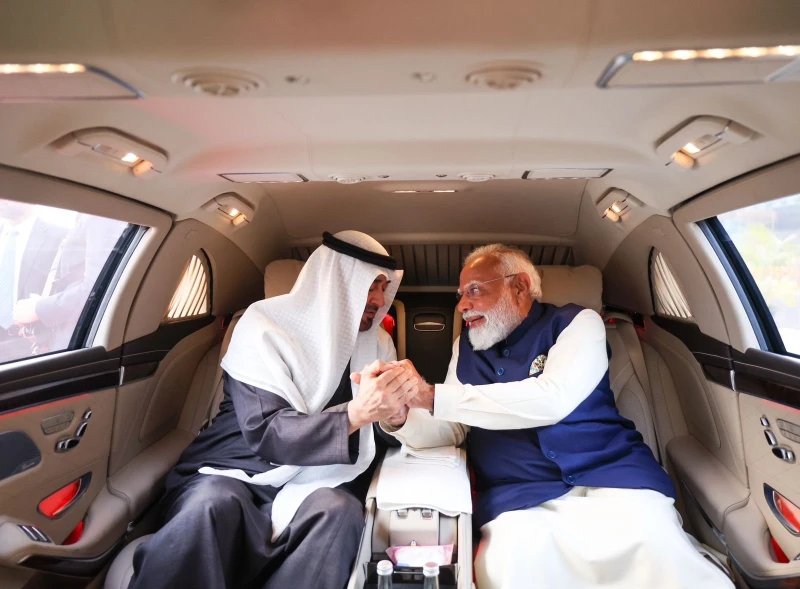
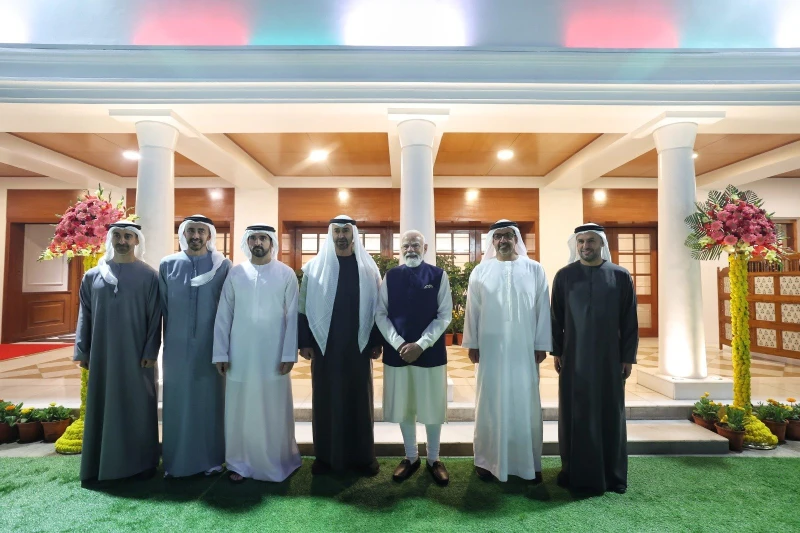
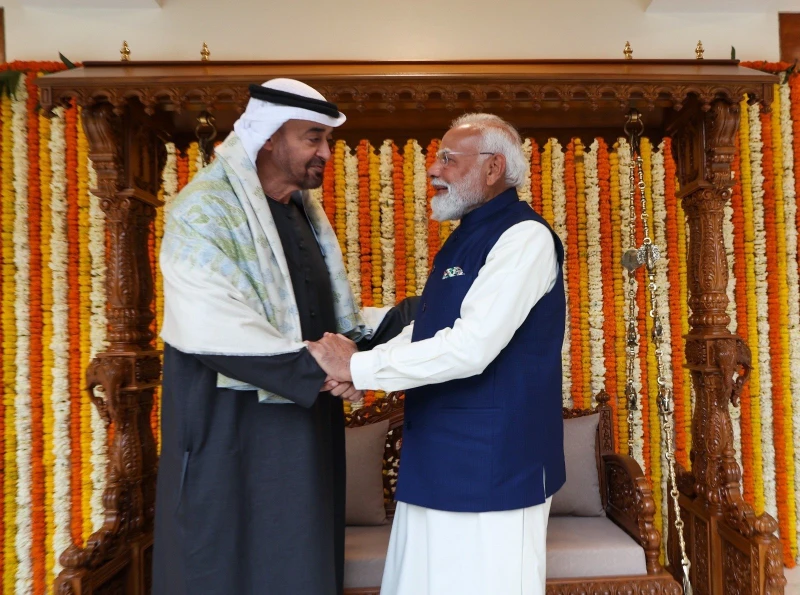
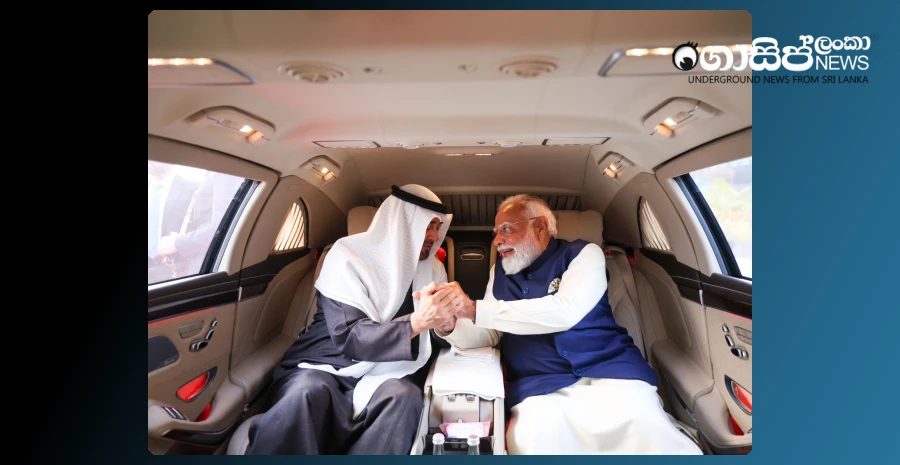
Prime Minister Modi stated in a post on his "X" account that he personally went to the airport to welcome his brother.During this short period, extremely important discussions were held between the two leaders, and 9 major agreements, including those in the defense and trade sectors, were signed. Indian Foreign Secretary Vikram Misri stated that although the visit was short in duration, it was very powerful and productive in content. The inclusion of members of the Abu Dhabi and Dubai royal families, as well as numerous senior ministers and officials in the delegation, clearly demonstrates the priority the UAE gives to its relationship with India. This was Sheikh Mohamed bin Zayed's third visit to India since assuming the presidency in 2022.
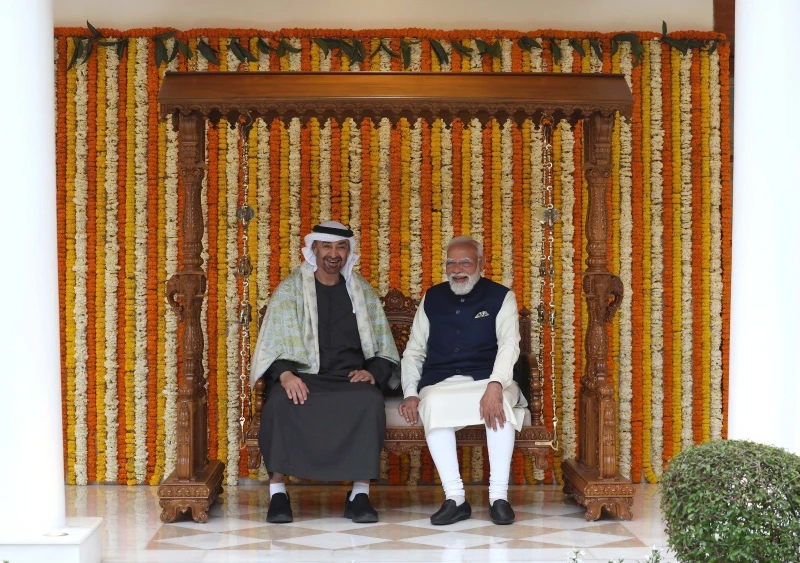
During the meeting at the Prime Minister's official residence in New Delhi, Narendra Modi presented several valuable gifts showcasing Indian culture to the Emirati President and his family. The President was gifted a finely carved wooden swing made in Gujarat and a Kashmiri Pashmina shawl encased in a silver casket made in Telangana. Additionally, a special Pashmina shawl and high-quality Kashmiri saffron were given as gifts for the President's mother, Sheikha Fatima bint Mubarak.
The existing economic relations between the two countries were further strengthened during this meeting, and currently, the UAE has become India's third-largest trading partner. The annual trade value between the two countries is reported to exceed 6 trillion Indian Rupees. This economic tie has been further expanded through energy supply, mechanisms for transactions using local currencies, and bilateral investment agreements. These trade relations have spread across various sectors including petroleum, gems, jewelry, food items, and engineering goods.