![Gossip Lanka News [English]](https://blogger.googleusercontent.com/img/a/AVvXsEhYm2aFFq-bIW1nWX-RrqnPFoIsVos6_VCVz8BpLt0QJi55GNXHXC2fugeRvL0qUStEuCfs7Sfu6ZiSlhrkldxfGuE_wzy5gitY6rMZ2KSi8VBbGvkgXLks37RwZV-4-HKbWiNLRxB8C_r1e4z3mpxFTMPDJPEADoG8E-bZteWFipeD5KNGbjvCfqEfKw=s300 "Gossip Lanka News [English]")
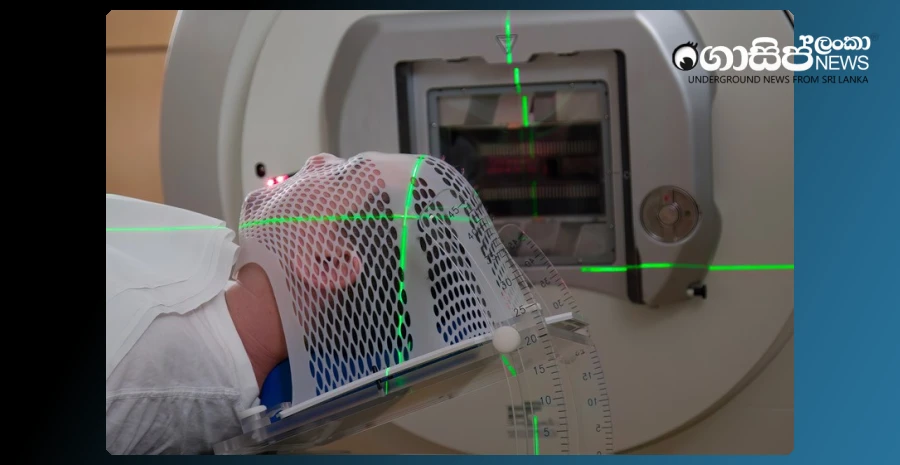
Medical specialists warn that the quality of life for cancer patients has severely deteriorated due to the acute shortage of modern radiotherapy technology in Sri Lanka, with mortality rates rising, especially for cervical, uterine, prostate, rectal, breast, head, neck, and skin cancers. Dr. Chamal Sanjeewa, President of the Alliance of Medical and Civil Rights Doctors' Trade Unions, points out that the main reason for this crisis is the inefficiency and poor management within the Ministry of Health, which has led to a prolonged delay in the procurement of modern radiotherapy equipment.
He also states that proposals submitted by the Treasury and the Asian Development Bank (ADB) for the acquisition of highly advanced cancer treatment machines remain stagnant and have not been implemented.It is reported that this procurement process was delayed during the tenure of former Health Minister Keheliya Rambukwella, and facts revealed at the Parliamentary COPE Committee indicate that former Health Secretary Janaka Chandraguptha attempted to further postpone purchases or acquire lower quality machines to benefit the private sector. Dr. Sanjeewa questions whether these delays under successive Health Ministers are part of a broader effort to direct patients to private hospitals, and recent media reports suggest that a powerful private sector group is influencing the Ministry of Health to prevent the purchase of modern Brachytherapy units. The doctor further states that these units are extremely critical for treating cervical, prostate, and selected breast cancers, but the group's objective is to hinder the development of government hospitals and channel patients towards private facilities, and that the Minister might be unaware of this agenda.
Currently, the brachytherapy services operating in the country are outdated and limited only to cervical and uterine cancers, depriving many patients of proper treatment options. Dr. Sanjeewa states that despite existing cervical cancer screening programs, the mortality rate remains very high due to these outdated technological methods. Under the planned procurement process, a modern brachytherapy unit with imaging facilities is to be purchased for the National Hospital Galle, and modern facilities including Linear Accelerators, CT Simulators, and Dosimetry kits have been proposed for Apeksha Hospital Maharagama (National Cancer Institute), National Hospital Kandy, and other provincial cancer units. Dr. Sanjeewa emphasized the need for health authorities to consult with medical professionals and the Sri Lanka College of Oncologists (SLCO) to expedite the procurement process to bring brachytherapy services up to modern standards. He strongly questions why a government capable of providing excessively expensive vehicles for ministers cannot prioritize radiotherapy machines that save the lives of cancer patients, reiterating the existing issues regarding access to modern cancer treatment in Sri Lanka and the necessity for decisive action to prevent further loss of life.