![Gossip Lanka News [English]](https://blogger.googleusercontent.com/img/a/AVvXsEhYm2aFFq-bIW1nWX-RrqnPFoIsVos6_VCVz8BpLt0QJi55GNXHXC2fugeRvL0qUStEuCfs7Sfu6ZiSlhrkldxfGuE_wzy5gitY6rMZ2KSi8VBbGvkgXLks37RwZV-4-HKbWiNLRxB8C_r1e4z3mpxFTMPDJPEADoG8E-bZteWFipeD5KNGbjvCfqEfKw=s300 "Gossip Lanka News [English]")
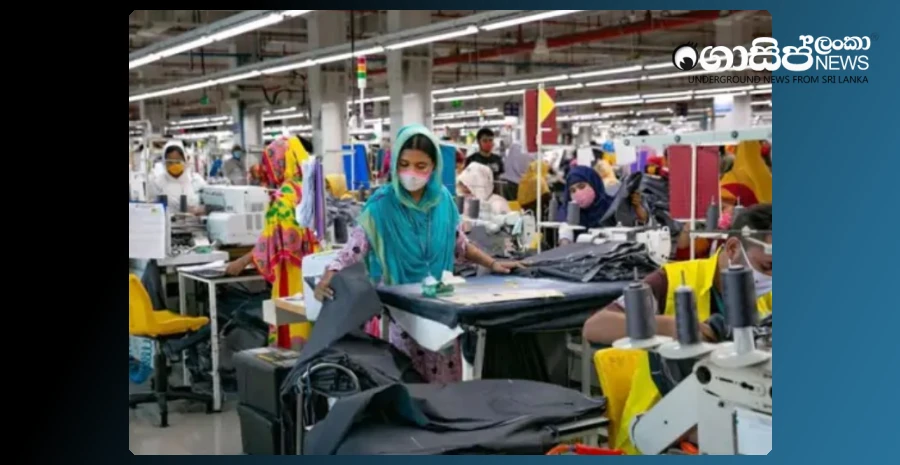
Bangladesh's textile industry is currently facing a severe crisis, and textile mill owners in the country have warned the government that if tax concessions for yarn imports are not removed by the end of January, mills across the country will shut down from February 1. Mill owners state that due to low-cost yarn from India invading the domestic market, local yarn stocks worth over 12,000 crore rupees remain unsold and stockpiled. They point out that the Ministry of Commerce has recommended to the National Board of Revenue to remove the duty-free facility on imported yarn.
According to the Bangladesh Textile Mills Association (BTMA), the domestic industry is being destroyed by cheap yarn imported from India, and over 50 factories have already closed, leading to thousands of employees losing their jobs. Faced with this situation, mill owners are struggling to repay loans due to increasing financial pressure, and they point out that the closure of factories poses a risk of approximately 1 million more employees losing their jobs.
Additionally, due to gas shortages, irregular supply, and rising energy prices over the past few months, the textile sector has incurred losses of approximately $2 billion, and the production capacity of many mills has fallen by up to 50 percent. To overcome this crisis, mill owners have submitted demands to the government, including an immediate halt to duty-free yarn imports, provision of gas at concessional prices, reduction of bank loan interest rates, and tax relief during the crisis period.
Under the 'Bonded Warehouse' system, which has been in operation since the 1980s to encourage exports, garment factories are allowed to import raw materials duty-free. In 2025 alone, Bangladesh imported approximately 700 million kilograms of yarn worth $2 billion. According to government data, 78 percent of the yarn imported into the country came from India. Although local yarn manufacturers oppose these imports, garment exporters state that Indian yarn is cheaper and of higher quality than domestic yarn.
World-renowned brands like Tommy Hilfiger, Calvin Klein, and H&M purchase garments produced in Bangladesh, and these international buyers also place greater trust in the quality and consistency of Indian yarn. Garment exporters warn that if duty-free imports are stopped, the cost of garment production will increase, and Bangladesh will lose its competitiveness in the global market.
Bangladesh, the world's second-largest garment exporter after China, derives 84 percent of its foreign exchange earnings from this industry, which provides direct and indirect employment opportunities to millions of people, including a majority of women. Bangladesh holds a 9 percent share in the American market, and due to the current crisis, there is a possibility that garment orders may shift from Bangladesh to countries like India.