![Gossip Lanka News [English]](https://blogger.googleusercontent.com/img/a/AVvXsEhYm2aFFq-bIW1nWX-RrqnPFoIsVos6_VCVz8BpLt0QJi55GNXHXC2fugeRvL0qUStEuCfs7Sfu6ZiSlhrkldxfGuE_wzy5gitY6rMZ2KSi8VBbGvkgXLks37RwZV-4-HKbWiNLRxB8C_r1e4z3mpxFTMPDJPEADoG8E-bZteWFipeD5KNGbjvCfqEfKw=s300 "Gossip Lanka News [English]")
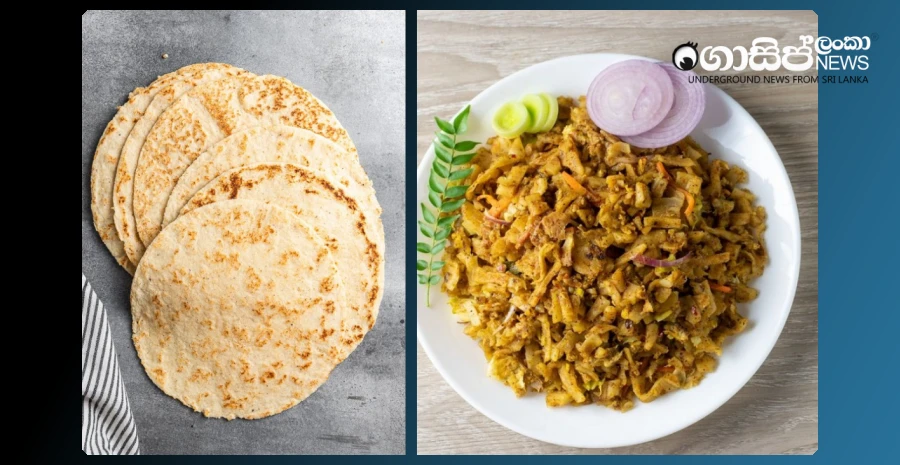
In Sri Lankan food culture, dishes like Pol Roti (coconut flatbread) and Kottu hold unique popularity. These foods can be considered a healthy option if prepared properly and consumed in moderation.
Specifically, although the nutritional value of Pol Roti varies depending on its type and preparation method, it primarily provides complex carbohydrates and fiber. However, it should be emphasized that the health benefits of these foods are determined by the quantity consumed, frequency, and the types of other foods combined with them.According to a nutritional analysis, an average Pol Roti weighing between 70 and 100 grams contains approximately 200 to 300 calories. It also contains about 30-40 grams of carbohydrates, including 5-6 grams of protein, 6-12 grams of fat from coconut, and 3 grams of fiber. However, the calorie content of the widely popular Kottu Roti is significantly higher. A plate of Kottu weighing approximately 240-300 grams, prepared with vegetables, oil, and meat/fish, can contain 360 to 450 calories. While a typical whole wheat roti (chapati) provides about 120 calories, Pol Roti becomes a more energy-dense food due to its coconut content.
The fiber in flour and coconut facilitates digestion, helps maintain gut health, and stabilizes blood sugar levels. Coconut provides the body with medium-chain fatty acids (MCTs) that supply energy, and adding ingredients like onions, chilies, and finger millet (kurakkan) during roti preparation provides essential micronutrients such as iron and magnesium. Consuming roti with a nutritious curry or sambol quickly fills you up and provides sustained energy for a long time.
However, consuming roti excessively on a daily basis can pose several risks. The frequent use of refined wheat flour and the saturated fat content in coconut can lead to weight gain and elevated blood sugar levels. Furthermore, oily Kottu sold as street food adds harmful excess calories and sodium to the body. Therefore, it is more advisable to prepare roti using whole wheat flour or finger millet (kurakkan) flour, which increases fiber content and minimizes the glycemic impact.
For a healthy lifestyle, it is essential to limit roti consumption to 1-2 pieces per meal and consume it with a protein-rich curry or vegetables. Instead of oily Kottu prepared with excessive oil, it is wiser to choose homemade, clean Pol Roti. Furthermore, using fresh coconut and whole grain flour can further enhance its nutritional value.
In a nutritional comparison, several clear differences can be observed between Pol Roti and whole wheat roti. While a whole wheat roti weighing 50-70 grams contains 120-132 calories, a Pol Roti of the same size can have up to 210-213 calories. Considering fat content, a whole wheat roti contains 2-5 grams of fat, whereas a Pol Roti contains about 6 grams. Whole wheat rotis have lower saturated fat content and are rich in B vitamins, iron, and magnesium, making them more suitable for weight management and diabetes control. However, Pol Roti takes precedence in terms of taste and satiety.
Even Kottu Roti can be prepared in a healthy way. Methods such as minimizing oil usage, using whole grain roti, and increasing the amount of vegetables can be followed. A plate of Kottu prepared in this manner can have its calorie content reduced to 340-500, thereby enhancing its nutritional value.
(Source: NDTV Health)