
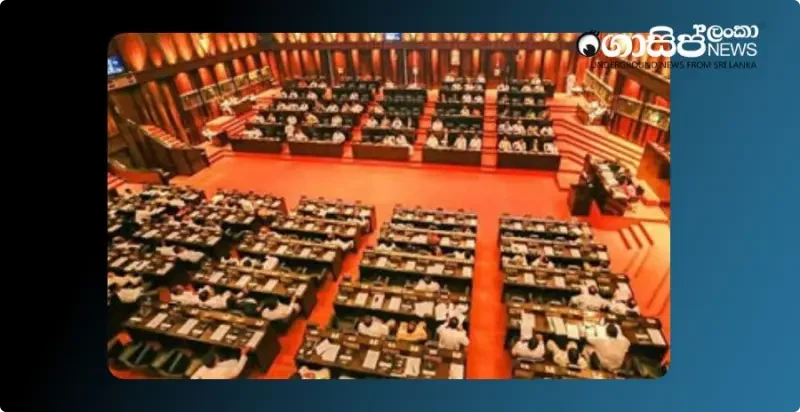
In the face of the escalating crisis in the Middle East region and the additional costs incurred due to the El Niño weather phenomenon, the government has decided to shape next year's budget entirely around welfare. A senior government official stated that President Anura Kumara Dissanayake, in his capacity as Minister of Finance, is scheduled to present this budget to Parliament on November 12.
This year's budget allocates massive provisions for public welfare, with the total welfare expenditure expected to exceed Rs. 1.2 trillion. Specifically, in addition to the Aswesuma scheme with provisions of approximately Rs. 240 billion, it also includes elderly and disability assistance, fertilizer subsidies, and Mahapola scholarships. Concurrently, special attention has been given to pensioners under the welfare sector. Accordingly, Rs. 500 billion has been allocated for total pension payments, including the seven hundred and twenty thousand new pensioners added since last year.
Meanwhile, the senior official revealed that the final phase of the three-tiered public service salary revision scheme, which commenced in 2025, is planned to be implemented through the 2027 budget. Under this final phase, public servants' salaries will increase by an overall percentage ranging from 24% to 50%. Accordingly, employees in the lowest grades will see an increase of Rs. 20,000, while those in higher grades will receive an increase of up to Rs. 80,000. The government is set to allocate Rs. 330 billion for this final phase.
Despite the expansion of welfare measures, the government has decided to maintain existing restrictions in certain areas. The decision to suspend the issuance of duty-free vehicle permits for public servants will continue unchanged next year. Furthermore, while a massive revenue of Rs. 800 billion is expected from vehicle imports next year, the official clarified that certain restrictions on vehicle imports will remain in place.
However, considering the uncertainties in the global market, there is a possibility that fuel subsidies will continue next year. This year, Rs. 150 billion has been spent on this, and a similar or greater amount is expected for it next year.
To cover these massive expenses, steps are being taken to increase the targets of the government's main revenue-generating institutions. The official stated that since the Department of Inland Revenue and the Department of Customs have already shown performance above the expected level and have further potential for revenue growth, efforts are being made to increase their revenue targets. After all these budget allocations, the Treasury will have a capital of Rs. 1 million remaining, and these tax monies collected from the public are to be utilized for implementing development projects in the country, including roads and expressways.