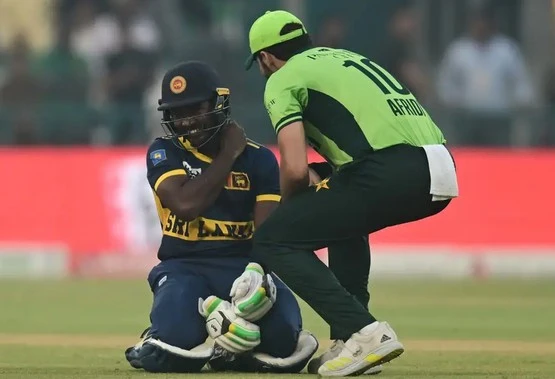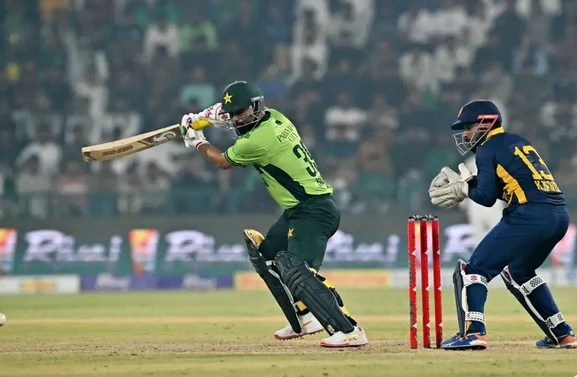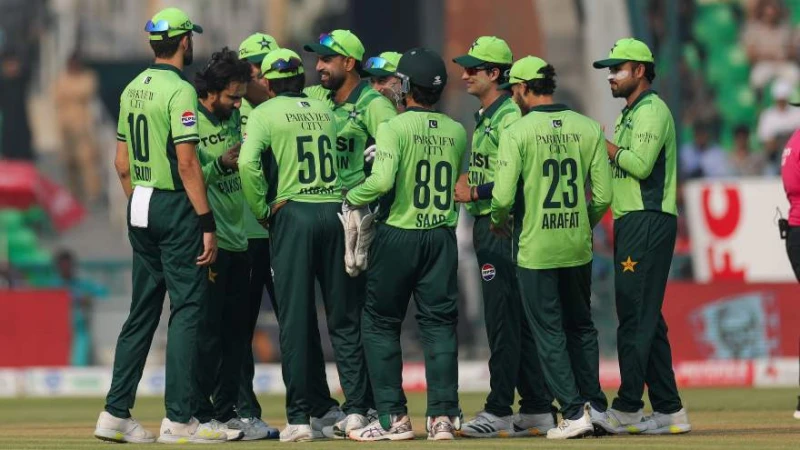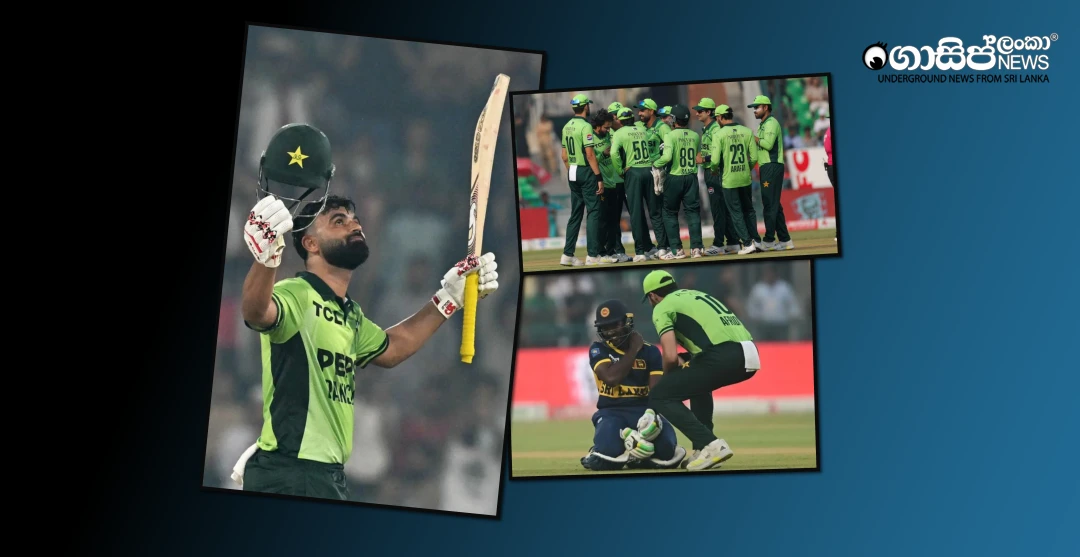
With Shaheen Shah Afridi's massive six soaring into the night sky at Gaddafi Stadium in Lahore, the Pakistan team successfully set a new record for the highest run chase in an ODI final in cricket history on their home soil. This was achieved by defeating the Sri Lankan team, who were strengthened by Kamindu Mendis's maiden ODI century, by 3 wickets.
The final match of the tri-nation ODI cricket series, held from October 18th to 31st as a rehearsal for the 2027 World Cup, commenced on October 31st with the Pakistan captain, who won the toss, deciding to let the Sri Lankan team bat first. In this day/night match, supervised by match referee Jeff Crowe and umpires Ahsan Raza, Wayne Knights, and Sharfuddoula, the Sri Lankan players, batting first, managed to set a formidable target of 325 runs for the loss of 8 wickets at the end of their allotted 50 overs.
Kamindu Mendis, who became the standout batsman of the Sri Lankan innings, scored 131 runs off 128 balls, marking his maiden ODI century. His innings was adorned with 12 fours and 2 sixes. Pavan Rathnayake provided excellent support, scoring a quickfire 77 runs off 65 balls, while Avishka Fernando contributed 38 runs. For Pakistan, Shaheen Shah Afridi took 2 wickets for 50 runs, and Salman Ali Agha claimed 2 wickets for 44 runs.
Pakistan, who entered the field to chase a winning target of 326 runs, were not allowed a successful start by Dilshan Madushanka. Maaz Sadaqat was dismissed for 5 runs and Babar Azam for a duck against Madushanka's bowling, leaving Pakistan's scoreboard at 14 runs for 2 wickets.
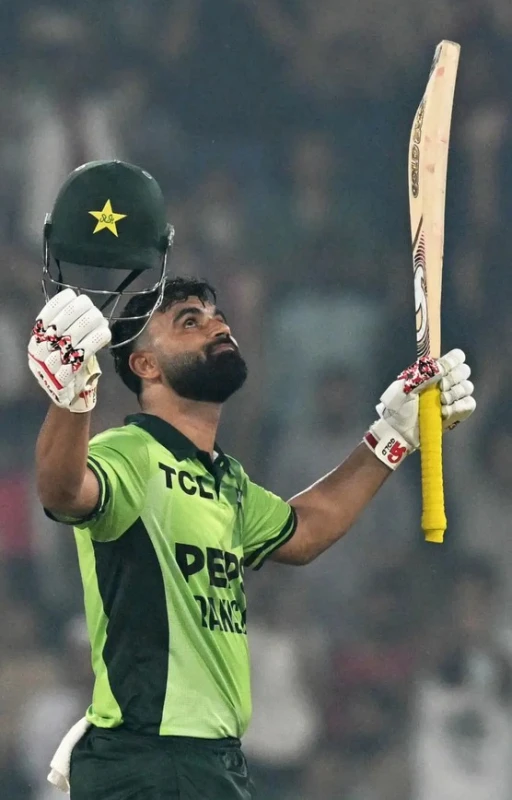
However, Fakhar Zaman took on the responsibility of rescuing the faltering Pakistani innings and played a magnificent knock. His 127 runs off 99 balls, including 11 fours and 6 sixes, was recorded as his 12th century in his ODI cricket career, and it also ended his three-year century drought. Zaman, who had previously scored a century against India in the 2017 Champions Trophy final, this time built a valuable 149-run partnership with Saad Baig. Baig scored 74 runs off 75 balls.
Although Dilshan Madushanka managed to dismiss Fakhar Zaman and other top-order batsmen, the Pakistani lower-order batsmen accelerated their journey towards victory. Arafat Minhas scored a quickfire 61 runs off 31 balls, and Hasan Nawaz remained unbeaten with 36 runs, taking control of the match for Pakistan. Ultimately, Pakistan secured the match and the series championship by scoring 331 runs for 7 wickets, either equaling or surpassing the record set by India against England at Lord's in 2002, where India scored 326 runs for 8 wickets.
Throughout this tri-nation series, which also included England, all three teams faced various challenges. In the preliminary round, Sri Lanka managed to restrict Pakistan to 110 runs with Dilshan Madushanka's performance of 5 wickets for 34 runs, securing an 8-wicket victory, which was Pakistan's second-lowest ODI score recorded on home soil. Furthermore, despite Harry Brook's innings of 202 runs, Sri Lankan players, aided by Pavan Rathnayake's innings of 130 runs, also managed to successfully chase down a massive target of 430 runs against England.
On the other hand, Pakistan had defeated Sri Lanka by 37 runs in Rawalpindi during the preliminary round, England by 87 runs, and in another match, won by one wicket with Shadab Khan's unbeaten 113 runs. England, bolstered by Ben Duckett's 167 runs, secured a 55-run victory against Sri Lanka in a match of no significance, but only won 1 out of 4 matches, limiting them to 2 points. Sri Lanka, with 2 wins and 4 points, and Pakistan, with 3 wins and 6 points, qualified for the final, and ultimately, Pakistan managed to lift the tri-nation trophy with a magnificent record.