
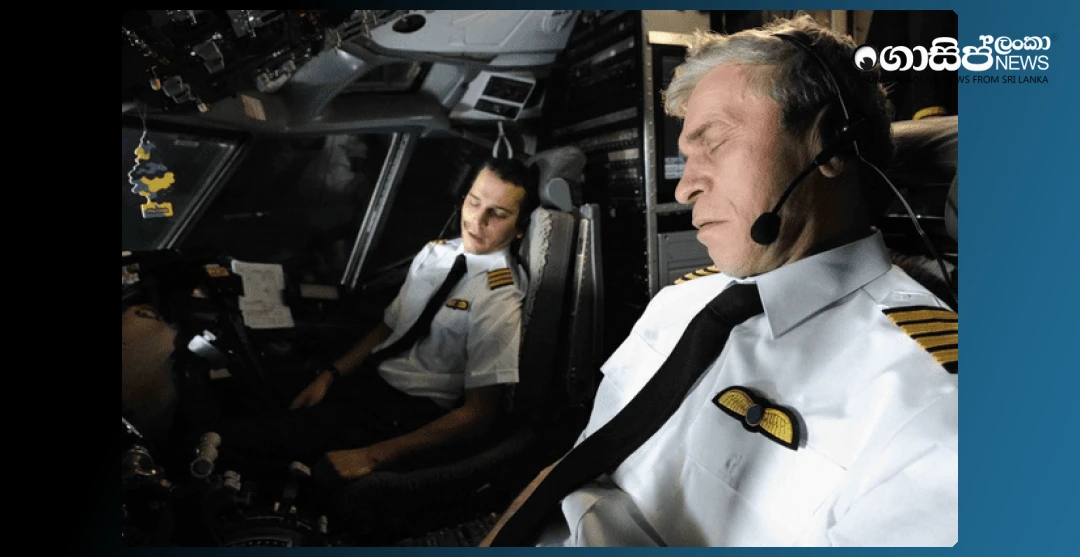
A recent study has revealed that three out of four pilots working for European airlines have fallen asleep in the cockpit. The survey, which involved over 7,000 captains and first officers across Europe, found that they are suffering from a lack of adequate rest and pressure from extended working hours.
The research results indicate that pilots fear being penalized for fatigue, and this situation could pose a significant threat to aviation safety. Twenty-four pilots have agreed to continue working despite being unfit for flights due to fatigue, avoiding reporting it, while 16.8 have stated that they would instead request sick leave.
According to the National Sleep Foundation in the United States, microsleep is involuntarily falling asleep for a few seconds, which can happen even without one realizing it. It is stated that although people may appear awake during such episodes, the brain's inability to process information can slow down reactions to emergencies during a flight.
The survey conducted by the European Cockpit Association in August further revealed that pilots working for Ireland and Malta-based airlines reported the highest number of microsleep incidents. Although one in three pilots stated they do not get enough sleep, only one-third reported being too fatigued to fly, and half of them have flown while fatigued in the past three months.
Nearly half of the pilots expressed fear that the reporting system is unreliable, and only 15.6% of captains or first officers at budget airlines believe their companies properly manage fatigue risks. Licensed pilots are not permitted to fly aircraft when suffering from fatigue and are legally obligated to report it to their airline.
The European Cockpit Association points out that years of cost-cutting have led to severe staff shortages and unrealistic schedules. They further stated that pilots are directly or indirectly asked to go the extra mile, but that extra effort, instead of ensuring alertness, decision-making, and safety, turns into a risk.