![Gossip Lanka News [English]](https://blogger.googleusercontent.com/img/a/AVvXsEhYm2aFFq-bIW1nWX-RrqnPFoIsVos6_VCVz8BpLt0QJi55GNXHXC2fugeRvL0qUStEuCfs7Sfu6ZiSlhrkldxfGuE_wzy5gitY6rMZ2KSi8VBbGvkgXLks37RwZV-4-HKbWiNLRxB8C_r1e4z3mpxFTMPDJPEADoG8E-bZteWFipeD5KNGbjvCfqEfKw=s300 "Gossip Lanka News [English]")
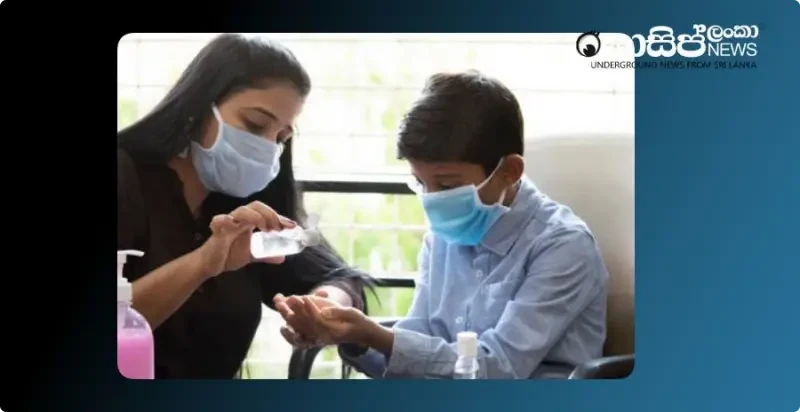
A rapid increase in influenza patients is observed across Sri Lanka these days, with health authorities noting a situation where the illness starts with one person and affects the entire family. Parents are strongly urged to seek immediate medical advice without delay if symptoms become severe, especially in young children, rather than staying at home.
According to Dr. Mahesha Wijewardena, Consultant Paediatrician at Marawila Base Hospital, influenza primarily peaks in Sri Lanka from April to June and from November to January. This virus spreads very rapidly through places where children gather, such as schools, preschools, and daycare centers, and currently, a large number of children from entire families are being reported as victims of the disease.
Commonly known as 'Flu,' this condition is caused by Influenza A and B viruses. It is transmitted to another person through respiratory droplets expelled when an infected person coughs, sneezes, or talks. Symptoms such as high fever, runny nose, cough, sore throat, headache, body aches, and extreme fatigue can suddenly appear within one to four days after exposure to the virus. Additionally, children are at risk of experiencing loss of appetite, vomiting, or diarrhea.
Although most children recover completely within a week, young children under two years of age, children with weakened immune systems, and children suffering from chronic diseases are at severe risk. The doctor points out that this virus can sometimes develop into complications such as pneumonia, and very rarely, it can even cause serious infections affecting the brain or heart.
Dr. Wijewardena warns that parents should not conclude that every child with fever and cough has influenza, as other serious diseases like COVID-19, Dengue, and Chikungunya can also present similar initial symptoms. Especially in Dengue fever, the period when the fever subsides can lead the child's condition to an extremely critical state. Therefore, it is crucial not to assume the child has recovered merely because the fever has gone down, but to pay close attention to the child's overall physical activity. If there is severe abdominal pain, persistent vomiting, bleeding, excessive drowsiness, cold hands and feet, or respiratory difficulties, medical treatment should be sought immediately.
Even in cases of influenza, if a child develops symptoms such as difficulty breathing, chest indrawing, lethargy, convulsions, bluish lips, persistent vomiting, inability to drink fluids, and decreased urination, it is a condition that requires emergency medical treatment.
For healthy children with mild illness, providing adequate rest at home, giving fluids, and nutritious food is sufficient. While paracetamol can be given for fever according to the child's weight, 'Aspirin' should never be given to children with flu symptoms. Since this is a viral infection, antibiotics cannot cure the disease. However, for children in severe condition or those with a higher risk of complications, antiviral medications like 'oseltamivir' are administered under medical advice.
To control the further spread of the disease, parents should ensure that children with fever or respiratory symptoms are kept at home and not sent to school until they have fully recovered. Frequent hand washing, covering the mouth and nose when coughing and sneezing, ensuring good ventilation, staying away from sick individuals, and not sharing water bottles or personal items are extremely important. Furthermore, the annual influenza vaccine is available through the private healthcare sector in Sri Lanka, and since it can reduce the risk of illness and complications, it is advisable to seek medical advice regarding it, according to doctors' recommendations.