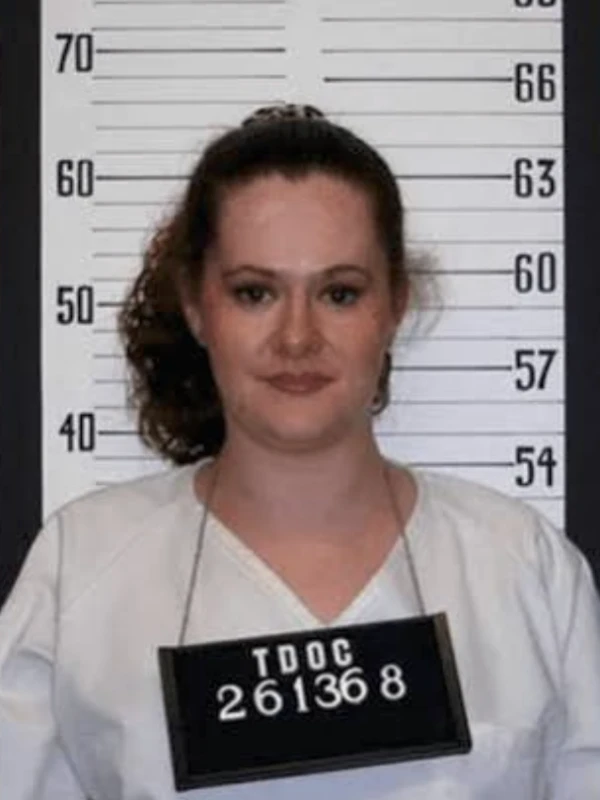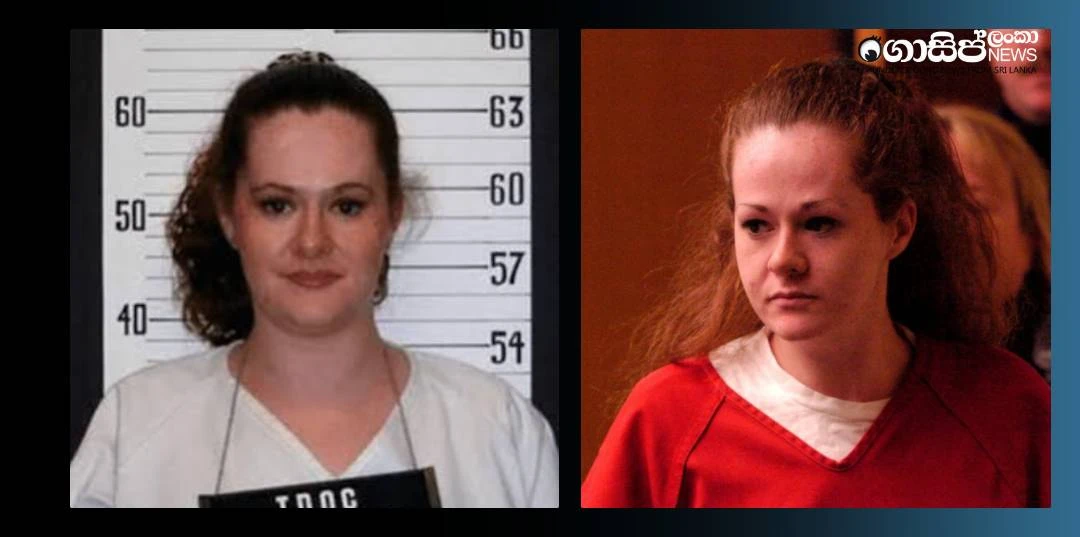
An extremely unusual incident has been reported in Tennessee, USA, where a death row inmate regained consciousness on a hospital bed approximately a week after a botched execution involving the administration of lethal drugs. It is currently speculated that the drug may have been administered incorrectly into her body due to prison authorities being unable to properly locate her veins.
The inmate who faced this failed execution is named Christa Pike. She was sentenced to death for the murder of 19-year-old Colleen Slemmer in 1995, when Pike was 18 years old, a crime she committed with her boyfriend.
The Associated Press (AP) reported on October 22 that her execution was scheduled for September 30. According to Pike's lawyer, Randy Spivey, it took prison authorities about an hour to locate veins in both her arms and connect two intravenous drug lines.
Although authorities had planned to administer the lethal drug 'Pentobarbital,' they failed to properly locate a vein in Pike's left arm. It also took them about six minutes to find a vein in her right arm. During this process, officers pricked her arms in various places more than ten times. It was also reported that on one occasion, a needle that was inserted and then withdrawn was severely bent.
According to a source from the Department of Corrections, it was suspected that her blood vessels might have burst during the examination of her left arm, and doubts arose among authorities regarding whether the drug line was correctly connected.
Nevertheless, after deciding that the vein in her left arm was connected, they began the execution. As the drug entered her body, Pike complained in pain, saying, "My arm feels like it's exploding. It's burning."
However, despite being given two doses of the lethal drug, she did not die. She was eventually admitted to a hospital and regained consciousness about a week later.
Following this incident, Tennessee state authorities are currently in intense discussions about the next steps to take regarding Pike. According to state laws, if an inmate does not die from the first dose of the drug, a second dose must be administered. However, these laws make no mention of the procedure to follow if an inmate remains alive even after the second dose.