![Gossip Lanka News [English]](https://blogger.googleusercontent.com/img/a/AVvXsEhYm2aFFq-bIW1nWX-RrqnPFoIsVos6_VCVz8BpLt0QJi55GNXHXC2fugeRvL0qUStEuCfs7Sfu6ZiSlhrkldxfGuE_wzy5gitY6rMZ2KSi8VBbGvkgXLks37RwZV-4-HKbWiNLRxB8C_r1e4z3mpxFTMPDJPEADoG8E-bZteWFipeD5KNGbjvCfqEfKw=s300 "Gossip Lanka News [English]")
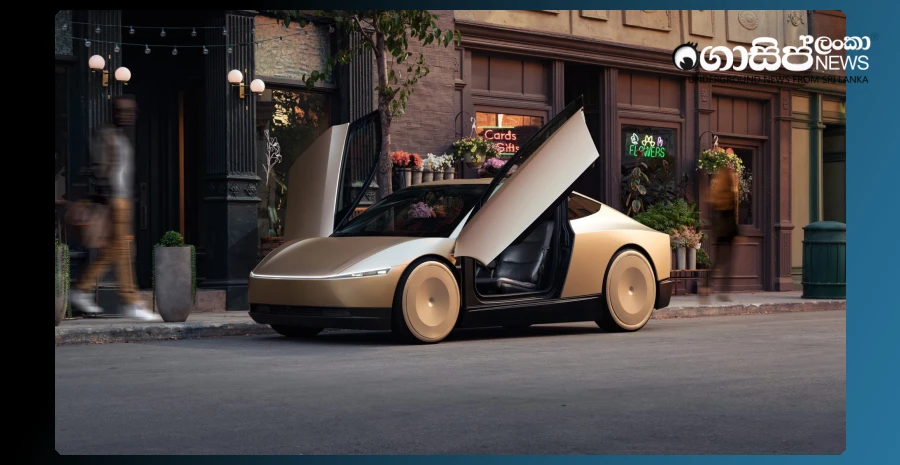
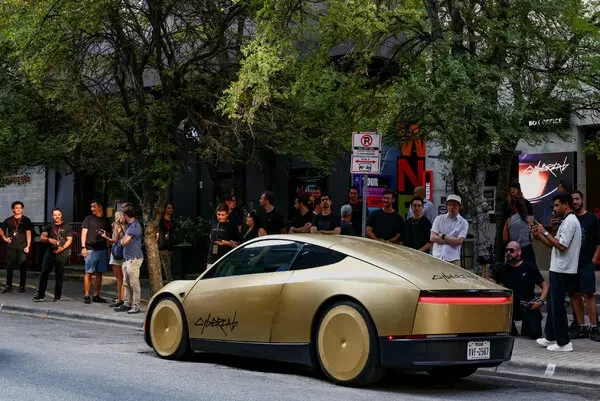
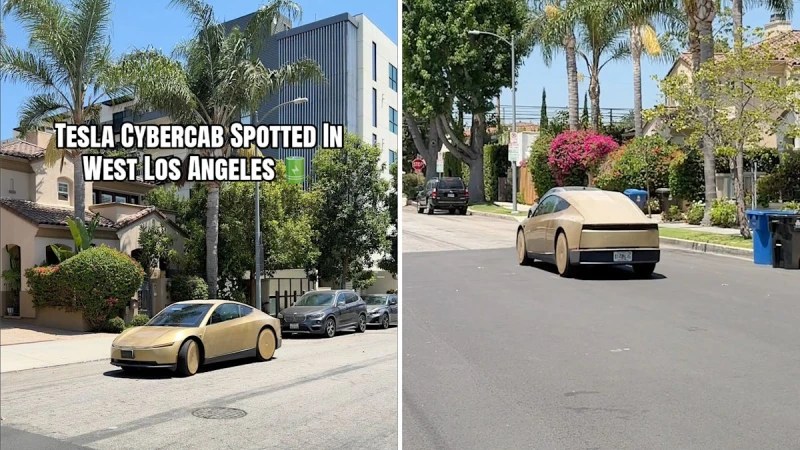
A wide-ranging investigation has now begun into the 'Cybercab' robot taxi vehicles introduced by Tesla, which lack a steering wheel. This electric robot taxi service was launched on September 3rd in selected areas of Austin, Texas, USA.
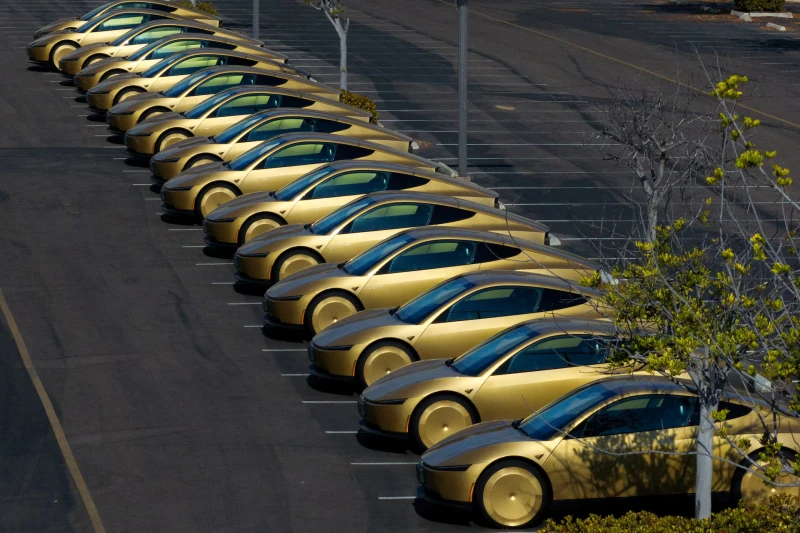
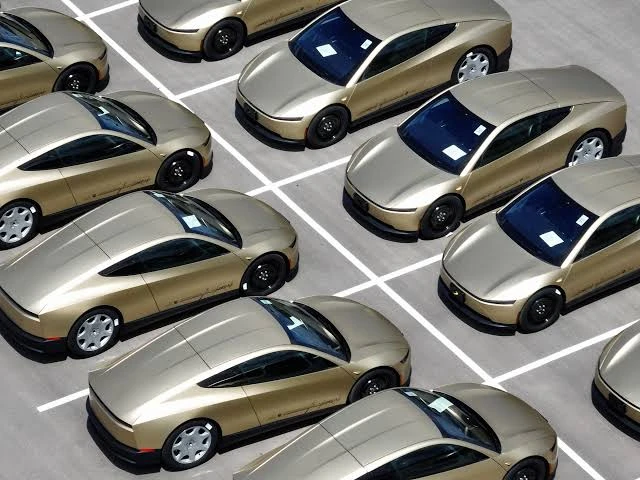
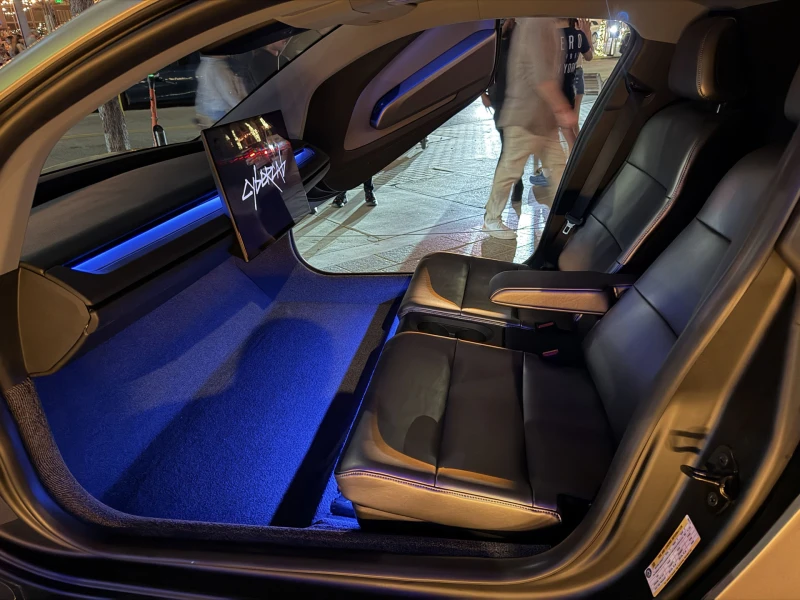
Although this vehicle, with its golden exterior finish and attractive Cybercab branding, has managed to capture the attention of passengers, the absence of a steering wheel or pedals inside has raised serious safety concerns regarding passengers' ability to act in an emergency.The Cybercab, which can accommodate two people, features upward-opening doors and an elegant cyberpunk finish, distinct from the vehicles of its rival, Waymo. Tesla CEO Elon Musk calls this a true golden age in transportation. He states that the absence of brake pedals in these vehicles, designed for maximum efficiency and autonomous operation, reduces the complexity of the hydraulic system. It is said to be like a comfortable lounge with a TV and an excellent sound system, and in the future, passengers will be able to watch 4K quality videos via Starlink internet connectivity. Additionally, a camera is installed to monitor the interior of the vehicle. Promotional videos have shown that passengers can sleep, watch movies, play games, or participate in video conferences while traveling in this vehicle. Passengers' climate and media settings are saved in their profile and automatically applied for subsequent journeys.
Children under 13 years of age are prohibited from traveling in this vehicle. In a non-emergency, the journey can be stopped using a button on the touchscreen or the 'STOP' button located above. In an emergency, passengers can pull a special lever on the door to exit the vehicle. Instead of sudden braking, the system is designed to pull the vehicle to the side of the road and stop, taking into account the surrounding environment. Furthermore, passengers can contact Tesla representatives through the vehicle's communication system.
The National Highway Traffic Safety Administration (NHTSA) in the United States has launched an investigation into the safety of these vehicles. This will examine whether Tesla's new vehicle complies with Federal Motor Vehicle Safety Standards (FMVSS). Additionally, the agency is evaluating the Full Self-Driving (FSD) feature in over 3 million Tesla vehicles, which is said to have led to accidents due to camera performance weaknesses under adverse weather conditions. It has also been previously reported that these autonomous vehicles have interfered with ambulances and fire trucks during emergencies, and NHTSA has strongly stated that autonomous vehicles unable to safely interact with first responders pose a danger to the public. Nevertheless, Tesla has previously deployed its Model Y robotaxis in other cities in Florida and Texas.
Supporters of robotaxis say that these vehicles are a safer option for women and passengers with communication difficulties. Their argument is that they reduce accidents compared to human drivers, prevent accidents caused by drunk or fatigued drivers, and offer great convenience to passengers using wheelchairs or those with other health issues. However, there is still a risk regarding the safety of these vehicles when facing unexpected situations. Various videos and reports have been published on social media about incidents where passengers were frightened when the vehicle could not move forward due to people blocking the road, and minor accidents.