![Gossip Lanka News [English]](https://blogger.googleusercontent.com/img/a/AVvXsEhYm2aFFq-bIW1nWX-RrqnPFoIsVos6_VCVz8BpLt0QJi55GNXHXC2fugeRvL0qUStEuCfs7Sfu6ZiSlhrkldxfGuE_wzy5gitY6rMZ2KSi8VBbGvkgXLks37RwZV-4-HKbWiNLRxB8C_r1e4z3mpxFTMPDJPEADoG8E-bZteWFipeD5KNGbjvCfqEfKw=s300 "Gossip Lanka News [English]")
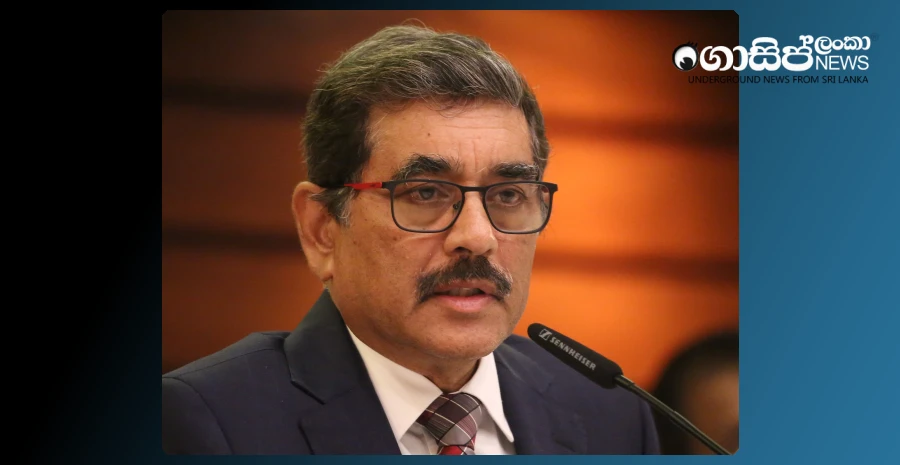
Dr. Nandalal Weerasinghe, Governor of the Central Bank of Sri Lanka, stated at a meeting with foreign ambassadors in Colombo that Sri Lanka has the full capability to settle all its foreign debt obligations without any hindrance within the next 10 years. He affirmed that the country would not face a debt default or another debt crisis similar to what it experienced before, pointing out that the successfully completed debt restructuring process was the main reason for this.
With the completion of the country's debt restructuring, the amount of foreign debt to be paid annually over the next decade is less than US$ 4 billion. The official reserves required to meet these debt obligations are strengthening, and the Central Bank's gross official reserves, currently at US$ 6.8 billion, are expected to grow to US$ 8 billion by the end of this year. In the coming years, these reserves are projected to increase to the US$ 10 billion mark, with tourism income, remittances from Sri Lankans abroad, and financial assistance from the International Monetary Fund, the World Bank, and the Asian Development Bank being major contributors.
The country is returning to the strong economic position it held before the crisis, with factors such as the successful recovery of both total production and per capita income to pre-crisis levels. Sri Lanka is projected to achieve an economic growth of between 4% and 5% this year for the second consecutive year, having recorded a 5% growth rate in the first quarter alone. Sri Lanka's ability to reach these economic targets despite uncertainties in global fuel prices due to the volatile situation in the Middle East and climate change has been praised internationally.
Although inflation temporarily rose to 7% due to increased fuel and transport costs, it is expected to fall back to a single-digit level of 5% by the first half of next year, thanks to the Central Bank's monetary policy measures. Furthermore, a current account surplus has been recorded in the second quarter of this year, paving the way for the country to end the year with a current account surplus for the third consecutive year. Government revenue, which stood at 8% of GDP during 2021-2023, has now doubled to 16%.
In addition, the country's primary account surplus exceeds the 2.3% target set by the International Monetary Fund. Based on maintaining a current account surplus for three consecutive years, increasing tourism revenue, and higher foreign remittances, Sri Lanka is currently in discussions with international rating agencies to upgrade its sovereign credit rating from the current 'CCC' level to the pre-crisis 'B' level.