![Gossip Lanka News [English]](https://blogger.googleusercontent.com/img/a/AVvXsEhYm2aFFq-bIW1nWX-RrqnPFoIsVos6_VCVz8BpLt0QJi55GNXHXC2fugeRvL0qUStEuCfs7Sfu6ZiSlhrkldxfGuE_wzy5gitY6rMZ2KSi8VBbGvkgXLks37RwZV-4-HKbWiNLRxB8C_r1e4z3mpxFTMPDJPEADoG8E-bZteWFipeD5KNGbjvCfqEfKw=s300 "Gossip Lanka News [English]")
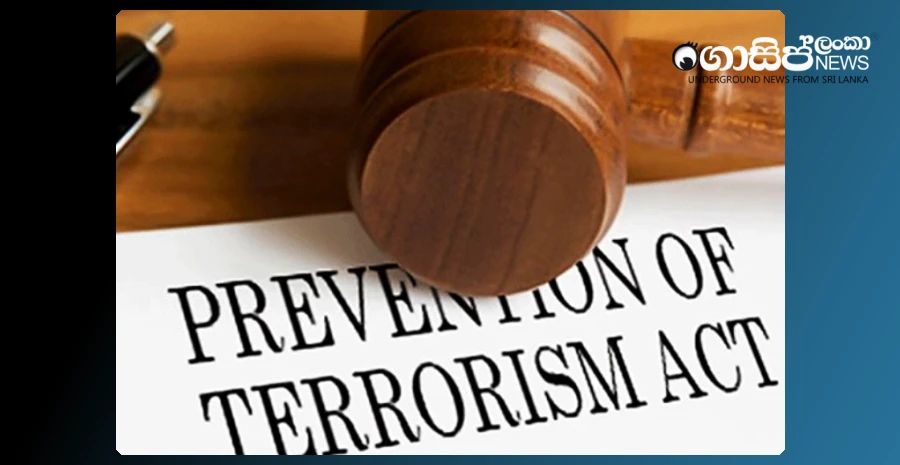
The government is taking steps to completely abolish the Prevention of Terrorism Act (PTA), which has been severely criticized in Sri Lanka for a long time, and to pass a new law in its place within two months. Foreign Minister Wijitha Herath has stated that this new bill, named the State Prevention of Terrorism Act (SPTA), has been drafted in accordance with international standards and the recommendations of civil society organizations.
This new bill, which has already been finalized, is first scheduled to be submitted for Cabinet approval, after which arrangements have been made to publish it in the Gazette and present it to Parliament. The Minister further stated that this entire process is planned to be completed and passed into law within the next two months.
Several proposals from the committee appointed to review and submit recommendations regarding the abolition of the Prevention of Terrorism Act have also been included in this new draft. The committee, chaired by President's Counsel Rensi Arsakularatne, has carried out this reform process in a more comprehensive and inclusive manner, gathering ideas and proposals from the public, civil society organizations, and international institutions.
This new draft law has currently been submitted to the relevant United Nations agencies as well as to Mr. Marc-André Franche, the UN Resident Coordinator in the country. However, the Foreign Minister points out that some clarity is still needed regarding what will happen to suspects currently held under the Prevention of Terrorism Act, and that this issue is also expected to be resolved expeditiously.
The abolition of the Prevention of Terrorism (Temporary Provisions) Act No. 48 of 1979 was a key election promise of the National People's Power (NPP) government, and several international organizations, including the United Nations, had continuously lobbied for it. Following the recent arrest of Tamil rapper Ganeshkumar Sangithan under this Act, Amnesty International also stated that the Act should be immediately repealed due to its vague and broadly misinterpreted provisions leading to human rights violations.