![Gossip Lanka News [English]](https://blogger.googleusercontent.com/img/a/AVvXsEhYm2aFFq-bIW1nWX-RrqnPFoIsVos6_VCVz8BpLt0QJi55GNXHXC2fugeRvL0qUStEuCfs7Sfu6ZiSlhrkldxfGuE_wzy5gitY6rMZ2KSi8VBbGvkgXLks37RwZV-4-HKbWiNLRxB8C_r1e4z3mpxFTMPDJPEADoG8E-bZteWFipeD5KNGbjvCfqEfKw=s300 "Gossip Lanka News [English]")
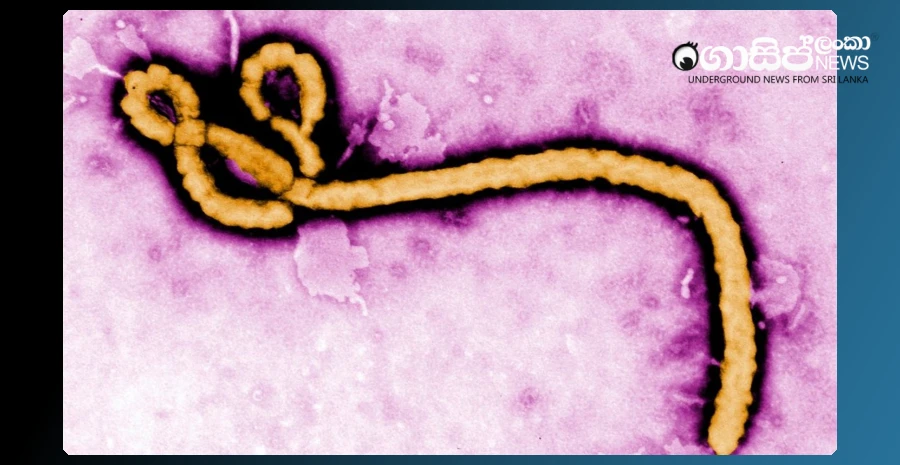
On May 17, 2026, the World Health Organization declared the ongoing Ebola epidemic in the Democratic Republic of Congo and Uganda a Public Health Emergency of International Concern. Although this has not escalated into a global pandemic like COVID-19, it officially emphasizes the need for a globally coordinated rapid response to address it.
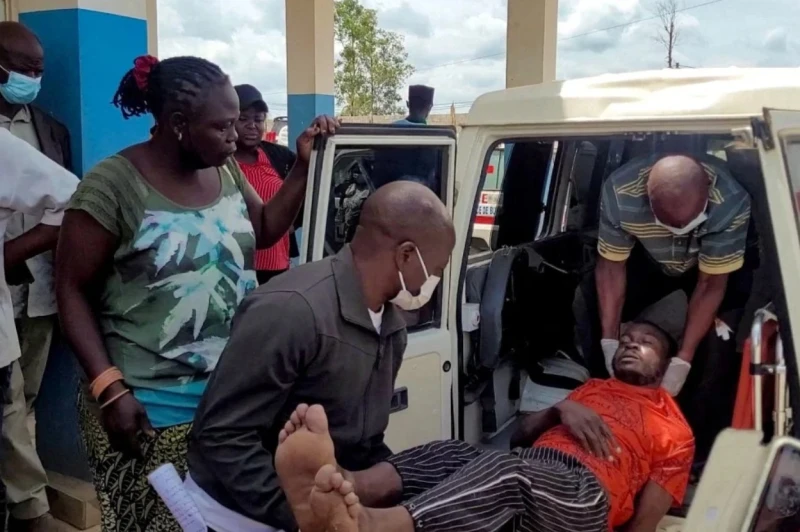
Focusing on the potential risk to neighboring countries, WHO Director-General Tedros Adhanom Ghebreyesus advised taking steps to control the situation without closing international borders.By mid-May, over 300 suspected cases of the virus had been reported, with the majority from Congo and about two imported cases identified in Uganda. Currently, between 80 and 88 deaths have been reported, and it is a matter of grave concern that most of these patients died within the community before receiving medical treatment. The strain spreading this time is Bundibugyo, a rare variant among Ebola virus strains, and unlike the common Zaire strain, there is no approved vaccine or specific treatment for it yet. The mortality rate for this virus typically ranges between 25% and 40%.
This epidemic is primarily centered in Congo's northeastern Ituri province, a difficult region frequented by cross-border migrant miners. Due to ongoing armed conflicts and displaced populations in the area, health services have been severely disrupted, and it is suspected that patients have already traveled to Kampala, the capital of Uganda, and Kinshasa, the capital of Congo. Given that symptoms of this virus, which spreads through an infected person's bodily fluids, take 2 to 21 days to appear, and the lack of proper health surveillance in difficult-to-reach areas, there is a high risk of the disease spreading further undetected.
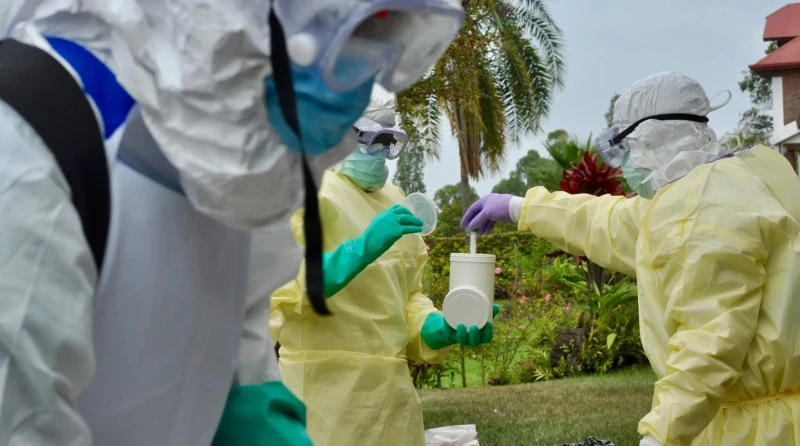
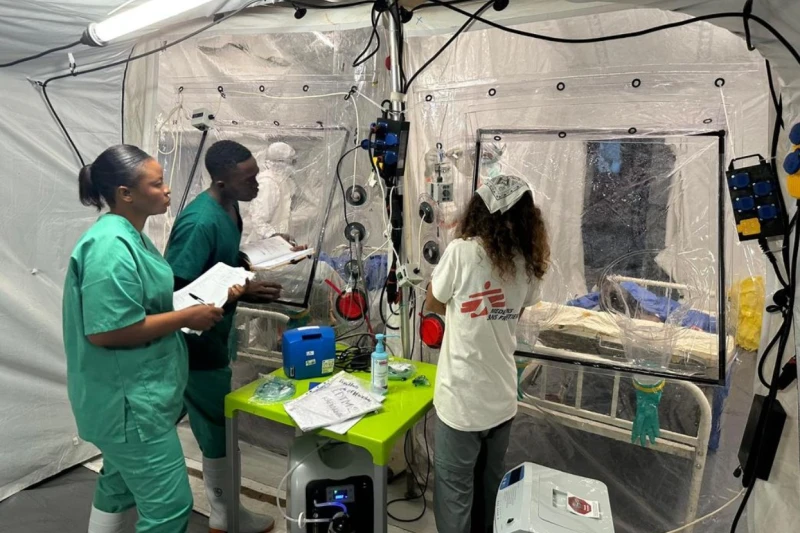
The World Health Organization and the Africa Centres for Disease Control and Prevention (Africa CDC) are jointly taking urgent steps to control the situation, providing over $500,000 in emergency funds, as well as medical experts, personal protective equipment (PPE), and laboratory facilities. Congo and Uganda, which have successfully managed Ebola outbreaks on 17 previous occasions, have now intensified patient screening and quarantine efforts at borders and hospitals. Neighboring countries like South Sudan face a high risk, and authorities emphasize that strict adherence to health practices such as isolating patients, tracing contacts, and safely burying deceased bodies is essential to protect against the deadly virus.