![Gossip Lanka News [English]](https://blogger.googleusercontent.com/img/a/AVvXsEhYm2aFFq-bIW1nWX-RrqnPFoIsVos6_VCVz8BpLt0QJi55GNXHXC2fugeRvL0qUStEuCfs7Sfu6ZiSlhrkldxfGuE_wzy5gitY6rMZ2KSi8VBbGvkgXLks37RwZV-4-HKbWiNLRxB8C_r1e4z3mpxFTMPDJPEADoG8E-bZteWFipeD5KNGbjvCfqEfKw=s300 "Gossip Lanka News [English]")
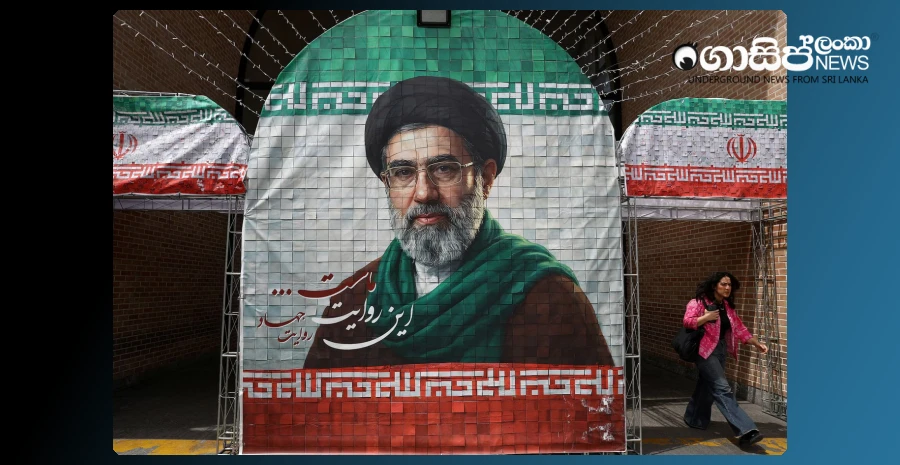
Further intensifying the peace talks held with American mediation, aimed at ending the unstable ceasefire that emerged after the 2026 Iran War, it is reported that the country's new Supreme Leader, Ayatollah Mojtaba Khamenei, has instructed that Iran's uranium reserves, which are close to nuclear weapons-grade, must be kept within the country. Reuters revealed this on May 21, 2026, citing two senior Iranian sources.
Mojtaba Hosseini Khamenei, born in 1969, is the second eldest son of Iran's former Supreme Leader, Ali Khamenei. He was appointed to the position after his father was assassinated in an American and Israeli airstrike during the early stages of the war on February 28, 2026. Under this appointment, which critics refer to as a dynastic transfer of power, the Iranian Assembly of Experts elected him as the new Supreme Leader on March 8, 2026. Previously not appearing in public, he wielded power from behind the scenes, maintaining close ties with the Islamic Revolutionary Guard Corps (IRGC), and it is reported that he was also injured in the attack that killed his father. As the current Supreme Leader, he holds the ultimate decision-making authority on major state affairs, including the country's nuclear program.
This new decision reflects the agreement among Iranian authorities that uranium reserves should be kept within the country, as sending them abroad could increase the risk of future American or Israeli attacks. US President Donald Trump and Israel emphasize that the removal or destruction of these uranium reserves is an essential condition for any final peace agreement. Israeli Prime Minister Benjamin Netanyahu has stated that the war will not end until uranium reserves are removed and missile attacks cease. However, Iranian officials prioritize a permanent end to hostilities and obtaining security guarantees before resolving the nuclear crisis. Although Iran claims its nuclear program is solely for peaceful and medical purposes, critics point out that their 60% enriched uranium is very close to the 90% level required for nuclear weapons production.
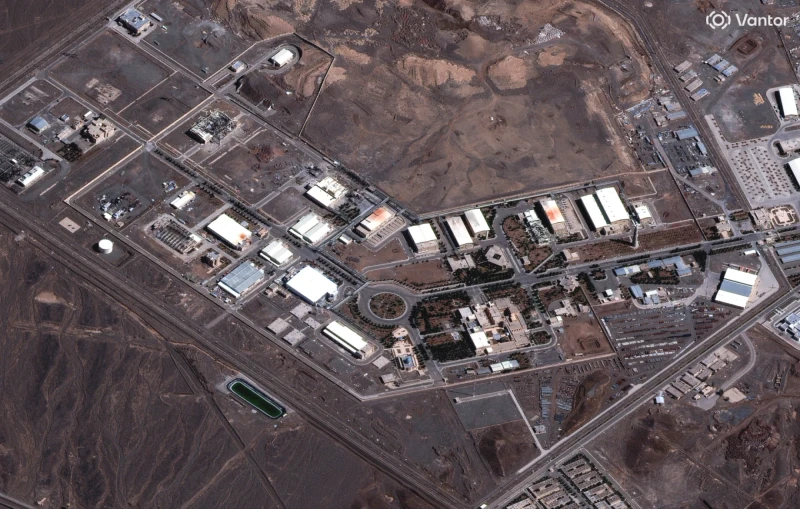
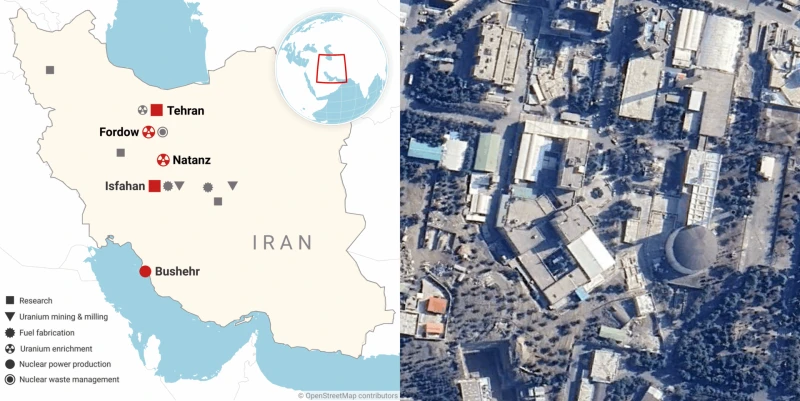
According to data from the International Atomic Energy Agency (IAEA), by mid-2025, before the war, Iran possessed approximately 440.9 kg of uranium enriched up to 60%, much of which is believed to be stored in major underground facilities such as Isfahan, Natanz, and Fordow. However, both the White House and some senior Iranian officials have dismissed the Reuters report as a propaganda tactic, stating that no such new order has been issued and that discussions are still ongoing. Amidst this unstable ceasefire, facilitated by countries such as Pakistan, Qatar, Saudi Arabia, Turkey, and Egypt, several issues have been discussed, including Iran's missile program and the US blockade of the Strait of Hormuz and ports. Meanwhile, President Trump has warned of renewed attacks if a swift agreement cannot be reached, and this situation has led to a sharp rise in global oil prices.